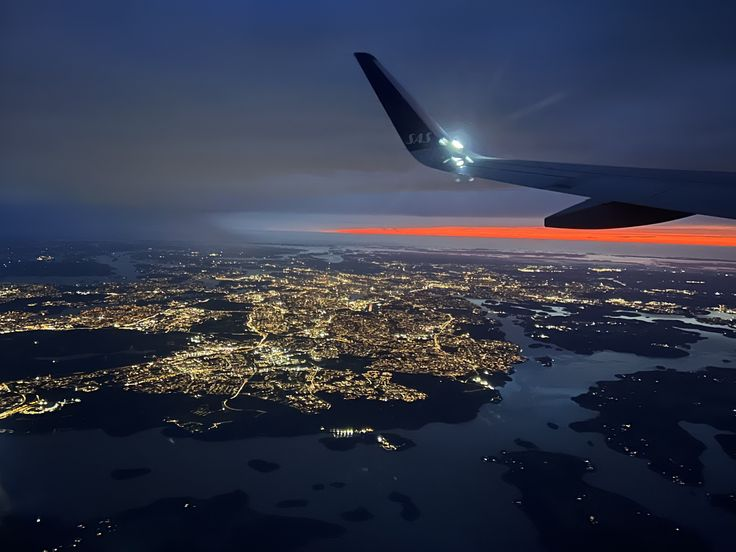
The modern travel experience is becoming increasingly shaped by emotion, presentation, and lifestyle aspiration.
The Shift From Tourism to Lifestyle Travel
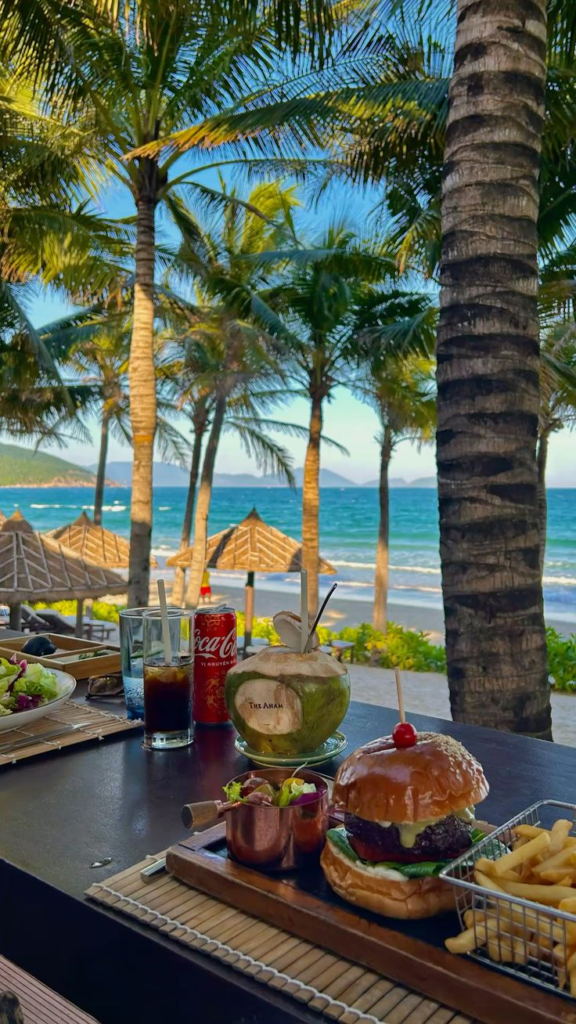
Travel culture has become noticeably more personal over the last decade. Where travel once centred primarily around destinations and itineraries, modern consumers increasingly approach it through emotion, atmosphere, and identity. Hotels, cafés, airport routines, luggage aesthetics, travel wardrobes, and curated experiences now contribute just as strongly to the appeal of travelling itself. The journey is no longer viewed separately from personal style. Instead, travel has become part of broader lifestyle expression.This shift is especially visible across European lifestyle culture, where slower, more intentional travel continues gaining relevance. Consumers are increasingly drawn toward experiences that feel immersive rather than rushed. Coastal train journeys, city weekends, countryside escapes, and destination-focused dressing all reflect a growing preference for travel that feels emotionally textured and visually memorable.
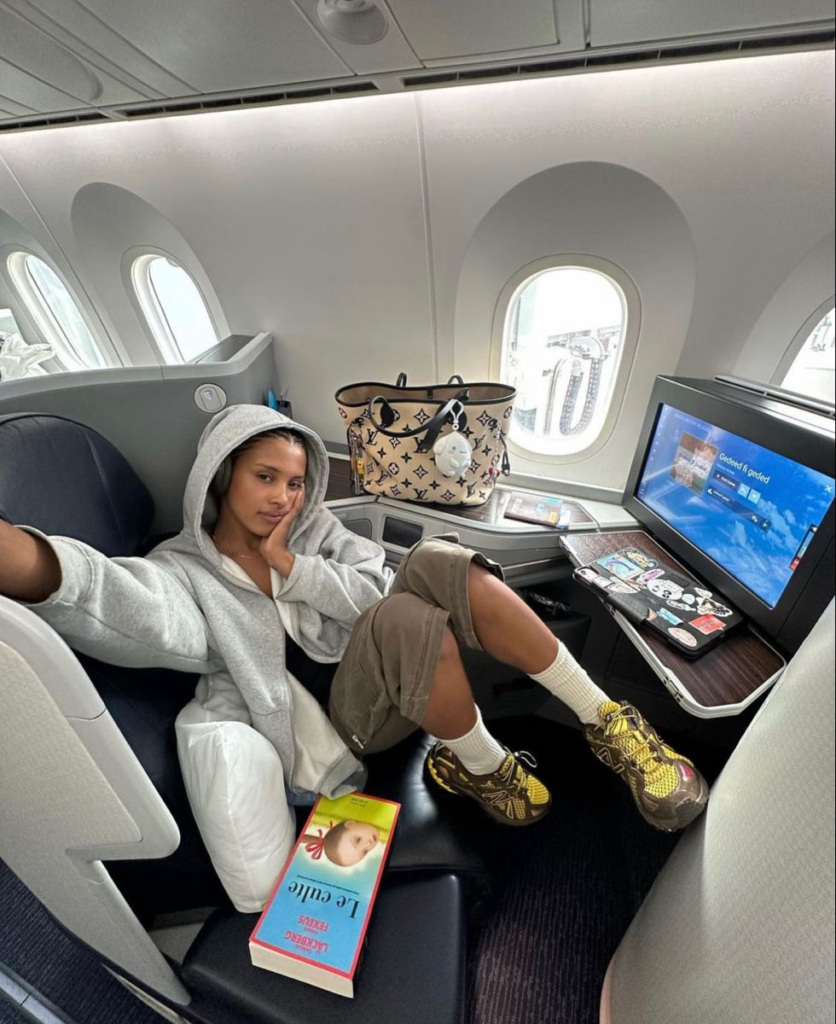
Fashion naturally plays a central role within this evolution. Travel wardrobes today are carefully considered extensions of identity rather than purely practical necessities. Relaxed tailoring, oversized outerwear, elevated basics, coordinated luggage, knitwear, monochrome layering, and versatile footwear all contribute to the visual language surrounding modern travel culture. Consumers increasingly want clothing that feels refined while remaining adaptable across airports, cafés, hotels, and city environments.
The Rise of Atmosphere-Led Travel Culture
Social media accelerated this transformation by turning travel into visual storytelling. Airport cafés, window-seat photography, neutral-toned travel outfits, seaside hotels, and curated itineraries increasingly shape the way consumers imagine travel experiences online. The aesthetic atmosphere surrounding travel often becomes just as influential as the destination itself.
This does not necessarily reflect superficiality. Instead, it reveals how strongly consumers now associate travel with emotional experience and self-expression. Modern travellers increasingly seek environments that feel calming, aspirational, and culturally immersive. Fashion supports that desire by helping consumers create continuity between lifestyle identity and movement itself.
The popularity of travel-inspired dressing reflects this wider mindset. Soft tailoring, comfortable luxury, elevated loungewear, premium basics, and resort-influenced styling all align with contemporary consumers who prioritise ease alongside sophistication. The modern travel wardrobe is designed less around rigid formality and more around fluidity, comfort, and understated refinement.

How Condor Airlines Aligns With Contemporary Travel Culture
Airlines like Condor Airlines naturally fit within this evolving travel landscape because modern consumers increasingly evaluate travel experiences holistically rather than transactionally. Comfort, atmosphere, accessibility, and overall experience now contribute significantly to how travellers perceive journeys themselves.
Condor’s strong association with leisure travel, European destinations, and holiday-oriented experiences aligns closely with the growing demand for travel that feels emotionally restorative rather than purely functional. As consumers increasingly romanticise intentional escapes and lifestyle-oriented travel, airlines connected to comfort and accessibility become part of that broader narrative.
The brand also reflects the wider cultural shift toward travel as lifestyle identity. Increasingly, travellers are not only choosing destinations. They are choosing experiences that align with how they want to live, dress, and feel while moving through different environments.
Why Travel and Fashion Continue to Intersect
Travel and fashion have always shared a close relationship, but today that connection feels more integrated than ever. Consumers increasingly view movement itself as part of modern lifestyle identity. Clothing designed for comfort, versatility, and atmosphere naturally becomes central within that experience.
This is precisely why travel culture continues influencing contemporary fashion so strongly. Both revolve around aspiration, emotion, and presentation. And increasingly, the modern consumer is searching for experiences that feel visually cohesive, personally expressive, and emotionally memorable from departure to destination.