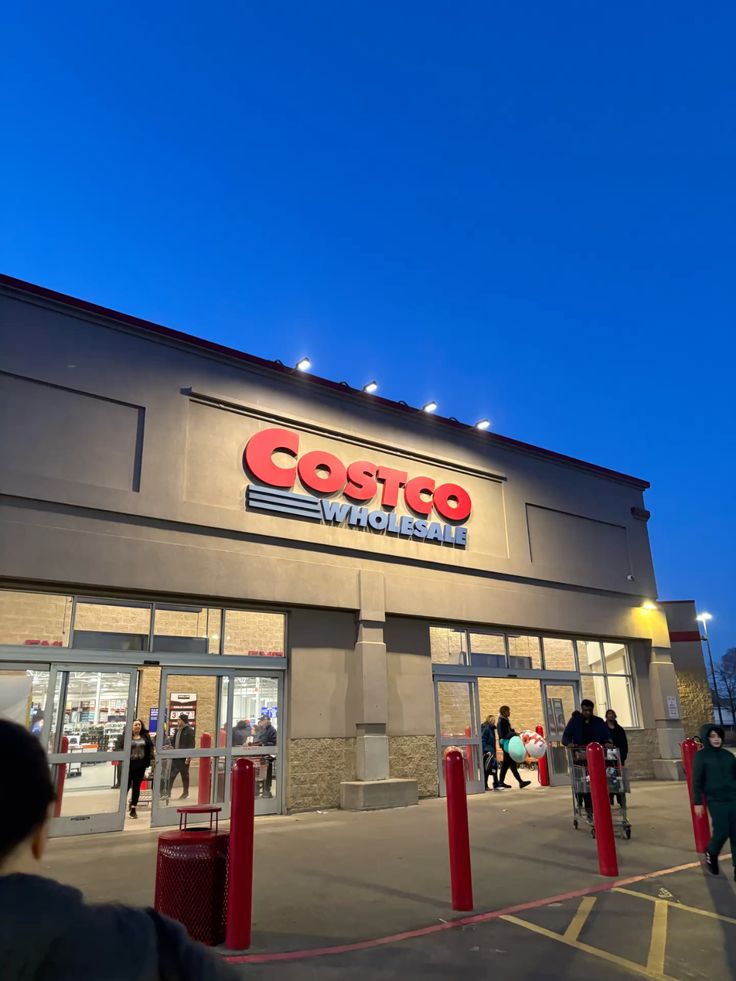
Organisation and cohesion are becoming central to contemporary ideas of comfort and lifestyle sophistication.
The Rise of Intentional Living Culture
Consumer culture is becoming noticeably more organised. Across fashion, interiors, wellness, and everyday shopping habits, people are moving away from excessive accumulation and toward lifestyles that feel more cohesive, structured, and intentional. Capsule wardrobes, minimalist beauty routines, curated homes, and organised kitchens all reflect the same broader shift: consumers increasingly value consistency over chaos.
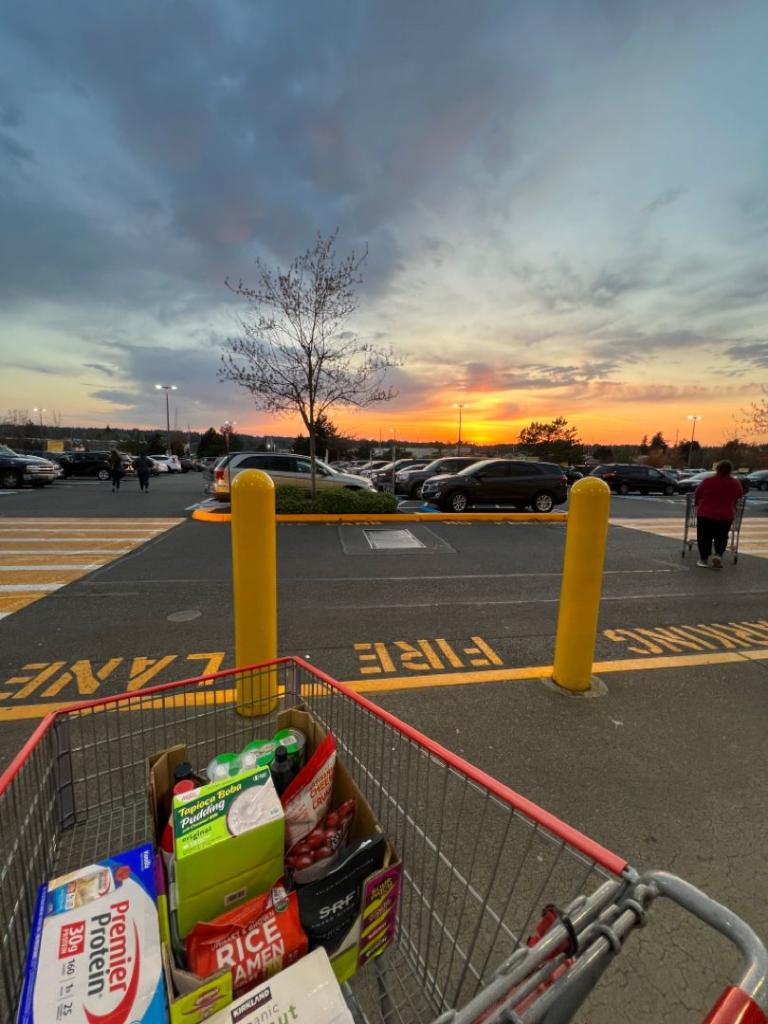
This movement is not purely aesthetic. It reflects changing attitudes toward comfort, control, and long-term value. In an environment shaped by constant digital stimulation and rapid trend turnover, organisation itself has become emotionally aspirational. Consumers are gravitating toward systems and routines that simplify decision-making while creating a stronger sense of stability within everyday life.Much like capsule wardrobes reduce visual clutter within fashion, organised kitchens and intentional grocery shopping create structure within domestic routine. The appeal lies not only in presentation, but in the psychological comfort of preparedness and cohesion.
Much like capsule wardrobes reduce visual clutter within fashion, organised kitchens and intentional grocery shopping create structure within domestic routine. The appeal lies not only in presentation, but in the psychological comfort of preparedness and cohesion.
Why Cohesion Became Aspirational
Modern consumers increasingly approach purchasing behaviour through alignment rather than impulse. Products are expected to integrate smoothly into broader lifestyle systems rather than exist as isolated purchases. This explains the growing emphasis on practicality, longevity, and versatility across both fashion and home-centred consumption.
In fashion, this appears through neutral palettes, interchangeable basics, investment pieces, and timeless styling. Within domestic life, it emerges through meal planning, organised storage, bulk purchasing, and carefully managed home routines. Both reflect the same underlying preference for efficiency combined with emotional calmness.
There is also a subtle rejection of overconsumption embedded within this movement. Consumers are becoming more selective about what they bring into their lives, even when purchasing in larger quantities. Bulk buying increasingly represents preparation and intentionality rather than excess alone. The focus shifts toward usefulness, continuity, and reducing unnecessary fragmentation within daily routine.
How Costco Aligns With Organised Lifestyle Culture
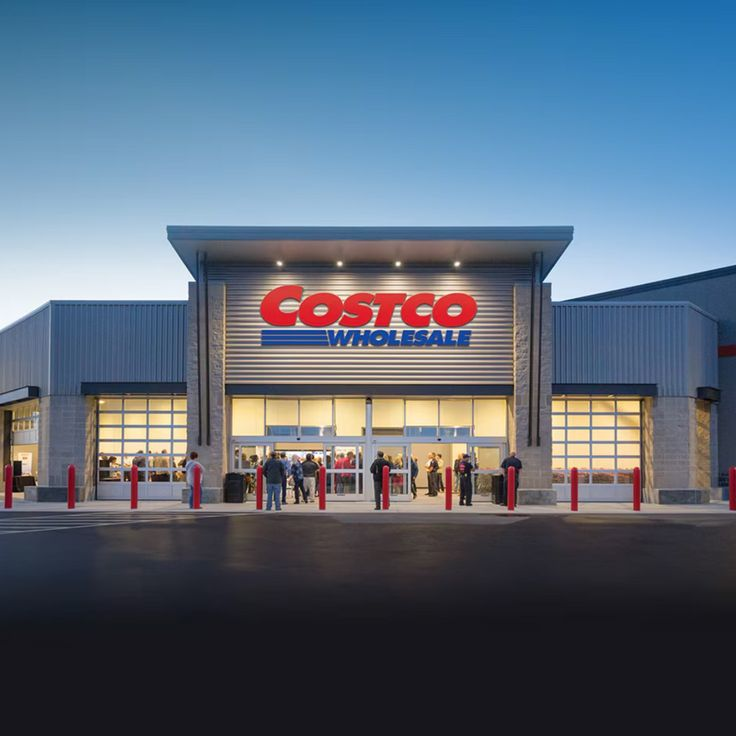
Retailers likeCostco naturally connect with this broader movement toward intentional living because their shopping model aligns closely with long-term planning, home organisation, and practical lifestyle management. Bulk purchasing, household stocking, and value-focused shopping increasingly appeal to consumers seeking efficiency alongside consistency within everyday routines.


What makes this culturally relevant today is the emotional role organisation now plays within lifestyle identity. Consumers increasingly associate stocked homes, prepared kitchens, and structured routines with comfort and stability. Costco’s emphasis on quantity, practicality, and home-oriented purchasing fits naturally into that mindset.
The retailer also reflects changing ideas around modern sophistication. Increasingly, aspirational living is no longer defined purely by visible luxury. It is shaped by functionality, preparedness, and the ability to create environments that feel calm, efficient, and intentionally maintained.
Why Organised Consumption Feels Modern
The growing appeal of curated living ultimately reflects a wider cultural desire for simplicity within increasingly complex environments. Consumers are not only organising wardrobes or kitchens. They are organising attention, routine, and emotional space.
That is why concepts like capsule wardrobes and curated pantries resonate so strongly today. Both offer a sense of structure without sacrificing personal identity. In many ways, modern lifestyle culture is becoming less about accumulation and more about thoughtful cohesion. And increasingly, that quieter form of organisation feels just as aspirational as fashion itself.