Good taste has never been a matter of budget. The most beautifully styled homes prove it, one considered choice at a time.
The Room That Speaks Before You Do
Walk into a beautifully styled living room and something shifts before you have even sat down. The light feels considered. The textures are layered in a way that makes sense without demanding explanation. Nothing competes for attention, and yet the room holds it effortlessly, the way a well-written sentence holds the eye without effort.
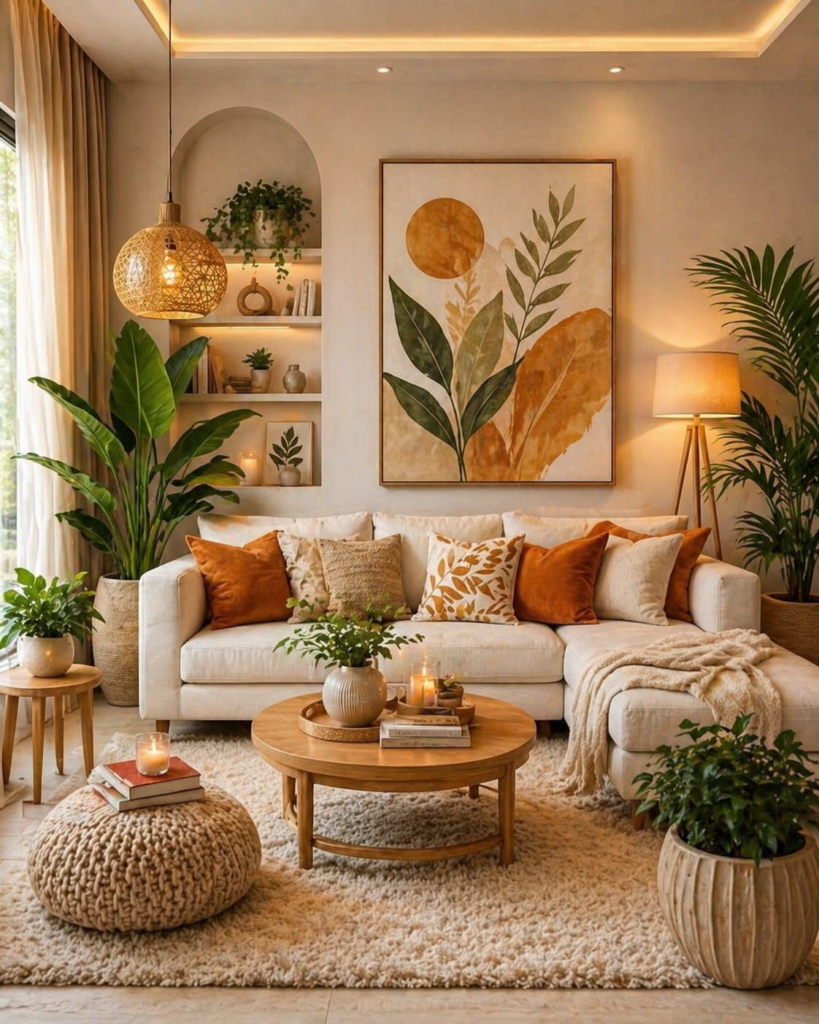
Most people assume that kind of atmosphere is the product of a generous budget and a professional hand. Rarely is either true. What separates a room that feels expensive from one that simply is expensive is not money. It is intention. It is the willingness to look at a space and ask not what it is missing, but what it is trying to say.
Across design-conscious households today, a growing number of homeowners and renters are making that case quietly and convincingly. They are furnishing with care rather than capital, choosing with patience rather than impulse. Some are working with modest spaces. Others are renting and cannot touch the walls. All of them are arriving at the same conclusion: that how you style a room matters far more than how much you spend on it. The results, in almost every case, speak entirely for themselves.
The Principles That Price Cannot Buy
There is a reason why some rooms feel cohesive and others feel chaotic, regardless of what was spent in either. Interior design, at its foundation, is governed by principles that have nothing to do with cost. Proportion is one of the most powerful. A sofa scaled correctly to the room, a rug that anchors the seating area rather than floating apologetically beneath it, a lamp positioned to cast warmth rather than light a corridor — these decisions cost nothing beyond attention. Colour works much the same way. A well-chosen palette, expressed through affordable cushions, throws, and decorative objects, will do more for a room’s atmosphere than any single expensive statement piece placed without context. And then there is restraint. Knowing what to leave out is the discipline that most interior designers are actually selling, and it is a discipline available to anyone willing to practise it.
Where Walmart Quietly Changes the Equation
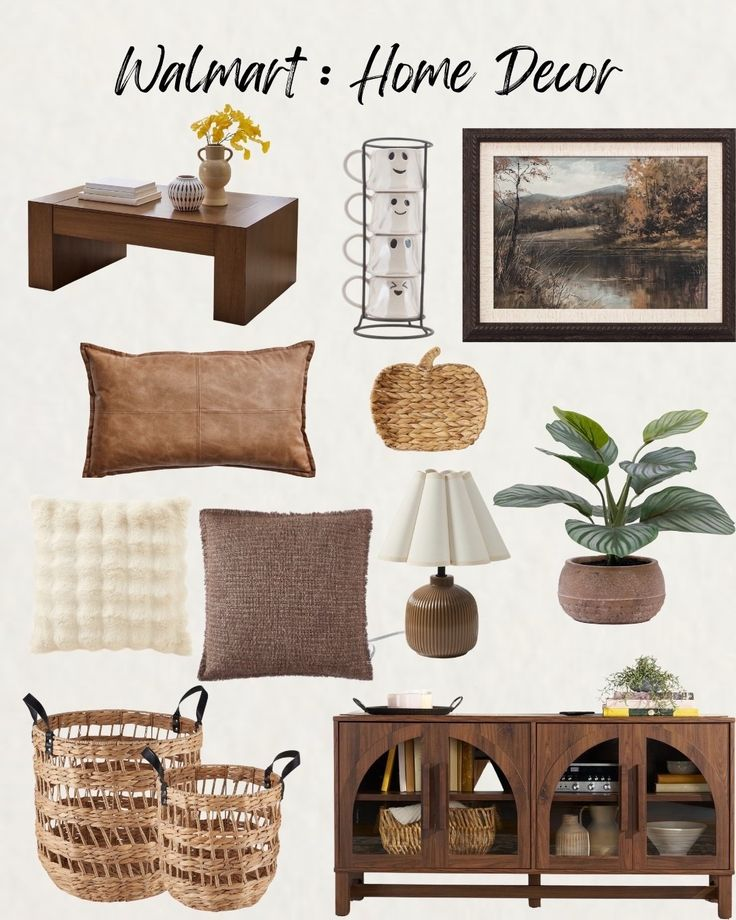
The selection is broader and more design-literate than many expect. Ceramic table lamps carry clean, architectural profiles that would look at home in a far more expensive catalogue. Woven storage baskets read as considered rather than merely convenient. Curtain panels in linen-look fabrics move beautifully in natural light and hang with the kind of easy drape that photographs well and lives even better. Cushion covers arrive with enough texture and tonal variation to add genuine depth to a neutral sofa without overwhelming it.
Beyond the individual pieces, what Walmart offers is something less tangible but equally important: the freedom to try. To rethink a corner that has never quite worked. To bring a new tone into the room without committing to it permanently. To replace something that was always a placeholder with something that actually belongs. For anyone who understands that a beautiful home is built gradually, through observation and iteration rather than a single decisive purchase, that financial latitude is not a small thing. It removes the friction that so often causes people to delay, and in delaying, to settle.

Styled with Intention, Not Expenditure and Where to Begin
The living rooms worth spending time in are rarely the result of a single afternoon and an unlimited card. They are assembled slowly, shaped by a growing understanding of what works and what does not, refined over seasons until the room finally feels like it belongs to the person living in it. That process is not exclusive. It does not require a particular income, a particular address, or access to trade suppliers. It requires curiosity, patience, and a willingness to make deliberate choices rather than convenient ones.
Start with the largest pieces and get the proportion right before anything else. Choose a palette and stay inside it, even when something outside it catches your eye. Layer texture rather than colour if the room feels flat. And resist the urge to complete a space too quickly. The rooms that feel most alive are the ones that still have room to grow.