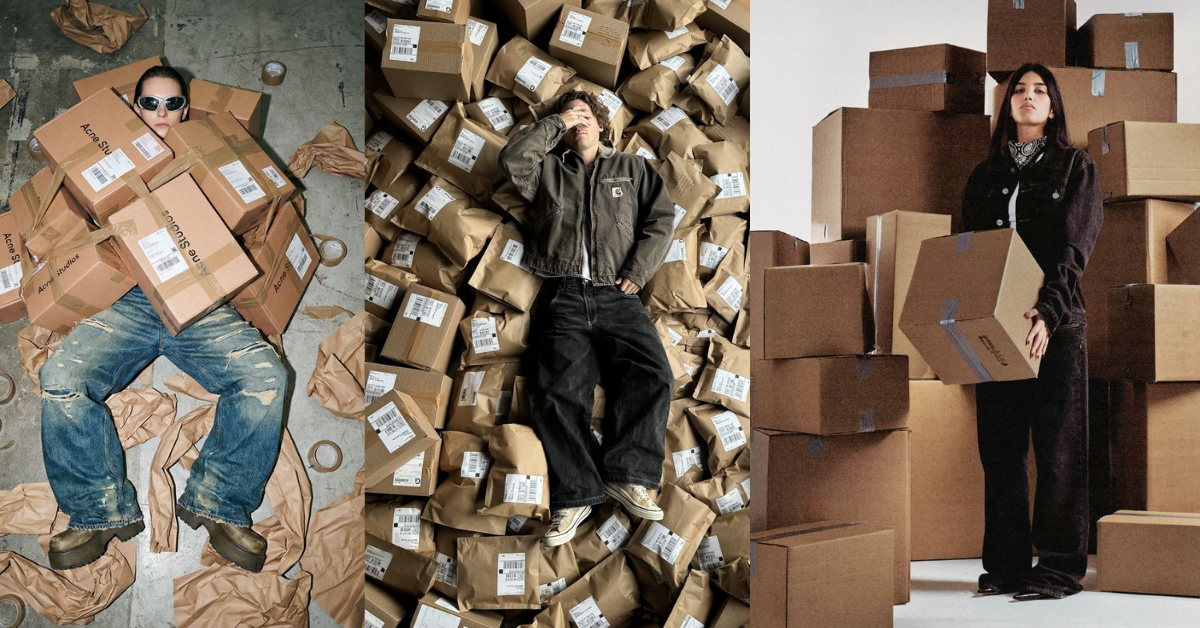
In an industry where a trend can peak and fade within a fortnight, the brands that ship fastest don’t just fulfil orders they define the moment.
Fashion Has Always Been About Timing

The history of fashion is, at its core, a history of timing. A silhouette arrives too early and it is dismissed as eccentric; too late and it is dismissed as derivative. The same ruthless logic now governs the supply chain. A micro-trend surfaces on social media on a Tuesday — by Friday, the brands that have moved are selling out; by the following Monday, the window has closed. This is not hyperbole. It is the lived reality of fashion e-commerce in the mid-2020s, where consumer attention shifts with the speed of a swipe and loyalty is earned shipment by shipment. The question for fashion founders and operations teams is no longer simply what to sell — it is how quickly, and how reliably, they can get it there.
The New Runway Runs Through the Warehouse
To understand what it takes to win in fast fashion today, one must look past the aesthetic surface — the campaigns, the collaborations, the carefully curated feeds — and into the operational engine beneath. The brands that consistently deliver, quite literally, have built fulfilment systems that are as agile as their design teams. They process orders in real time, route shipments intelligently across carriers, and communicate proactively with customers who expect transparency as standard. Multi-channel presence — selling simultaneously across a brand website, marketplaces, and social commerce platforms — has become not optional but essential. And with that complexity comes a demand for infrastructure that can absorb it without breaking stride.

ShipStation: The Quiet Force Behind the Fast Brands
This is the terrain that ShipStation was built for. A cloud-based shipping and fulfilment platform trusted by over 130,000 businesses globally, ShipStation consolidates orders from across every major selling channel — Shopify, Amazon, WooCommerce, and beyond — into a single, elegantly organised dashboard. For fashion brands managing hundreds or thousands of daily orders, this centralisation is transformative. Automated shipping rules eliminate manual decision-making at scale; carrier rate comparisons surface the most cost-effective options in real time; batch label printing compresses what might take hours into minutes. The result is a fulfilment operation that moves at the pace the market demands — without the errors, delays, or operational strain that come when brands try to scale on spreadsheets and goodwill alone. ShipStation does not just handle logistics. It removes logistics as a limitation.

The Brands That Ship Well, Win Well
There is an uncomfortable truth at the heart of fashion e-commerce: the most beautiful collection in the world cannot compensate for a late delivery, a lost parcel, or a tracking link that leads nowhere. Customers across the continent have grown accustomed to speed and precision — and they extend little patience to brands that cannot meet those expectations. The fast fashion labels gaining ground right now are not simply the ones with the sharpest aesthetic instincts. They are the ones who have invested in the infrastructure to back those instincts up, order after order, season after season. With ShipStation as the operational backbone, fashion brands of any size can compete with the agility of a disruptor and the reliability of an institution. The runway, after all, is wherever your next shipment lands.