Somewhere between the olive oil and the oat milk, a quiet fashion revolution has been unfolding. And the people who know about it are not telling everyone.
The Aisle That Became a Destination
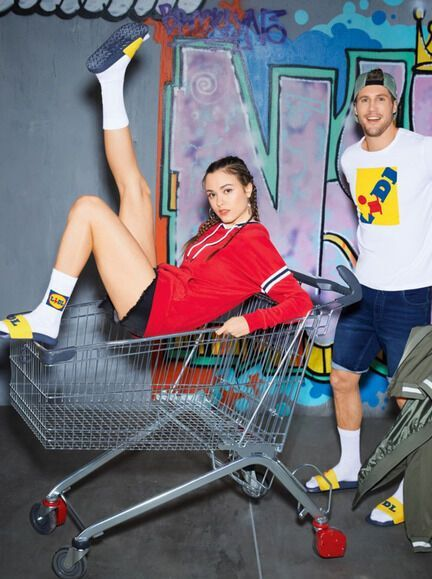
It starts, as most good things do, with a certain kind of curiosity. You are there for bread and maybe something for dinner. And then, tucked between the seasonal garden furniture and the discounted kitchen gadgets, something catches your eye. A pair of trainers in a colourway that feels current. A fleece in a cut that belongs on a mood board. A waterproof jacket at a price that makes you pick it up just to check the tag, certain there must be a catch.
There is no catch. This is simply Lidl’s middle aisle one of retail’s most quietly compelling fashion experiences, and one that has developed a devoted following among people who understand that good style is about recognising a good thing when you see it, regardless of where it is sitting.
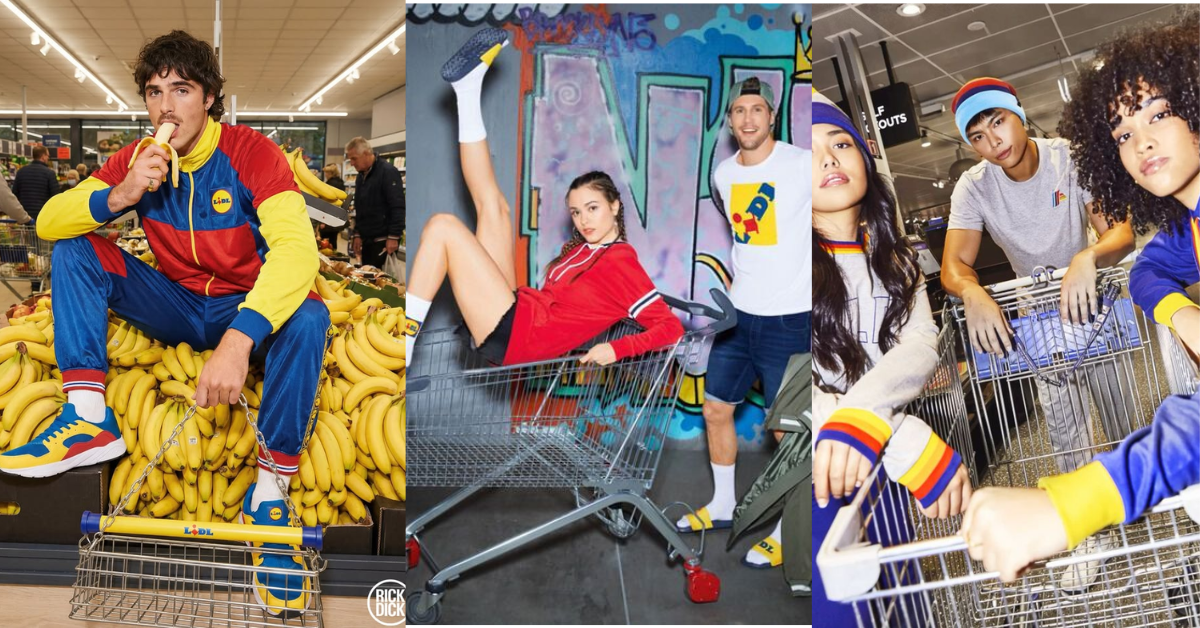
The phenomenon is not accidental. Lidl’s Specialbuys range, which rotates weekly with limited quantities, has built its reputation on exactly this kind of productive surprise. Shoppers have learned to move quickly, because what is there on Thursday is rarely there the following week. That scarcity, combined with the genuine quality of many of the pieces, has created something unusual in the current retail landscape: genuine excitement around a supermarket clothing drop.
Why the Fashion World Is Paying Attention
For a long time, supermarket fashion occupied a specific and somewhat apologetic position in the style conversation. It was practical. It was functional. It was fine. What Lidl has done, particularly over the past several years, is move that conversation somewhere more interesting. The pieces arriving in the middle aisle are no longer designed simply to cover a need. They are designed with an eye on what is happening in fashion more broadly, interpreted through a lens that prioritises wearability and value in equal measure.
The gorpcore aesthetic, which elevated technical outdoor clothing into fashion territory, found its supermarket equivalent in Lidl’s hiking and trail gear. The quiet luxury movement, with its preference for clean lines and understated colour, is reflected in the brand’s more tailored occasionwear drops. Even the trainer releases have drawn genuine attention, with some limited colourways selling out rapidly and appearing on resale platforms shortly after. These are not the hallmarks of a brand operating at the margins of fashion. They are the hallmarks of a brand that is paying attention.The social dimension has amplified all of this considerably. Unboxing content, haul videos, and styling posts built around Lidl finds have accumulated millions of views across platforms. The shared language of the Lidl middle aisle has become a kind of cultural shorthand for a certain kind of smart, unsnobbish approach to dressing well.
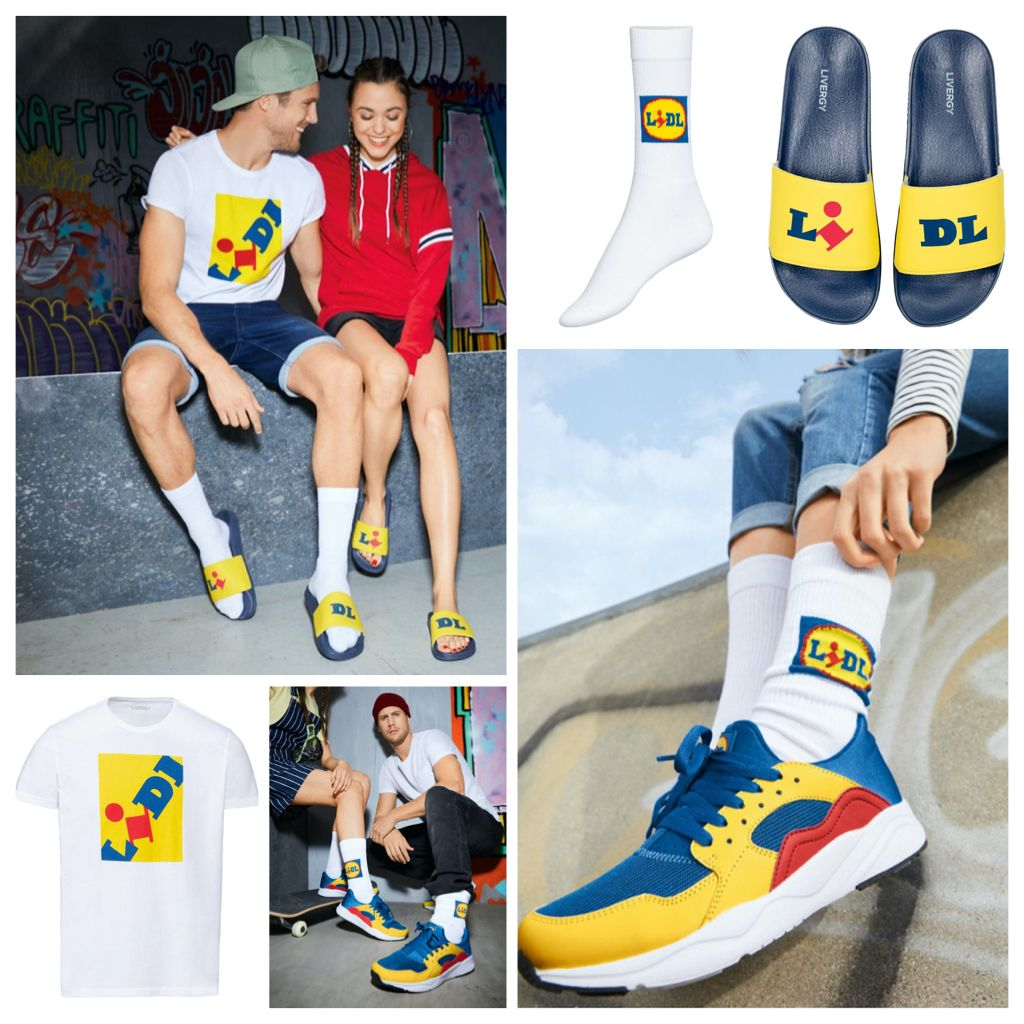
Lidl and the New Fashion Intelligence
What Lidl has understood, and what the success of its clothing range continues to demonstrate, is that the modern shopper is not easily categorised. The person reaching for a Lidl rain jacket on a Tuesday morning may own pieces from luxury labels and buy vintage at the weekend. Fashion intelligence today is not about spending consistently at one level. It is about knowing quality when you encounter it, and being entirely unbothered about where that encounter takes place.
Lidl’s range serves this consumer with a directness that more self-conscious brands sometimes lack. The pieces are priced to be tried, which means they are bought without the anxiety that often accompanies a more significant purchase. A ten-pound fleece that turns out to be excellent becomes a quiet triumph. A pair of canvas shoes that hold up through a summer of use earns a kind of loyalty that advertising cannot manufacture.
The Best Finds Belong to Those Who Show Up
There is a particular satisfaction in wearing something well that cost almost nothing — not because frugality is a virtue in itself, but because it represents a kind of visual confidence that has nothing to do with price signals. The Lidl middle aisle rewards that confidence consistently. It offers pieces that work within a wider wardrobe rather than demanding to be the centre of one, and it does so at a frequency and variety that keeps even seasoned shoppers returning.
The practical advice, for those new to this particular retail ritual, is simple. Check the weekly Specialbuys calendar in advance. Arrive early when a clothing drop lands. And approach the aisle with the same open, exploratory eye you might bring to a good vintage shop — because the logic is surprisingly similar. Not everything will be relevant. Some weeks will yield nothing of note. But when the right piece is there, you will know it immediately.