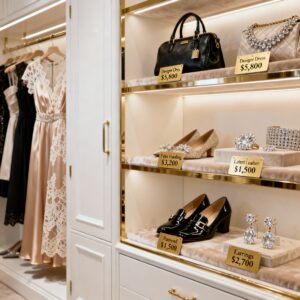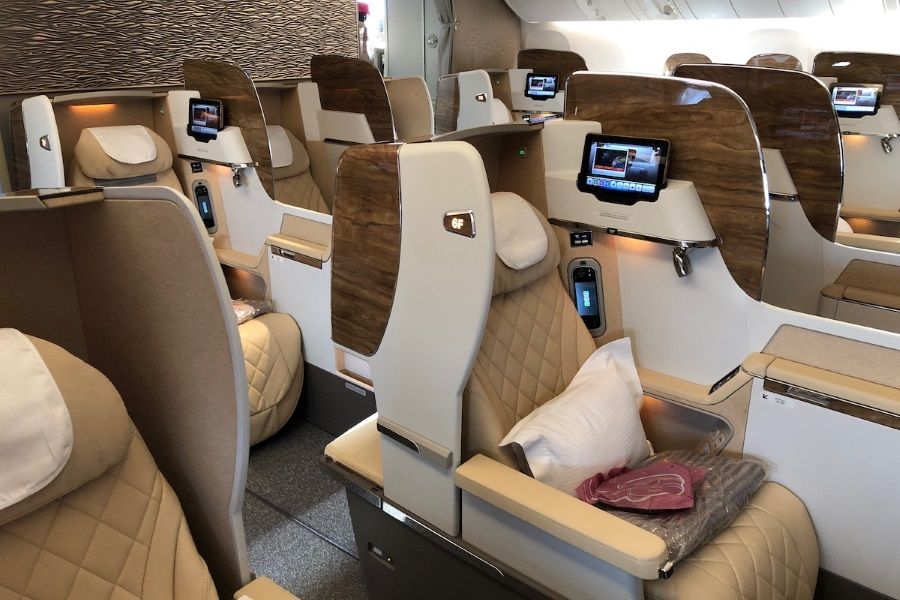
After years of ultra-casual fashion, consumers are gravitating back toward polish, structure, and visible intention.
Fashion Is Rediscovering Visible Effort
Contemporary fashion is becoming noticeably more refined. After years dominated by oversized casualwear, deliberately undone styling, and comfort-first dressing, consumers are increasingly drawn toward clothing that feels polished, intentional, and emotionally elevated. Tailoring is returning. Structured silhouettes feel aspirational again. Grooming, accessories, elegant fabrics, and coordinated styling are regaining cultural relevance across both luxury and mainstream fashion.
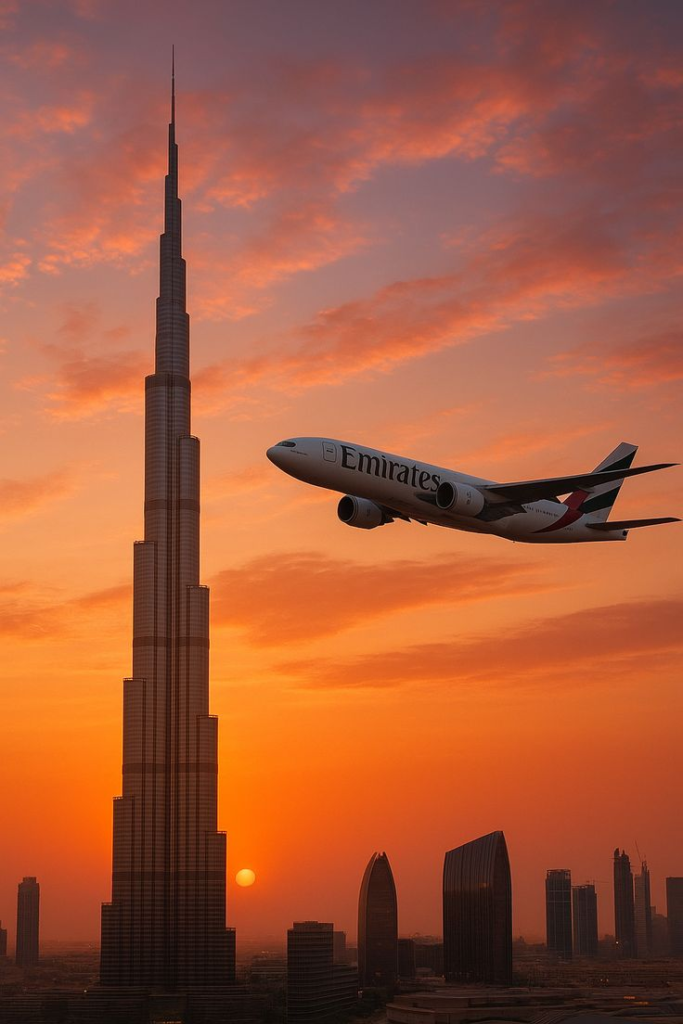
This shift is not necessarily about formality. Instead, it reflects a broader emotional desire for presentation that feels thoughtful rather than accidental. Consumers increasingly associate visible effort with confidence, self-awareness, and sophistication. Fashion is moving away from the aesthetic of detachment and back toward dressing that communicates presence.
The appeal of elegance today also feels more atmospheric than rigid. Long coats, refined knitwear, sleek monochrome palettes, jewellery, polished footwear, and clean tailoring create emotional texture rather than strict formality. Modern elegance prioritises mood as much as appearance.
The Psychology Behind the Return of Refinement
Part of this movement comes from emotional fatigue surrounding hyper-casual aesthetics. Over time, excessive informality began losing its aspirational quality. Consumers increasingly wanted fashion that felt emotionally transporting again, particularly within environments shaped by digital overstimulation and visual repetition.
Elegance naturally provides that sense of elevation. Dressing with intention creates atmosphere around everyday experience. It transforms ordinary movement through cities, cafés, restaurants, airports, and social spaces into something more cinematic and self-aware. Fashion becomes less passive and more expressive.
This explains why polished dressing increasingly resonates across younger consumers as well. Rather than rejecting comfort entirely, modern elegance combines softness with structure. Oversized tailoring, luxury basics, fluid outerwear, premium textures, and understated accessories all reflect this balance between refinement and ease.
How Emirates Aligns With Contemporary Elegance Culture
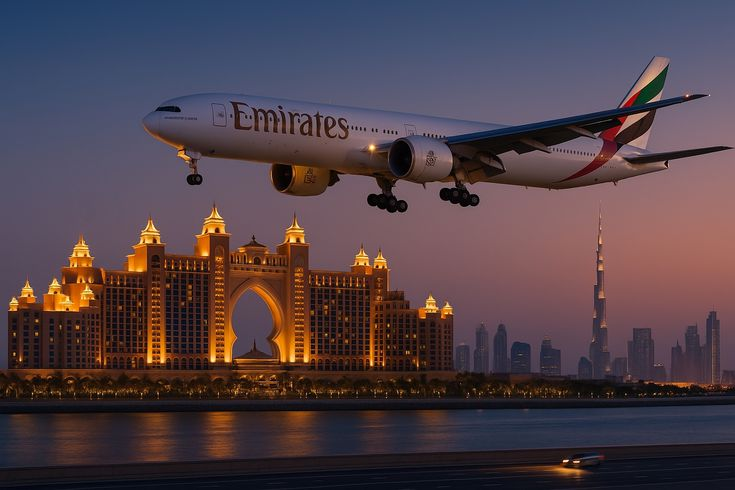
Brands associated with premium global experiences increasingly contribute to this renewed fascination with sophistication and elevated presentation. Emirates reflects many of the qualities contemporary consumers now romanticise within luxury culture: composure, refinement, atmosphere, and internationally minded elegance.
The visual world surrounding Emirates — polished interiors, premium travel environments, global movement, and elevated hospitality — aligns closely with fashion’s current return toward intentional sophistication. Modern consumers increasingly gravitate toward experiences that feel seamless and aesthetically immersive rather than aggressively performative.
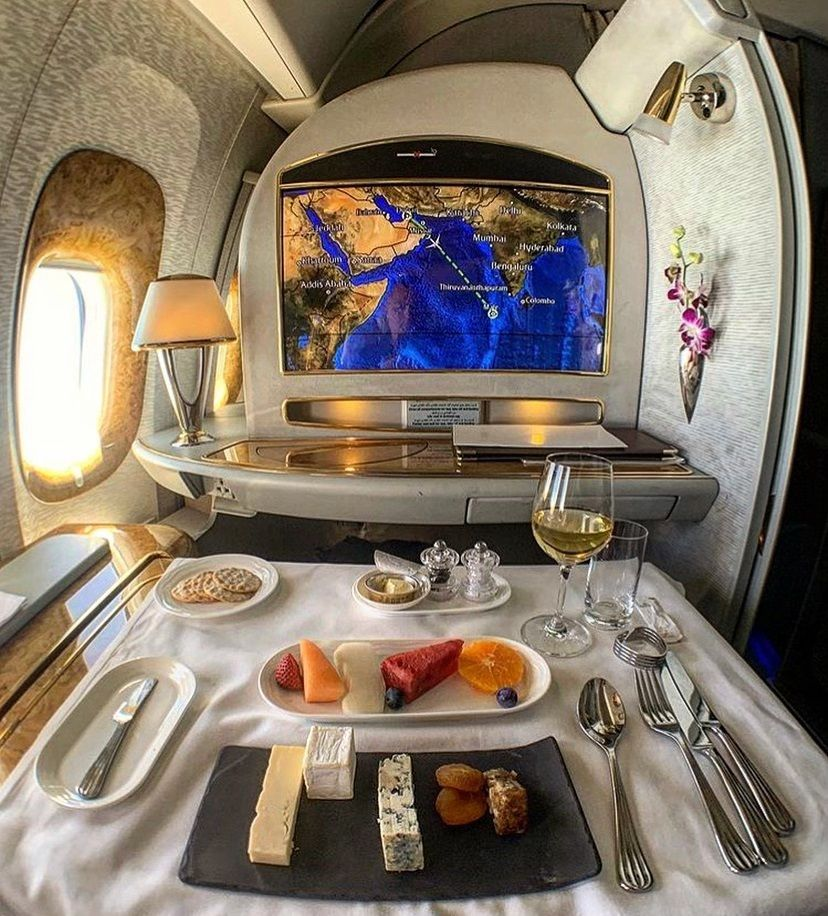
This growing appreciation for refined presentation also explains why travel culture and fashion feel more interconnected than ever. Airports, lounges, luxury hotels, and international mobility increasingly shape contemporary visual identity in ways that extend beyond clothing alone.
Why Elegance Resonates Again
Fashion rarely moves in one direction permanently. After years of normcore minimalism and hyper-casual dressing, consumers are rediscovering the emotional appeal of visible refinement. Elegance offers atmosphere, confidence, and a sense of occasion within increasingly fast-moving lifestyles.
That renewed interest reflects more than aesthetics alone. It signals a wider desire for beauty, intentionality, and emotional texture within everyday life. And increasingly, fashion is responding by making sophistication feel modern again rather than distant or unattainable.