What Nobody Tells You About the Well-Dressed
There is a persistent myth running through fashion that the people who always look right are spending significantly to achieve it. Observe those people closely enough and the myth tends to unravel. What they are actually doing, in most cases, is investing their attention rather than their budget. They have worked out which pieces form the foundation of how they dress, and they replace and refresh those pieces without sentiment and without excess. The expensive items, when they exist at all, are few and chosen with great care. Everything beneath them is practical, well-fitting, and almost always affordable.
This is not a modern insight. It is the way that generations of well-dressed people have actually operated, quietly and without making it a philosophy to be marketed. The wardrobe built on strong basics does not announce itself. It simply works, every morning, without requiring decisions that are too large for a Tuesday.
The Architecture of an Honest Wardrobe
Ask any stylist — working behind the scenes in fashion rather than in front of a camera — what they actually wear on a given day, and the answer is almost always a version of the same thing. A well-fitted neutral top. Trousers that sit correctly and move without restriction. A layer that transitions across temperatures and contexts. Footwear that is clean, versatile, and comfortable enough to be worn without thinking about it.
These are not exciting pieces in isolation. They are not designed to generate compliments or turn heads. Their purpose is structural. They are the architecture on which everything else is placed, and like all good architecture, their quality is felt rather than seen. When the basics are right, getting dressed becomes effortless. When they are wrong — ill-fitting, poorly made, the wrong colour for the rest of the wardrobe — every morning becomes a small problem in search of a solution.
The investment logic, therefore, is not complicated. Spend on the pieces you will wear regularly in high-rotation positions. Keep the basics affordable and replace them when they no longer serve their function. Never allow the cost of a basic to make you reluctant to replace it when needed. The wardrobe that works is the one that is maintained, and maintenance becomes difficult when the foundations are priced like statements.
Where Lidl Enters the Wardrobe Conversation
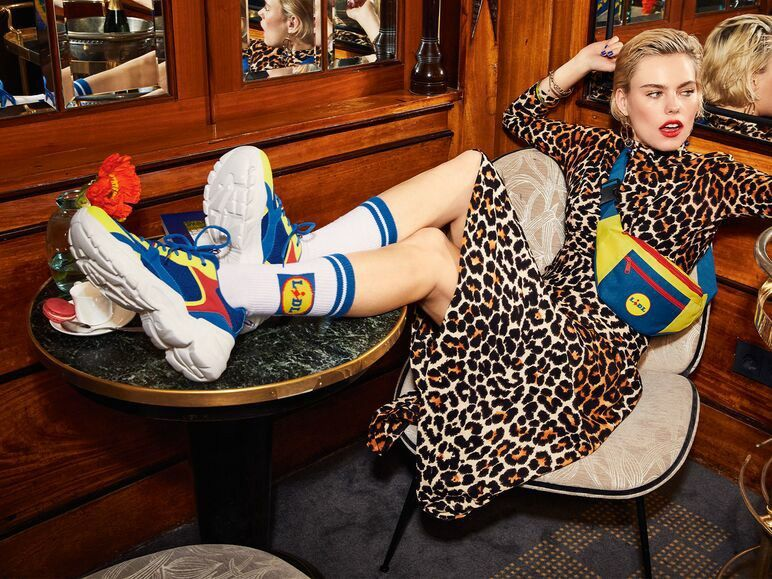
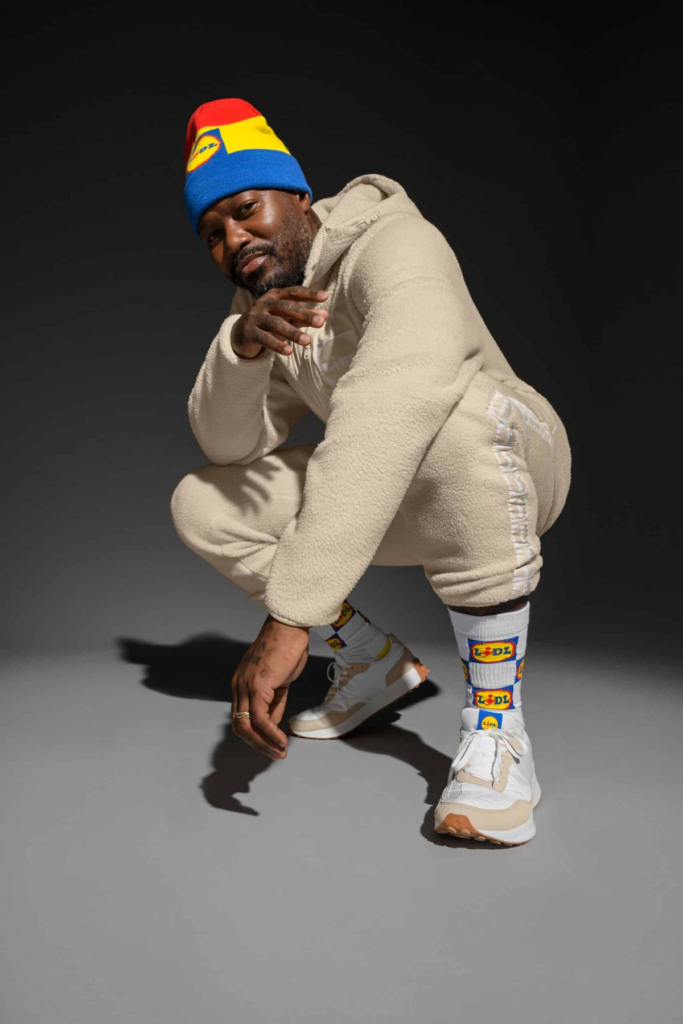
Lidl’s clothing range has built its strongest case in exactly this territory. The essentials — the plain tees in clean cuts, the jersey loungewear that crosses into casual dressing without effort, the basic knitwear in colours that sit quietly within a wider palette, the socks and underlayers that simply need to perform without drawing attention — are precisely where Lidl delivers with consistency and quiet competence.
The pricing removes the psychological friction that undermines so many wardrobes. When a plain white tee costs very little, you buy the right number of them rather than the number you can justify. When a pair of jersey joggers is genuinely affordable, you replace them when they have run their course rather than wearing them past the point of usefulness. The wardrobe stays current, stays functional, and stays honest without requiring a dedicated budget or a seasonal audit.

Build the Base, Then Build the Rest
The wardrobe that functions well is not assembled in an afternoon. It develops over time, through the accumulated understanding of what you actually wear, what you reach for without thinking, and what has been sitting untouched for longer than you care to admit. The edit that emerges from that understanding is different for every person, but the principle underneath it is consistent: the basics need to work before anything else can.
Starting with the foundations — and keeping them affordable enough to refresh regularly — is not a budget concession. It is a strategic decision made by people who understand that a wardrobe is a system, not a collection. Lidl supports that system with pieces that are straightforward, functional, and honest about their purpose. They ask only to be worn, and in return they do exactly what a good basic should: they disappear into the outfit and let the rest of the wardrobe do its work.
The most stylish wardrobes are rarely the most expensive ones. They are the most considered ones. And consideration, as it turns out, costs almost nothing at all.