From concert aesthetics to sportswear culture, fandom communities increasingly shape contemporary fashion trends.
Fashion Is Becoming More Culturally Specific
Some of the most recognisable fashion aesthetics today are no longer rising from traditional luxury spaces alone. Increasingly, they are developing through fandom culture. Music tours influence seasonal colour palettes. Football communities shape outerwear and streetwear trends across European cities. Film franchises inspire niche styling movements online. Even merchandise has evolved beyond souvenir culture into something far more fashion-conscious and identity-driven.
This shift reveals how closely fashion has become tied to cultural participation. Consumers increasingly dress according to the entertainment worlds they emotionally connect with rather than following trend cycles in a purely traditional sense. A concert outfit now communicates taste, community, and mood simultaneously. Sportswear increasingly reflects social belonging rather than athletic functionality alone. Fashion has become a way of visibly participating in entertainment culture itself.
What makes this movement particularly powerful is that fandom aesthetics often feel more emotionally charged than runway-driven trends. They emerge from collective enthusiasm rather than commercial forecasting alone, which gives them a stronger sense of authenticity within contemporary style culture.

The Rise of Entertainment-Led Dressing
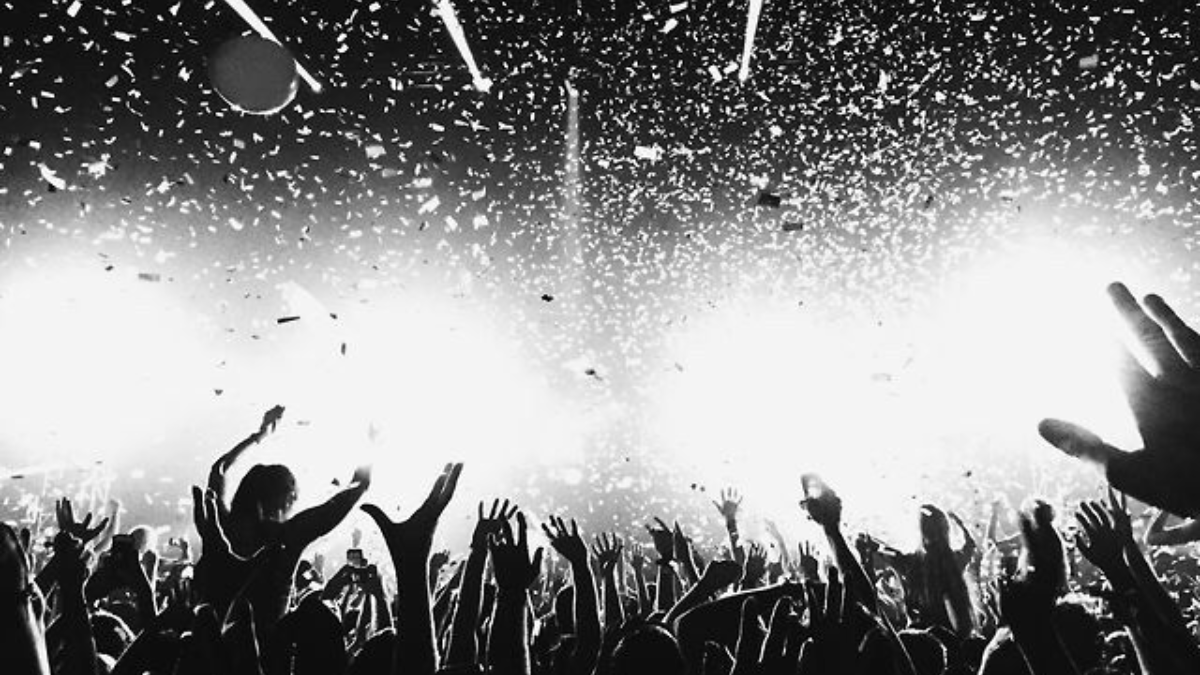
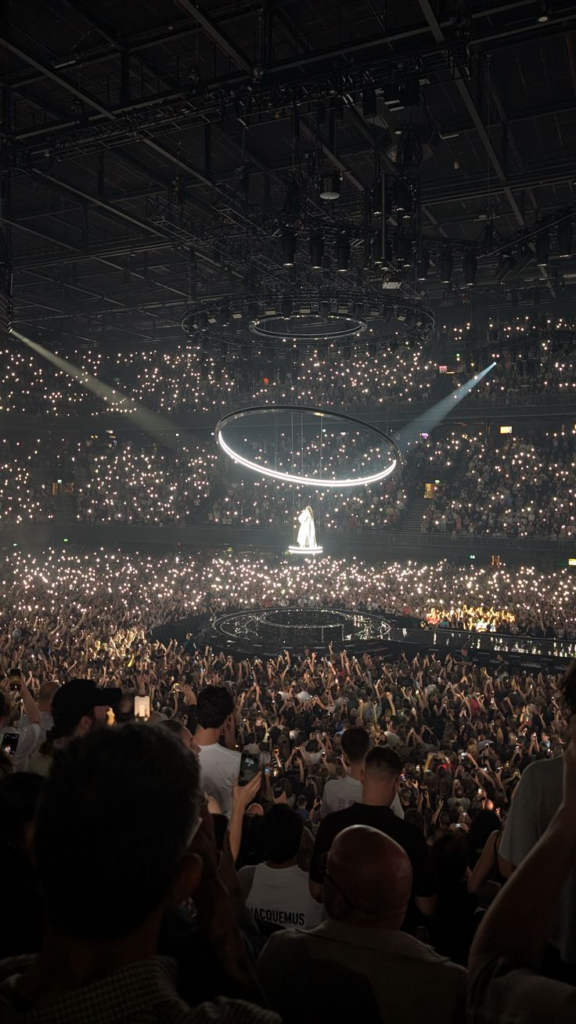
Modern fandom culture operates visually. Social media transformed concerts, sporting events, premieres, and live entertainment into highly photographed cultural moments where audiences themselves become part of the spectacle. As a result, fashion surrounding these spaces has become increasingly intentional.
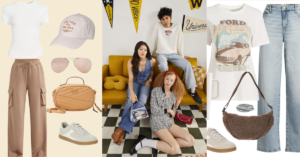
Consumers now build outfits around artist aesthetics, music genres, football identities, cinematic references, and online fan communities. Metallic dressing, oversized vintage jerseys, ballet-inspired styling, indie sleaze influences, cowboy-core, dark romantic tailoring, and Y2K references have all gained momentum partly through entertainment-led fashion communities online.
Importantly, these aesthetics rarely remain limited to events themselves. They increasingly move into mainstream everyday dressing because fandom culture now influences wider visual identity. Consumers no longer separate entertainment from personal style as clearly as before. Fashion becomes a continuation of the cultural spaces they engage with emotionally.
This also explains the growing popularity of statement outerwear, collectible accessories, tour-inspired styling, and nostalgic references across modern fashion. Clothing increasingly functions as cultural signalling rather than isolated self-expression.
How Viagogo Connects to Contemporary Fandom Culture
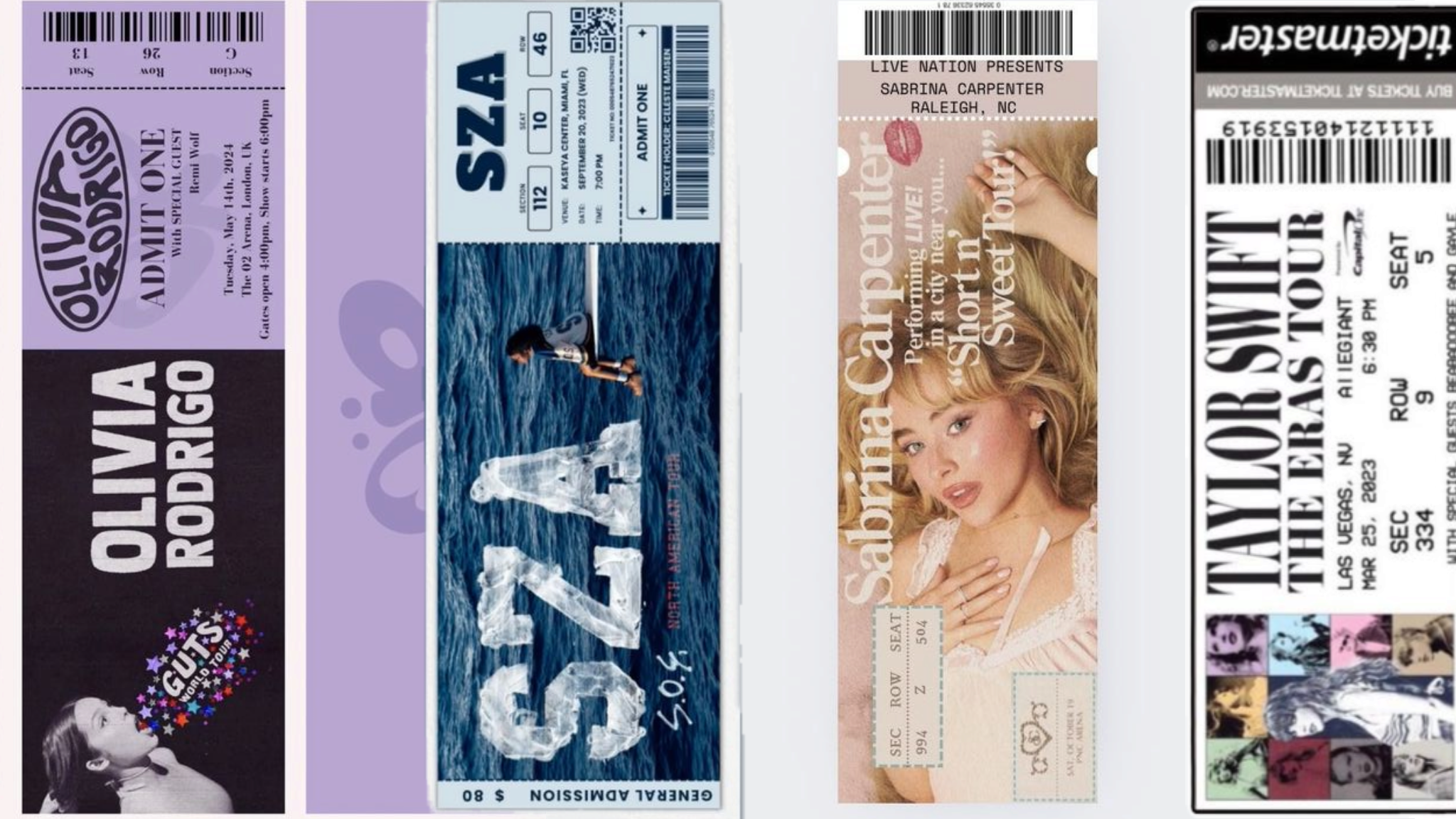
Platforms like Viagogo naturally exist within this evolving relationship between fashion, fandom, and live cultural participation. Concerts, sporting events, theatre productions, and major entertainment experiences increasingly shape not only how consumers spend their time, but how they socially present themselves.
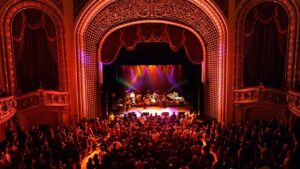
Modern audiences rarely attend events passively anymore. They build anticipation around them visually, emotionally, and culturally. Outfits, travel plans, social content, and group experiences often become integrated into the event itself. This growing emotional investment surrounding live entertainment naturally increases its influence on wider lifestyle and fashion culture.
Viagogo’s connection to large-scale cultural events places it directly within this experience-led landscape, where entertainment increasingly shapes identity, community, and visual culture simultaneously.
Why Fandom Fashion Continues Growing
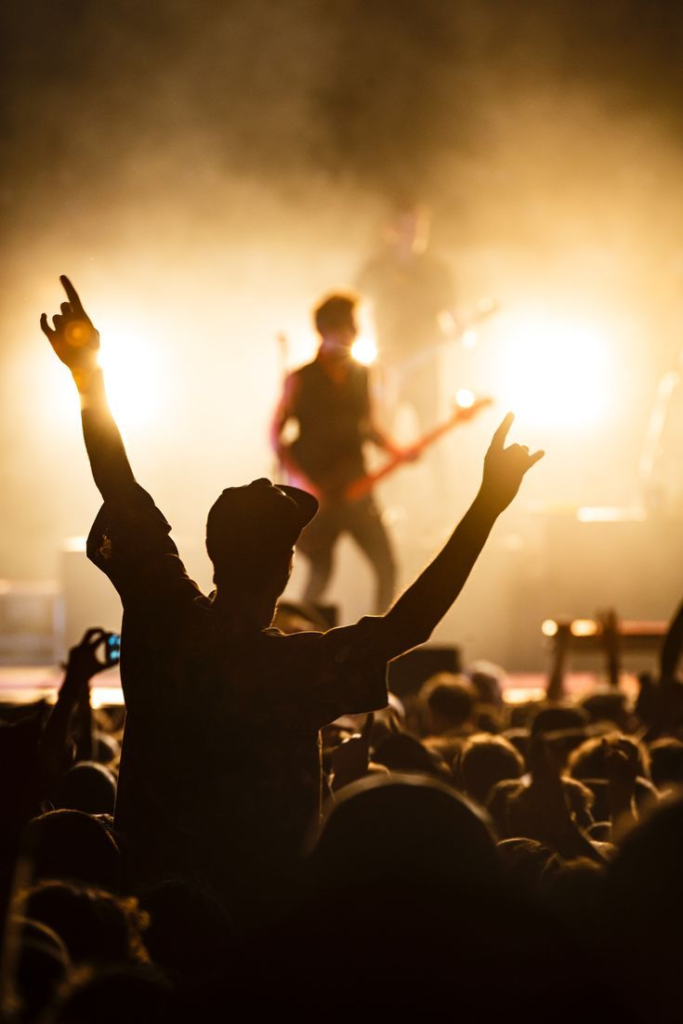
Fashion has always responded to cultural energy, and fandom culture currently provides some of the strongest emotional communities within contemporary society. Live events, music culture, sports audiences, and entertainment spaces create shared visual languages that consumers actively want to participate in.
That is why fandom-driven dressing feels so influential right now. It combines emotion, belonging, nostalgia, and identity within a single aesthetic experience. In many ways, consumers are no longer dressing only according to fashion trends. They are dressing according to the cultural worlds they feel most connected to.