
Performance and aesthetics are no longer competing values. The most relevant wardrobes today are built around both — and the line between gym kit and fashion statement has never been thinner.
The New Uniform
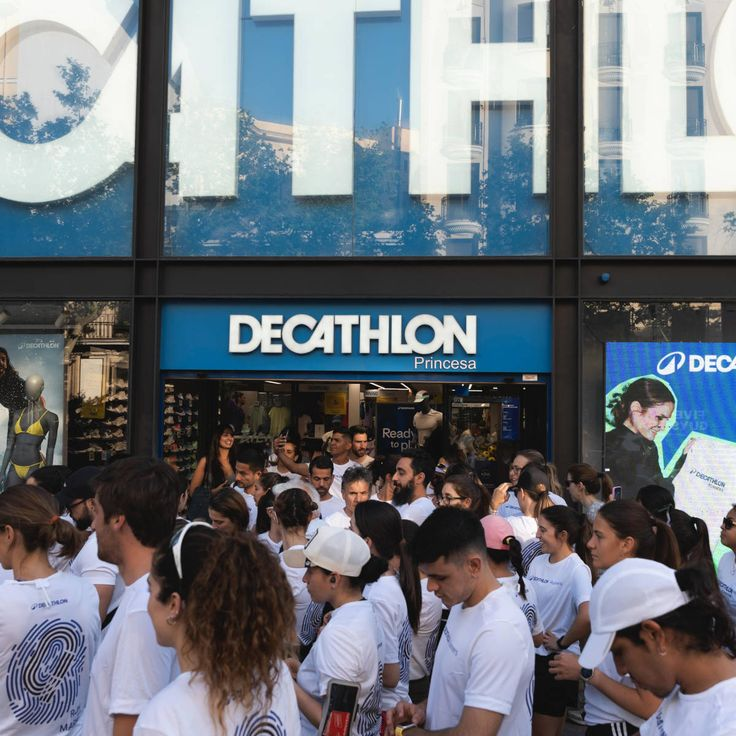
There is a particular kind of dressing that has quietly taken over — visible on city streets at seven in the morning, in cafes at noon, at low-key social gatherings by early evening. It is not athleisure in the lazily defined sense of the word. It is something more considered than that. A fitted running jacket worn over tailored trousers. Seamless leggings paired with a structured bag and clean trainers. A technical half-zip that reads more like a fashion layer than a warm-up piece.
The shift has been gradual but it is now undeniable. Activewear has moved from the periphery of the wardrobe to its centre, and not because people are exercising more, though many are. It has moved there because the category finally started taking itself seriously. Fabric technology improved. Silhouettes became more refined. Colour palettes grew quieter and more versatile. The result is a category of clothing that performs when you need it to and looks sharp when you do not.
When Performance Dressing Became a Point of View
Fashion has always borrowed from sport. The tracksuit, the bomber, the trainer — each arrived from a functional context and was absorbed into the wider wardrobe because it was too good, too comfortable, too visually compelling to stay confined to its original purpose. What is different now is the direction of influence. Sport is no longer waiting for fashion to notice it. It is setting its own aesthetic agenda, and fashion is the one paying attention.
The most compelling activewear today shares several qualities. The construction is precise without being rigid. The palette tends toward neutrals and earthy tones, with occasional technical brights used as accent rather than statement. Layering is built into the design logic — pieces that work alone but compose naturally with others. And crucially, the fit is considered enough to move well on a body in motion while looking composed on a body standing still.
This is not a trend in the seasonal sense. It will not be replaced next spring by something louder or more decorative. It reflects a genuine, lasting recalibration in how people think about getting dressed — one that prioritises versatility, physical ease, and a kind of understated confidence that does not require a label on the outside to communicate its intentions.
Decathlon: The Brand That Was Ahead of the Conversation
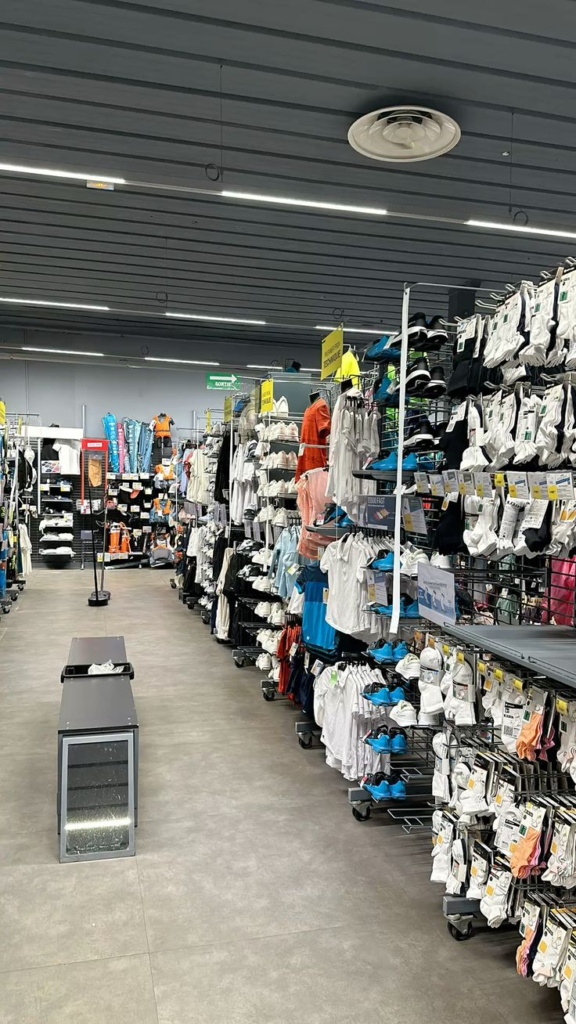
Long before activewear became the category everyone wanted a position in, Decathlon was already doing the work. Founded in France and now present across dozens of countries, Decathlon has built one of the most extensive and quietly respected sportswear ranges available today. The approach has always been the same: design performance clothing that is technically serious, visually clean, and priced in a way that makes quality accessible rather than aspirational in the exclusive sense.
What sets the range apart, particularly for the fashion-conscious buyer, is the restraint in its design language. The cuts are contemporary without being trend-dependent. The colour stories are edited and coherent. A running tight from Decathlon’s Kalenji line sits comfortably alongside pieces from far more expensive brands; a Quechua fleece has the kind of clean, functional profile that reads just as well in an urban context as it does on a trail. The fabrics are engineered for movement, which means they also drape and behave well in daily wear.
Dressed to Move, Built to Last and Where to Begin
The activewear wardrobe, done well, is one of the most functional and quietly stylish things a person can own. It asks nothing of the morning. It transitions without effort. It looks as deliberate in the city as it does in the studio or on the mountain, because it was designed with all of those contexts in mind.
Building it does not require a complete overhaul. Start with the foundational pieces — a base layer that fits well and moves without restriction, a mid-layer with enough visual interest to stand alone, a versatile outer piece that handles weather without sacrificing proportion. From there, the wardrobe builds itself through use and observation. You learn quickly what you reach for and what you do not, and the edit becomes instinctive.
Decathlon makes that process feel less like a compromise and more like a discovery. The range is wide enough to cover every sport and every aesthetic preference within the activewear space, and consistent enough that pieces from different lines sit together naturally. Whether you are new to this way of dressing or already committed to it, the brand offers something that is increasingly rare: genuine quality, genuine style, and a price that respects both your intelligence and your budget.