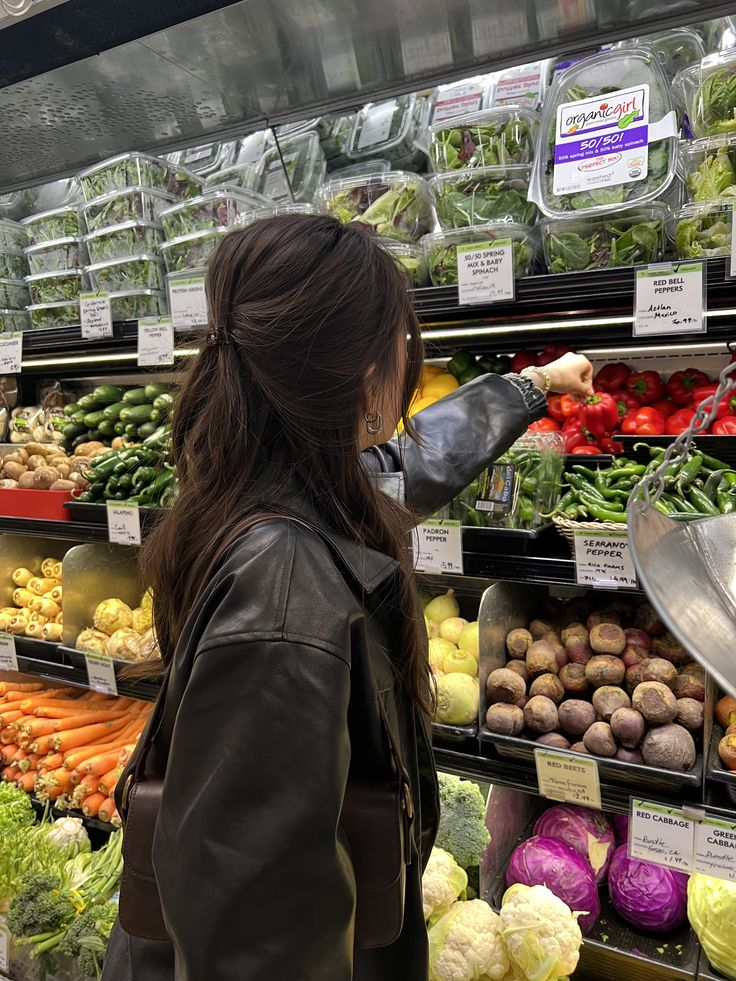
The rise of aesthetic domesticity reflects changing relationships with routine, presentation, and personal identity.
Home Life Becoming a Part of Lifestyle Culture

Fashion no longer exists exclusively within wardrobes. Increasingly, the same aesthetic sensibilities shaping clothing, beauty, and personal style are influencing the way consumers approach domestic life itself. Kitchens are colour-coordinated. Coffee stations are styled with the precision of editorial shoots. Pantry organisation appears beside outfit inspiration on social media feeds. Even grocery shopping and hosting culture now carry a visual identity attached to them. Domestic living has become part of contemporary lifestyle aesthetics in a way that feels both culturally revealing and commercially influential.
This shift reflects the growing overlap between fashion culture and everyday routine. Consumers are no longer styling isolated aspects of identity. Instead, they are curating entire environments around atmosphere, comfort, and presentation. Neutral palettes, minimal packaging, elevated basics, and visually cohesive routines all align closely with the wider movement toward understated luxury currently shaping both fashion and lifestyle culture across Europe.
The appeal lies in emotional consistency. Consumers increasingly want homes, routines, and purchases that feel visually calming and intentionally structured rather than chaotic or purely functional. In many ways, domestic aesthetics now operate similarly to personal style: they communicate identity quietly through detail.
The Rise of Curated Routine Culture
Social media accelerated this evolution significantly by transforming routine into visual storytelling. Morning grocery hauls, kitchen restocks, meal preparation, hosting setups, and café-at-home rituals became lifestyle content categories of their own. Unlike traditional luxury culture centred around exclusivity alone, these aesthetics feel accessible while still aspirational. The focus is less on extravagance and more on refinement within ordinary life.
This has also changed consumer relationships with everyday products. Items once viewed purely through utility are now assessed through design, presentation, and atmosphere. Packaging, colour coordination, texture, organisation, and visual cohesion increasingly shape purchasing behaviour across home-centred categories.
Fashion’s influence is particularly visible here. The same consumers drawn toward capsule wardrobes, neutral tailoring, quiet luxury, and minimalist dressing are often curating homes and routines through similar aesthetic principles. Lifestyle culture has become increasingly cohesive across fashion, interiors, wellness, and domestic living.
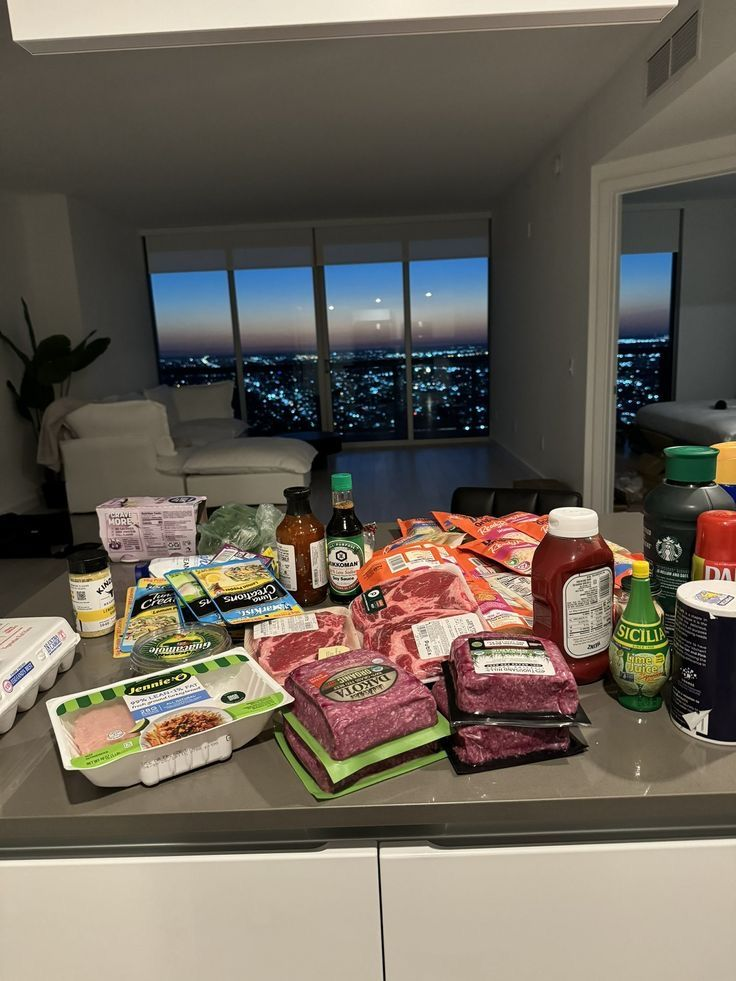
How Costco Reflects the Rise of Lifestyle Domesticity
Retailers like Costco occupy an interesting position within this cultural shift because they increasingly exist within lifestyle-oriented consumer behaviour rather than transactional shopping alone. Bulk purchasing, pantry organisation, hosting preparation, and home stocking culture have all become visually embedded within modern domestic aesthetics online.
What makes this especially relevant today is the growing emphasis consumers place on comfort, routine, and home-centred living. Large-scale grocery shopping and household preparation are no longer viewed purely through practicality. They are increasingly connected to feelings of organisation, preparedness, and emotional ease. Costco’s wide product range, value-driven structure, and strong association with home life naturally align with consumers seeking efficiency alongside lifestyle cohesion.
The retailer also reflects the broader rise of domestic abundance aesthetics, where stocked kitchens, organised storage, entertaining essentials, and everyday convenience contribute to contemporary ideas of comfort and aspirational living.
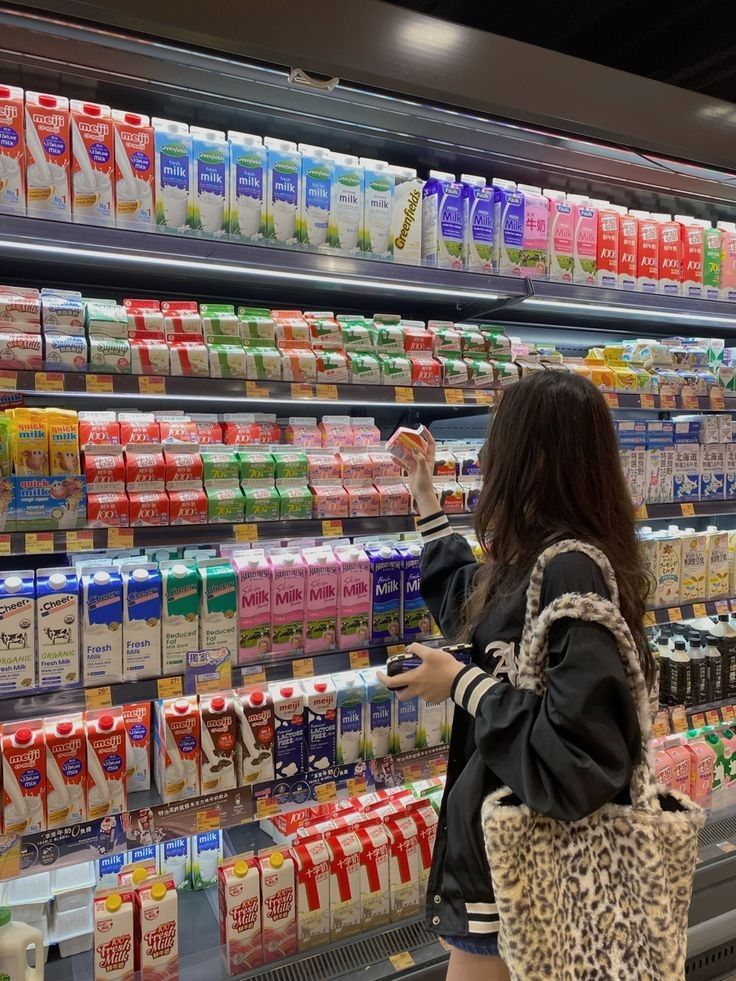
Why Domestic Aesthetics Continue to Grow
The fashionisation of domestic life ultimately reveals how deeply aesthetic thinking now shapes modern consumer culture. Consumers increasingly approach everyday experiences through atmosphere, emotional texture, and visual consistency rather than utility alone.
This does not necessarily reflect superficiality. Instead, it reflects a growing desire to make routine feel more intentional and emotionally satisfying. In fast-moving digital environments, curated domesticity offers a sense of control, calmness, and familiarity that many consumers actively seek. And increasingly, the visual language once associated primarily with fashion is becoming central to how people style everyday life itself.