Modern consumers are building style inspiration around collective experiences rather than traditional trend cycles.
Style Is Becoming Social Again
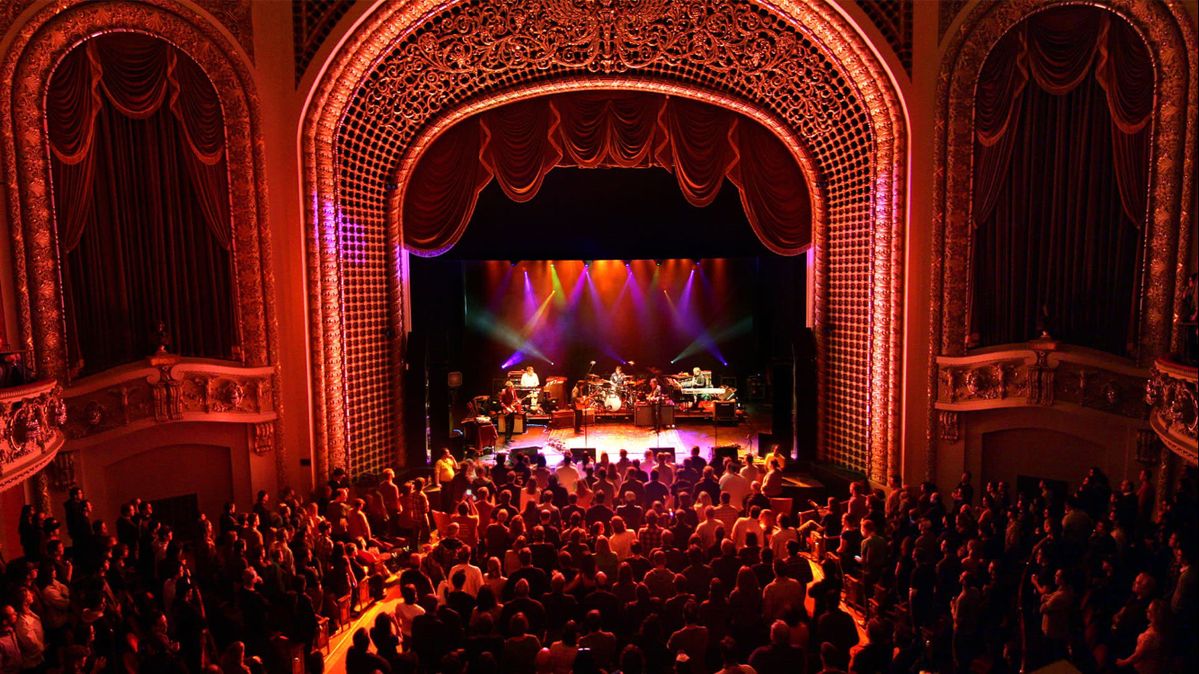
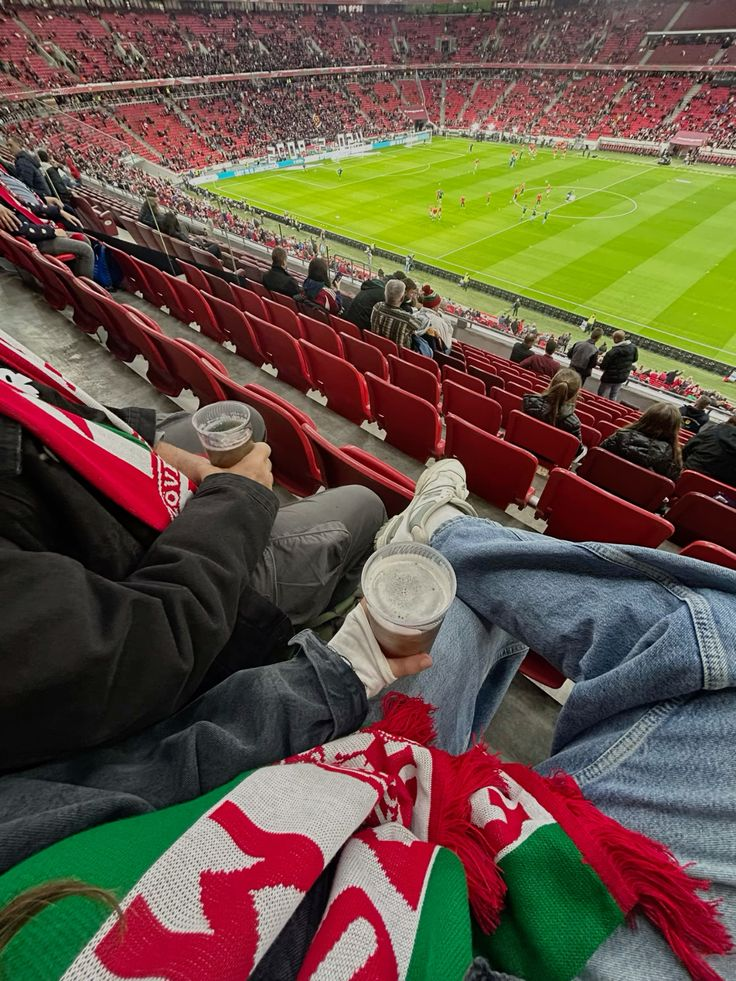
The most influential fashion aesthetics today are no longer emerging solely from runways or trend forecasts. Increasingly, they are forming inside stadiums, music venues, nightlife spaces, sports crowds, and fan communities. A concert audience now carries its own visual identity. Football culture influences streetwear silhouettes across Europe. Festival dressing shapes seasonal styling months before traditional fashion campaigns fully catch up. Fashion feels less isolated from cultural participation and far more connected to collective energy.
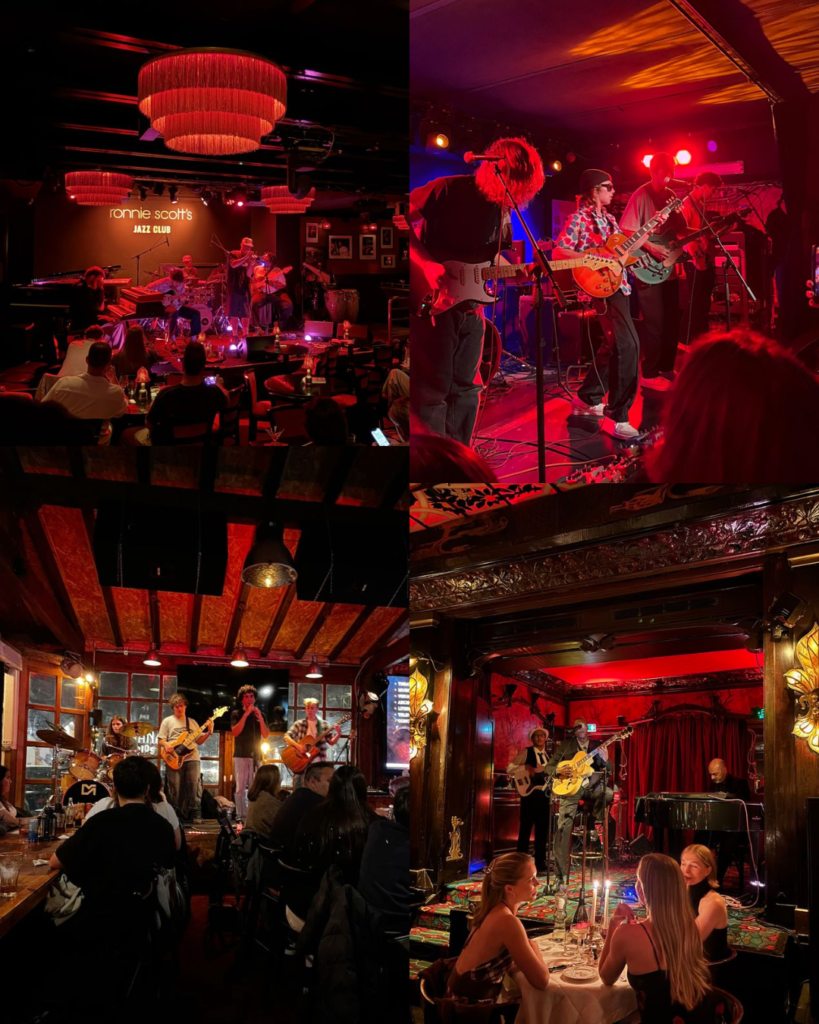
This shift reflects a growing appetite for experiences that feel shared rather than purely individual. In highly digital environments where personal style often becomes flattened into endless scrolling, live cultural spaces offer something different: atmosphere, emotion, and visual belonging. Clothing naturally becomes part of that participation. Audiences increasingly dress according to the mood of the event itself, whether that means metallic glamour for pop tours, vintage sportswear for football culture, or dark romantic tailoring for nightlife and alternative music scenes.
Fashion is becoming more community-led again, and consumers are responding to that emotional dimension strongly.
The Rise of Experience-Led Aesthetics
What makes contemporary style culture particularly interesting is how fluid these aesthetics have become. Consumers no longer commit to a single visual identity full-time. Instead, fashion shifts depending on the cultural spaces they move through. Someone may adopt minimalist tailoring during the week, festival-inspired styling for live music events, and football-influenced streetwear during tournament season without viewing those aesthetics as disconnected.
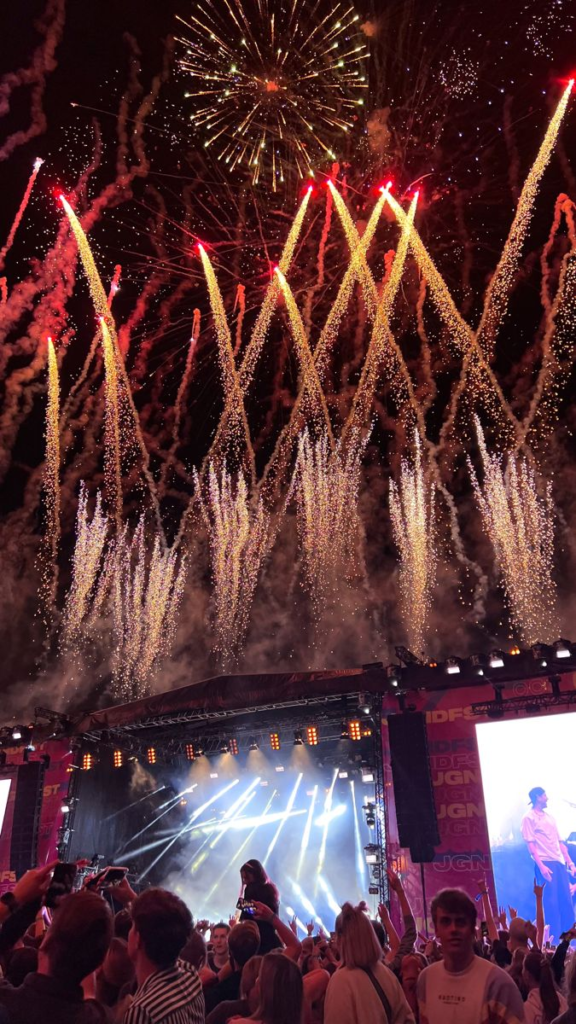
This flexibility has created a more expressive relationship between entertainment culture and fashion. Concert tours, sporting events, nightlife spaces, and fan communities increasingly influence mainstream dressing because they create highly recognisable visual worlds. Social media amplifies these aesthetics further by turning audiences themselves into part of the spectacle. Outfits, accessories, and group styling become integrated into the wider event experience online.
European fashion culture particularly reflects this shift toward experience-led dressing. Across major cities, consumers increasingly prioritise clothing that feels adaptable, atmospheric, and culturally aware rather than rigidly trend-driven. Fashion is becoming less about isolated statement pieces and more about emotional context.
How Viagogo Connects to Modern Cultural Participation
Platforms like Viagogo naturally exist within this evolving relationship between fashion, entertainment, and cultural identity because live events increasingly shape how consumers socially express themselves. Concerts, sports matches, theatre productions, and large-scale cultural experiences are no longer viewed simply as leisure activities. They function as emotionally significant moments people actively build anticipation around.
This growing importance of live experiences has also increased the cultural influence surrounding event participation itself. Consumers increasingly plan travel, styling, social outings, and digital content around concerts, festivals, and entertainment experiences. In many ways, access to these events now contributes to lifestyle identity just as strongly as fashion or travel culture alone.
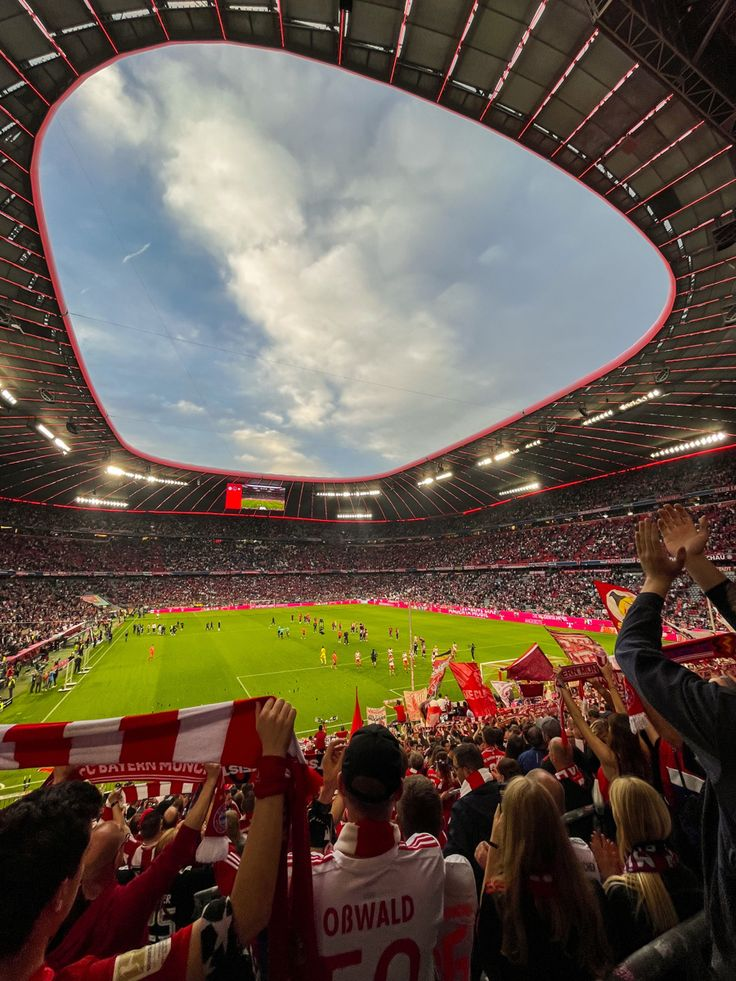
Viagogo aligns naturally with this broader movement because it sits at the centre of contemporary experience-led culture, where entertainment, fashion, and social participation increasingly overlap.
Why Collective Fashion Culture Is Returning
Fashion tends to evolve alongside emotional behaviour, and modern consumers are increasingly seeking forms of connection that feel immersive and socially energising. Live experiences provide temporary worlds with their own aesthetics, rituals, and visual language. Naturally, clothing becomes part of entering those spaces.
That is why fashion currently feels more collective again. Consumers are not only dressing for visibility. They are dressing for participation, atmosphere, and shared cultural memory. In a culture increasingly shaped by experiences rather than possessions alone, fashion becomes less about standing apart and more about belonging to something emotionally alive.