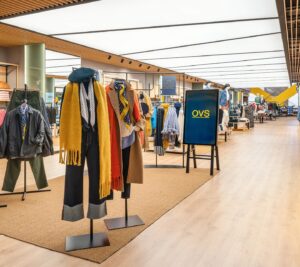
Today’s consumers are drawn toward clothing that combines refinement, comfort, and functionality without compromise.
Why Fashion Is Moving Toward Function Again
For years, fashion operated through separation. Tailoring belonged to formal spaces, sportswear belonged to performance, and luxury often prioritised appearance over practicality. That distinction has gradually dissolved. Today’s consumers move between work, travel, wellness, social life, and leisure with far greater fluidity, and their wardrobes are expected to adapt accordingly. Clothing is no longer evaluated solely on aesthetics. It is assessed through comfort, movement, versatility, and longevity. Fashion that feels restrictive increasingly feels outdated.
This cultural shift has accelerated the rise of elevated performance dressing. Technical fabrics, structured outerwear, luxury knitwear, lightweight layering, and adaptable silhouettes have become central to contemporary wardrobes precisely because they align with how people now live. The appeal lies in balance. Consumers want clothing that appears refined without feeling impractical, and polished without appearing overly formal. The modern luxury consumer is no longer dressing for spectacle alone. They are dressing for mobility, flexibility, and understated confidence.
The Rise of Lifestyle Utility
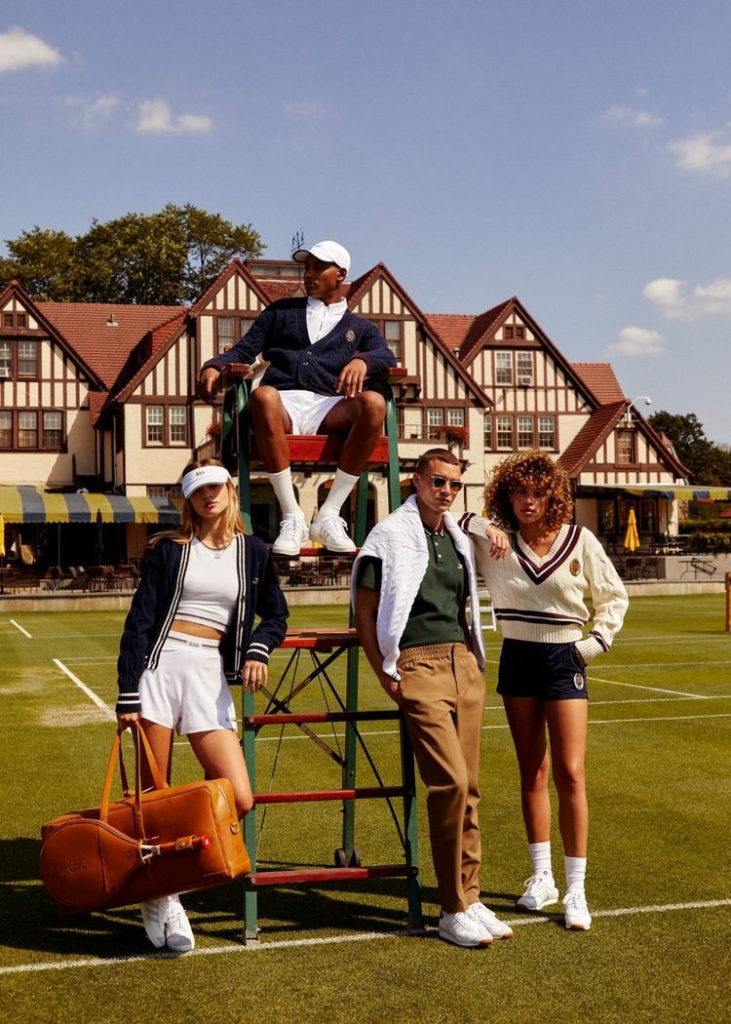
What makes performance-inspired fashion particularly influential is its emotional positioning. Functional clothing once carried purely athletic associations, but it now communicates discipline, intentionality, and modern sophistication. Across fashion culture, consumers are gravitating toward aesthetics rooted in effortlessness and control rather than overt extravagance. Quiet luxury, minimalist tailoring, and lifestyle-oriented sportswear all reflect this broader preference for subtle refinement.
This evolution has also reshaped consumer relationships with sporting categories themselves. Golf, tennis, and outdoor-inspired apparel are increasingly influencing mainstream fashion because they naturally embody this balance between elegance and functionality. Structured sportswear feels aspirational today because it reflects a lifestyle associated with wellness, leisure, and controlled simplicity rather than excess consumption.
How American Golf Fits Into the Shift Toward Elevated Sportswear

American Golf sit at an interesting intersection of this transformation. While traditionally associated with sporting equipment and golf apparel, the broader aesthetic language surrounding golf fashion now aligns closely with contemporary luxury consumption. Tailored performance trousers, lightweight layering, premium footwear, and minimalist outerwear increasingly appeal to consumers beyond the course itself.
The brand’s wide selection of apparel and performance-led products reflects how consumers now approach sportswear through both functional and lifestyle lenses. Rather than shopping exclusively for athletic necessity, many customers are investing in pieces that integrate seamlessly into everyday dressing. This overlap between sport, leisure, and modern sophistication has become one of the defining characteristics of current fashion culture. American Golf’s accessibility and contemporary product focus position it within a market where consumers increasingly value clothing that feels adaptable, refined, and wearable beyond a single setting.

The Future of Fashion Will Be Multifunctional
Fashion trends often mirror broader cultural priorities, and today’s emphasis on elevated functionality reveals a growing desire for simplicity with purpose. Consumers are becoming more selective, more intentional, and significantly less interested in clothing that exists purely for visual impact. Versatility has become aspirational because modern life itself demands constant adaptability.
The growing influence of performance-inspired fashion ultimately reflects a wider redefinition of luxury. Sophistication is no longer measured through excess alone. Increasingly, it is measured through ease, practicality, and quiet confidence. In that landscape, the future of fashion may belong less to clothing designed purely to impress, and more to clothing designed to integrate seamlessly into how people actually want to live.