Personalisation as a New Standard of Luxury
Moving Beyond Mass Production
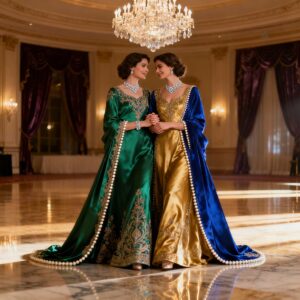
Customisation has emerged as a defining feature of modern women’s fashion, offering an alternative to standardised, mass-produced clothing. As consumers seek individuality, personalised garments allow for greater control over fit, design, and aesthetic direction. This shift reflects a broader movement towards fashion that is not only worn but also co-created. Customisation transforms clothing into a personal statement, reinforcing identity through unique design choices.
The Influence of Technology on Personal Fashion
Advancements in technology have made customisation more accessible than ever before. Digital platforms now allow women to select fabrics, adjust measurements, and visualise designs before purchase. This integration of technology enhances the overall fashion experience, bridging the gap between creativity and practicality. As a result, customisation is no longer limited to luxury ateliers but is increasingly available across various price points.
Precision Fit and Enhanced Wearability
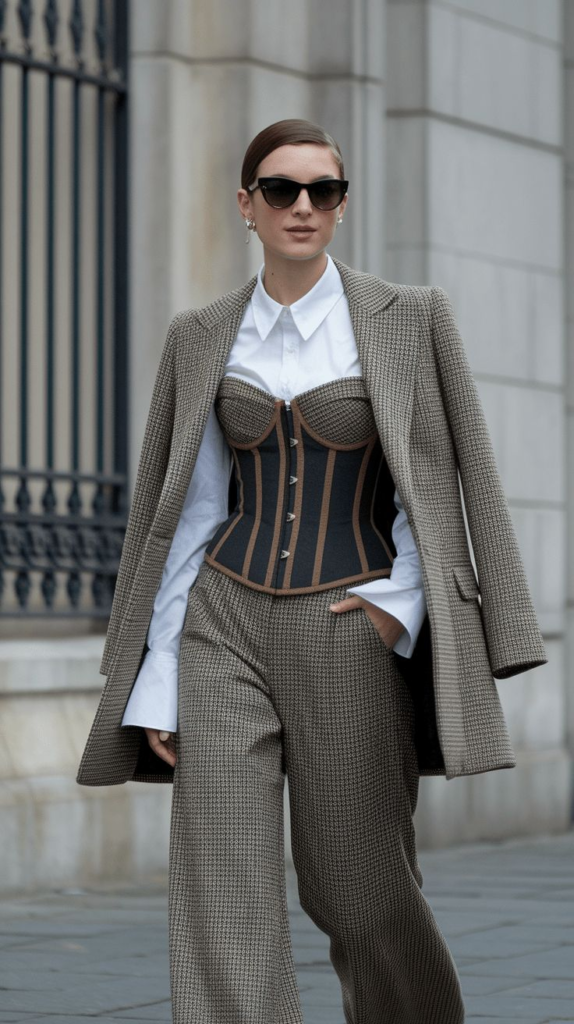
One of the most significant advantages of customisation is the ability to achieve a precise fit. Garments tailored to individual measurements offer superior comfort and a more polished appearance. This precision enhances the overall silhouette, allowing clothing to align seamlessly with the wearer’s body. In women’s fashion, where fit plays a critical role in styling, customisation provides a clear advantage over off-the-rack alternatives.


Sustainability Through Intentional Design
Customisation also contributes to sustainability by encouraging mindful consumption. When garments are designed with intention, they are more likely to be valued and worn over time. This reduces the frequency of replacement and minimises waste.