The influence of 90s fashion continues to shape modern wardrobes through clean design and understated confidence.
Simplicity Feeling Aspirational Again
Fashion’s relationship with minimalism has changed significantly over the last few years. What once felt overly restrained or commercially safe now feels emotionally refreshing within an industry saturated by visual excess. Clean denim, monochrome dressing, slip silhouettes, tanks, tailored outerwear, and simple knitwear have all returned to the centre of contemporary fashion, not as nostalgia alone, but as a reaction to overstimulation. The resurgence of 90s minimalism reflects a growing desire for clothing that feels calm, effortless, and visually intentional.
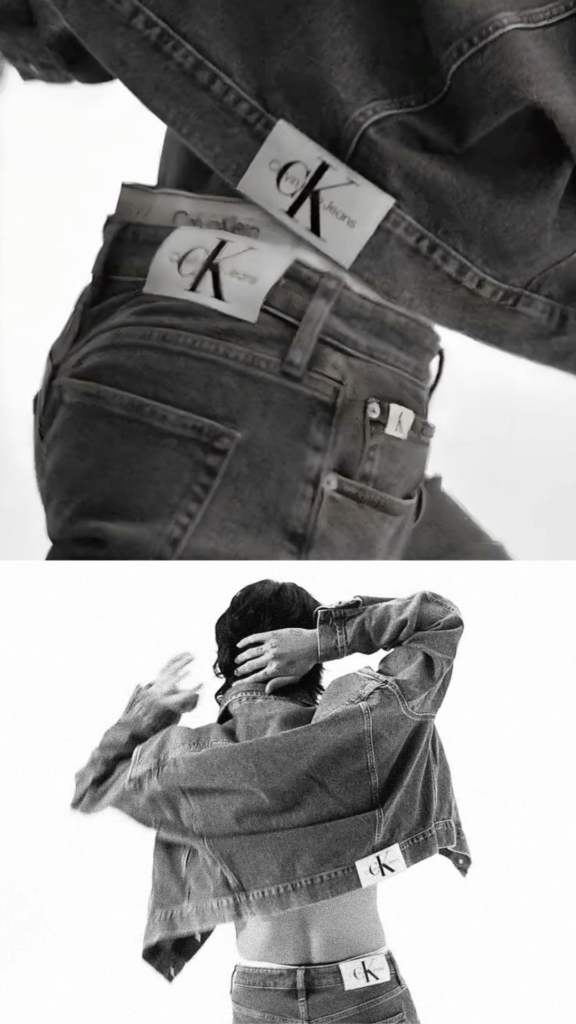
Unlike trend cycles built around spectacle, 90s-inspired minimalism operates through restraint. The aesthetic rarely depends on loud logos, complex styling, or exaggerated silhouettes. Instead, its influence comes from proportion, confidence, and simplicity. This is precisely why it continues resonating across modern wardrobes. Consumers increasingly want fashion that feels adaptable rather than performative. Minimalist dressing offers sophistication without appearing forced.
The appeal also lies in emotional ease. In a culture defined by constant visibility and rapid aesthetic turnover, understated fashion feels grounding. Clean silhouettes communicate confidence because they do not appear dependent on trend validation. That subtlety has become increasingly aspirational within modern luxury culture.
The Return of Effortless Dressing
Part of what makes 90s minimalism so culturally persistent is its ability to balance sensuality with simplicity. The aesthetic feels polished while remaining relaxed, structured while still approachable. Denim paired with white tanks, oversized tailoring, monochrome basics, slip dresses, and refined underwear-inspired styling all communicate a kind of effortless control consumers continue gravitating toward today.
This movement also aligns closely with the broader rise of intentional dressing. Consumers are becoming more selective about building wardrobes that feel cohesive, versatile, and emotionally consistent rather than trend-dependent. Minimalism naturally supports that mindset because it prioritises longevity over novelty.
Social media has amplified the aesthetic further through the popularity of neutral palettes, clean beauty, capsule wardrobes, and understated styling culture. But unlike many digital trends, minimalist fashion carries strong staying power because its appeal is rooted in permanence rather than immediacy.
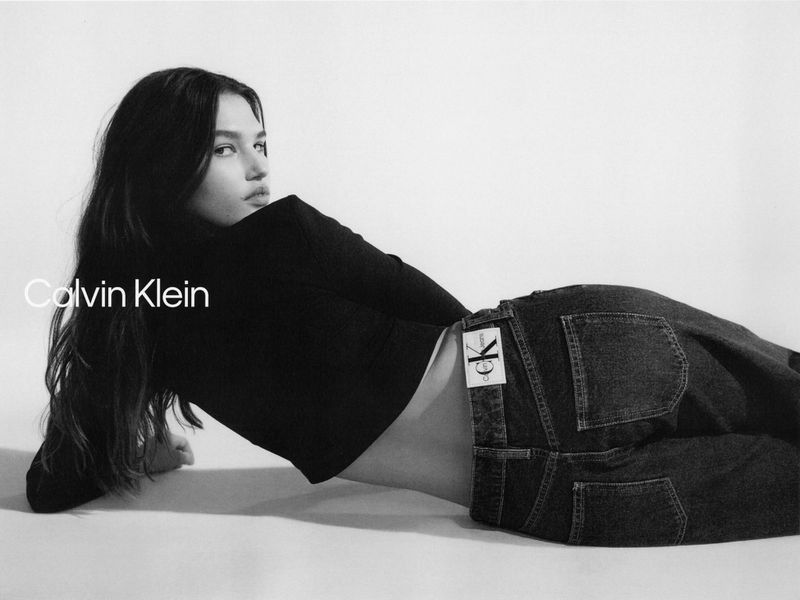
How Calvin Klein Continues Shaping Minimalist Fashion Culture
Few brands remain as closely associated with minimalist fashion as Calvin Klein. The brand helped define the visual language of 90s minimalism through clean silhouettes, understated sensuality, monochrome palettes, denim culture, and iconic basics that continue influencing fashion today. Its campaigns and design identity established simplicity not as absence, but as sophistication.
What keeps Calvin Klein culturally relevant is the consistency of that identity. While fashion trends constantly shift, the brand’s focus on refined essentials, modern tailoring, elevated basics, and minimalist styling continues aligning naturally with contemporary consumer preferences. The aesthetic feels timeless because it avoids overcomplication.
Calvin Klein also reflects the growing demand for fashion that feels wearable across multiple contexts. Consumers increasingly value pieces capable of moving fluidly between casual, elevated, and lifestyle-oriented dressing. Minimalist fashion supports that versatility while still maintaining strong visual identity.
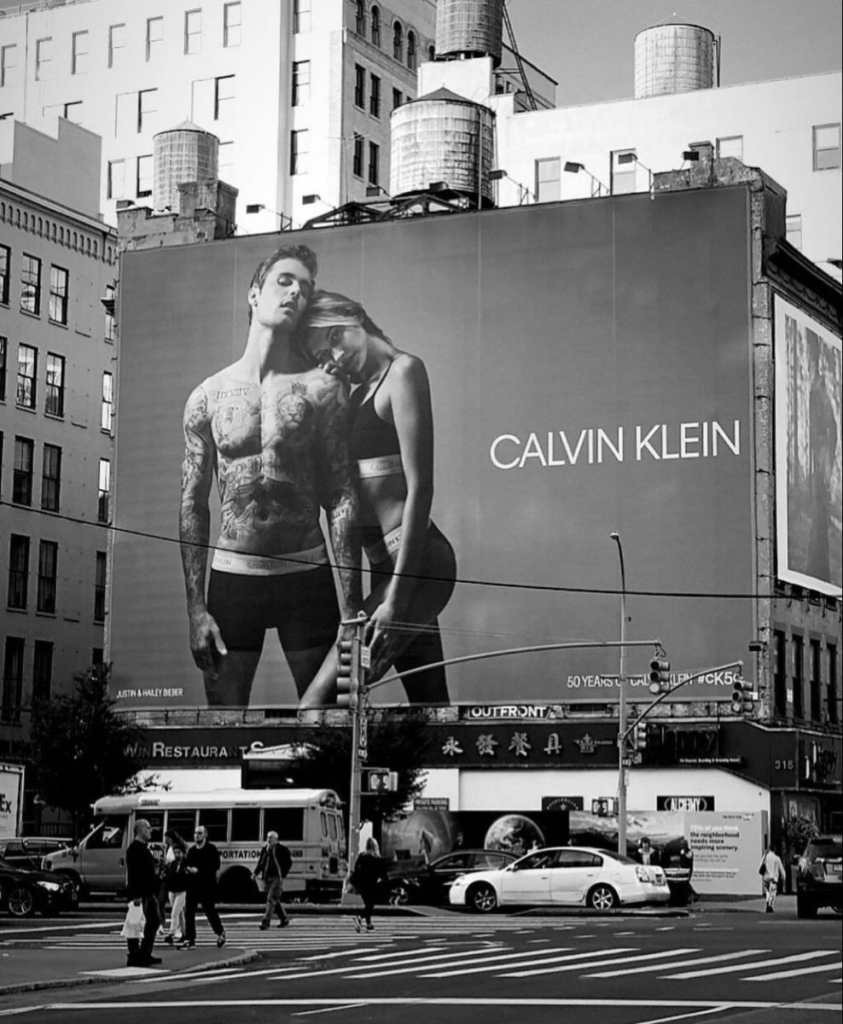
Why Minimalism Continues to Return
The enduring relevance of 90s minimalism ultimately reveals something deeper about fashion psychology. Consumers may engage with trends temporarily, but they repeatedly return to aesthetics that feel emotionally sustainable. Minimalism offers visual clarity within a culture increasingly defined by noise.
That is why clean dressing continues resurfacing across generations. It provides sophistication without excess, sensuality without exaggeration, and confidence without performance. In many ways, the return of 90s minimalism reflects a wider desire for fashion that feels quieter, sharper, and more emotionally effortless.