The resurgence of British style reflects a wider appetite for refinement, practicality, and timeless dressing.
The Return of Understated Fashion Identity
Fashion tends to revisit cultures that feel emotionally relevant to the moment, and British style has returned to the centre of that conversation. Not through theatrical nationalism or overt nostalgia, but through aesthetics rooted in restraint, practicality, and sophistication. Tailored outerwear, countryside-inspired textures, heritage fabrics, structured layering, and muted palettes are increasingly shaping contemporary luxury fashion across Europe and beyond. In an industry often dominated by fleeting trends, British fashion feels grounded in a way consumers are beginning to value again.
Part of the appeal lies in balance. British style rarely depends on excessive glamour or obvious display. Instead, it communicates refinement through detail, structure, and subtle confidence. The aesthetic feels polished without appearing overworked, which aligns closely with the wider shift toward understated luxury currently influencing fashion culture. Consumers are increasingly moving away from clothing designed purely for visibility and toward wardrobes that feel versatile, intelligent, and enduring.
Why British Aesthetics Feel Relevant Again
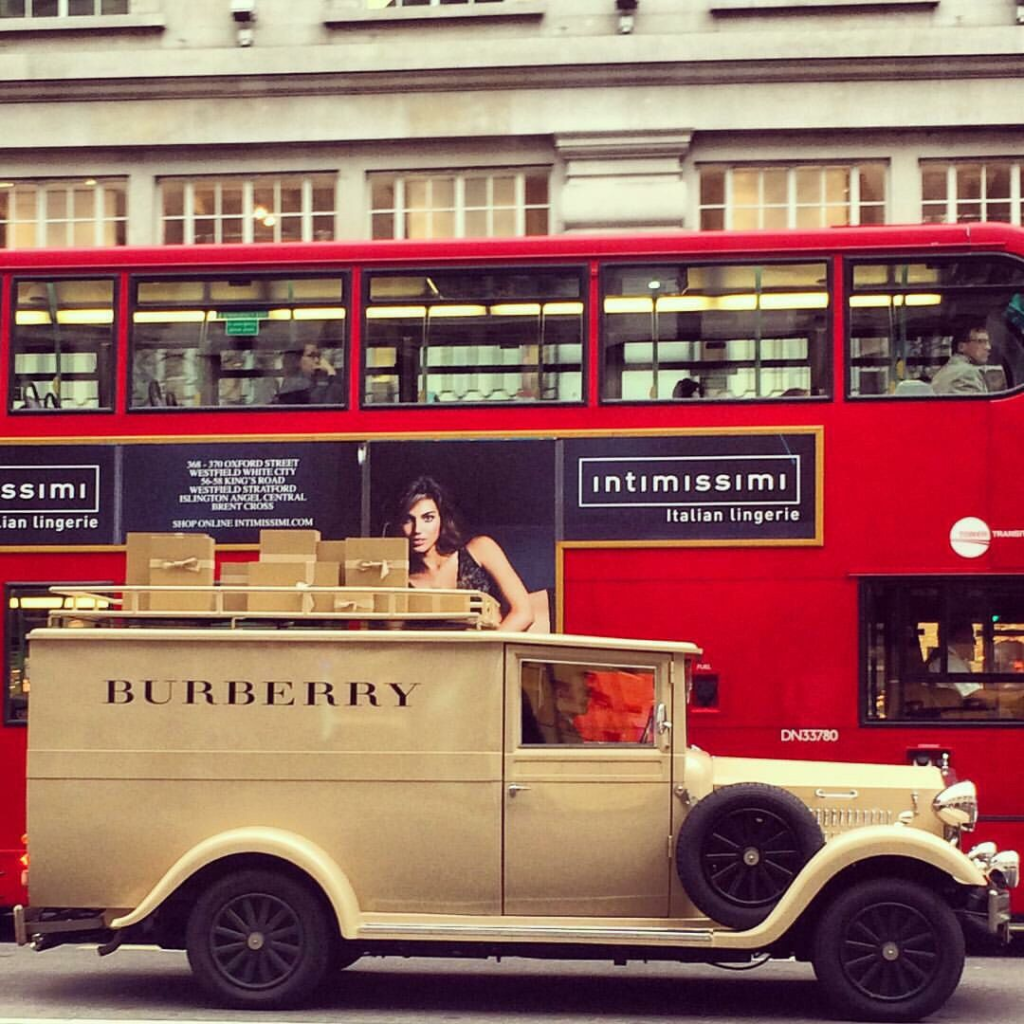
The renewed fascination with British fashion also reflects a broader cultural preference for functionality within luxury. As consumers become more intentional about what they buy, practicality is no longer viewed as separate from sophistication. Outerwear designed for unpredictable weather, structured tailoring intended for longevity, and classic fabrics associated with durability all feel increasingly aspirational in today’s market.
At the same time, British fashion carries strong visual associations that continue resonating globally. London’s relationship with music, tailoring, art, street culture, and heritage dressing has created an aesthetic identity that feels both historic and adaptable. Elements of traditional British style are constantly reinterpreted through contemporary fashion, allowing them to remain culturally relevant without feeling frozen in the past.
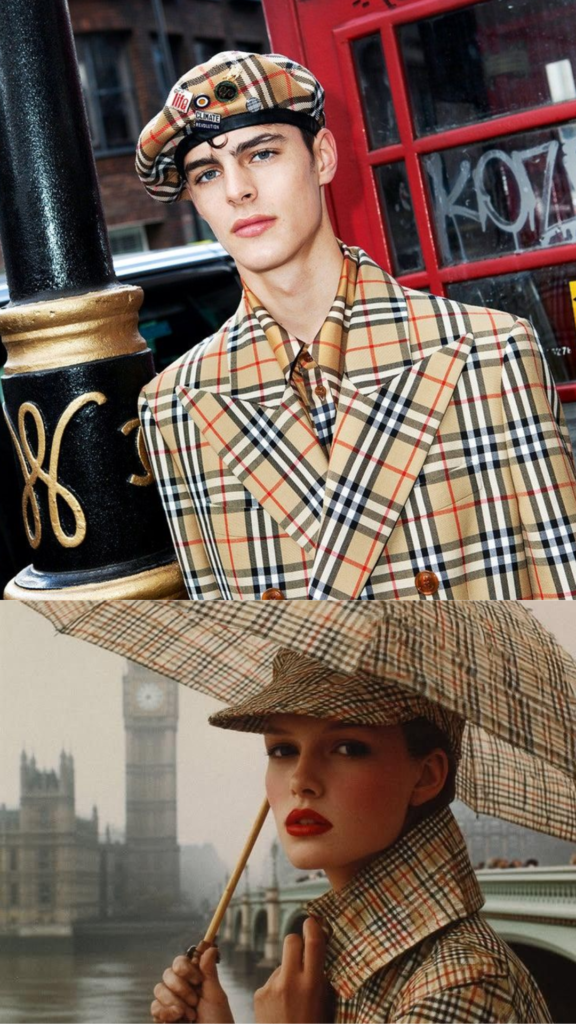
This is particularly visible in the growing popularity of trench coats, checked patterns, oversized scarves, riding boots, wool tailoring, and countryside-inspired layering. These pieces no longer feel reserved for heritage dressing alone. They now exist comfortably within modern luxury wardrobes because they represent permanence in an industry increasingly shaped by rapid consumption.
How Burberry Continues Shaping Modern British Luxury
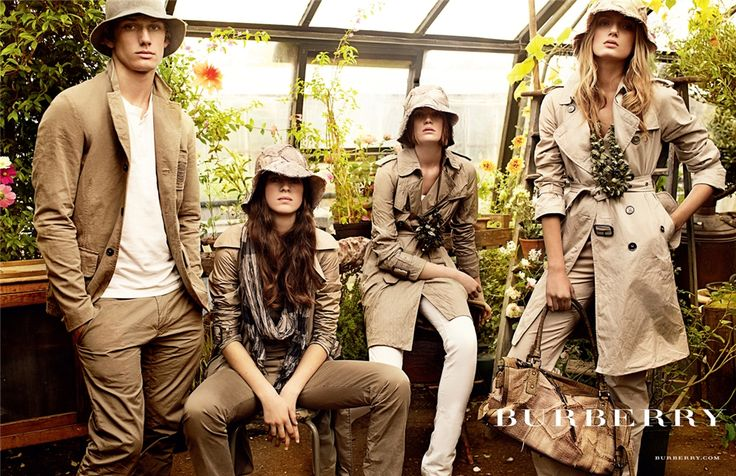
Few brands embody this evolution as naturally as Burberry. Deeply associated with British craftsmanship and outerwear heritage, the house has played a significant role in shaping how British luxury is perceived internationally. Its trench coats, refined tailoring, and instantly recognisable design codes have become cultural symbols of understated sophistication rather than trend-driven fashion alone.
What makes Burberry particularly relevant within today’s fashion landscape is its ability to modernise British heritage without losing the qualities that made it iconic in the first place. The brand consistently balances tradition with contemporary styling, allowing archival aesthetics to feel current rather than nostalgic. Its visual identity remains rooted in practicality and craftsmanship while still engaging with modern luxury audiences through elevated silhouettes, contemporary campaigns, and refined minimalism.
Burberry also aligns naturally with the growing demand for fashion that feels emotionally grounded and visually enduring. In a market increasingly saturated with temporary aesthetics, brands associated with consistency and recognisable identity hold greater cultural weight.
Why British Fashion Continues to Endure
The resurgence of Britishness within contemporary fashion ultimately reflects more than aesthetic preference alone. It signals a wider cultural movement toward restraint, permanence, and sophistication that feels lived-in rather than performative. Consumers are becoming increasingly selective about the identities they communicate through fashion, and British style offers something many trends struggle to sustain: credibility.
Its appeal lies in the fact that it does not demand attention aggressively. Instead, it builds influence through refinement, practicality, and continuity. In today’s fashion landscape, that quieter form of luxury feels increasingly powerful.