Consumers are no longer buying solely for function. They are buying for atmosphere, identity, and routine.
Curation of Everyday Life
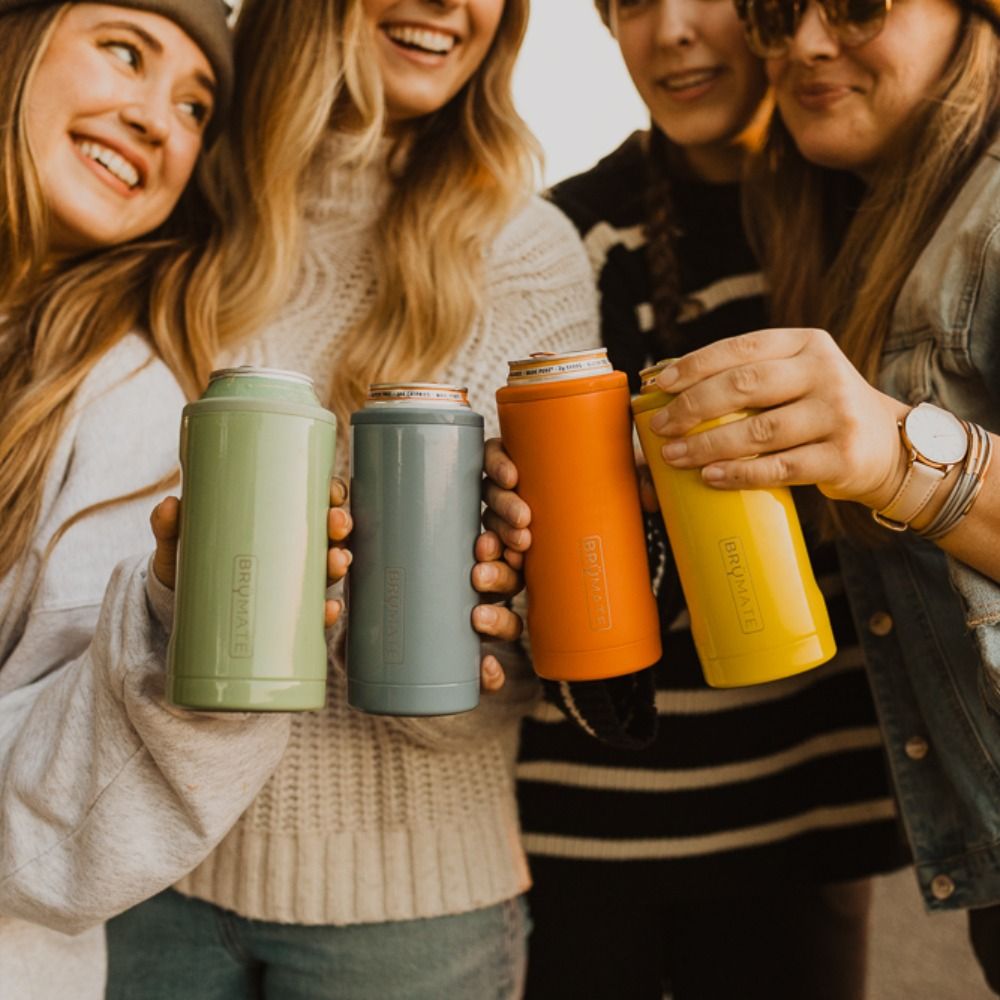
Somewhere between wellness culture, social media, and lifestyle branding, ordinary routines stopped feeling ordinary. Morning coffee became a ritual. Hydration became part of personal aesthetics. Desk setups, gym bags, airport essentials, and even reusable drinkware slowly entered the same visual space once occupied exclusively by fashion and beauty. Consumers are no longer separating utility from identity. Increasingly, the products people carry throughout the day communicate lifestyle just as clearly as clothing does.
This shift reflects a broader cultural movement toward intentional living. Modern consumers want environments and routines that feel visually cohesive, emotionally calming, and personally expressive. Everyday objects are now expected to contribute to the atmosphere rather than simply fulfill practical needs. Colour palettes, textures, portability, and design language all influence purchasing behaviour in categories that were once viewed as purely functional. A water bottle is no longer just a water bottle. It becomes part of a desk aesthetic, travel identity, fitness routine, or social lifestyle.
The Rise of Lifestyle Utility
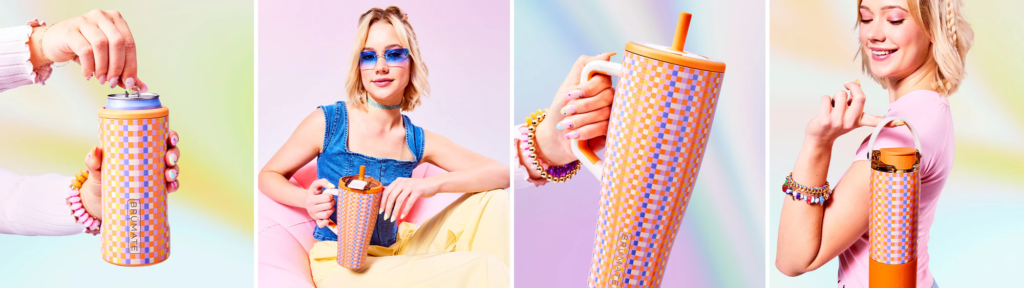
The growing aestheticisation of routine has also changed the relationship consumers have with convenience. Practicality alone no longer feels aspirational. Consumers increasingly expect utility products to feel elevated, adaptable, and visually aligned with the rest of their lifestyle choices. This explains the popularity of sleek drinkware, curated travel accessories, insulated tumblers, and minimalist everyday carry products across lifestyle culture.
Much of this movement is tied to emotional consumption. Small routines now hold greater cultural importance because they create moments of control and familiarity within fast-moving daily life. Products associated with those routines naturally become more emotionally significant as well. Consumers are not only purchasing functionality. They are investing in experiences that feel calmer, more refined, and more personalised.
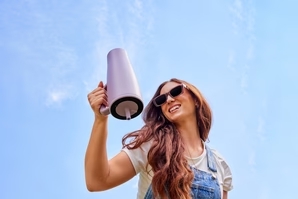
The visual culture surrounding wellness and productivity has amplified this behaviour further. Lifestyle accessories increasingly appear within fashion content, “day in my life” videos, workspace photography, fitness culture, and travel aesthetics because consumers now view everyday objects as part of broader self-presentation.
How BrüMate Reflects the Shift Toward Lifestyle-Led Design
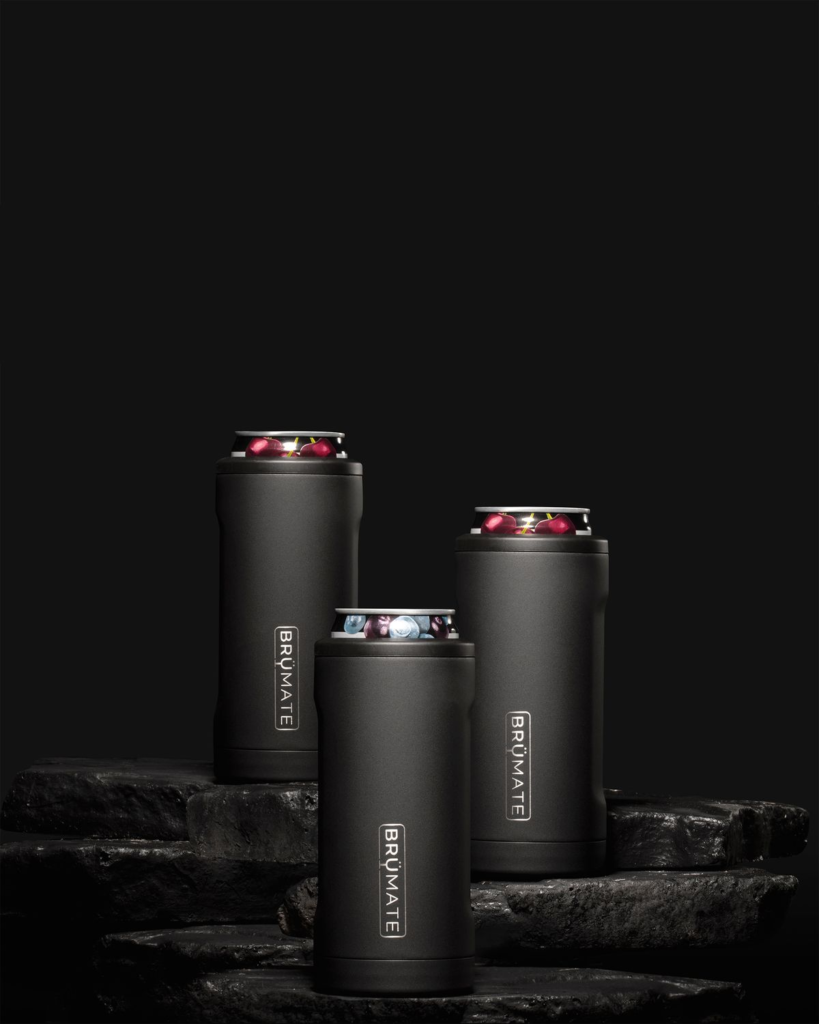
Brands like BrüMate reflect this evolution particularly well by positioning functional products within a lifestyle-oriented visual culture. Known for insulated drinkware, coolers, and portable beverage accessories, the brand aligns practicality with aesthetic design in a way that resonates strongly with modern consumers. Rather than focusing solely on performance, products are presented through colour, portability, routine integration, and lifestyle adaptability.
This approach feels increasingly relevant because consumers now expect everyday accessories to fit seamlessly into multiple parts of life simultaneously. A tumbler may move from workspace to gym to travel setting within the same day, making versatility and visual appeal equally important. BrüMate’s emphasis on design-forward functionality reflects the broader shift toward products that feel both practical and expressive rather than purely utilitarian.
The brand also aligns naturally with the growing popularity of curated lifestyle culture online, where even small daily rituals are documented visually. In that environment, functionality alone is rarely enough. Consumers increasingly gravitate toward products that contribute aesthetically to the routines they value most.
Why Everyday Design Matters More Than Ever
The aestheticisation of routine ultimately reflects a deeper change in consumer priorities. People are placing greater emotional value on the texture of everyday life itself. Small rituals, familiar objects, and visually calming routines increasingly provide comfort within a culture shaped by overstimulation and constant movement.
That is why everyday accessories have become culturally significant in ways they previously were not. Consumers are no longer purchasing solely around necessity. They are purchasing around feeling. And increasingly, the products that succeed are the ones capable of turning ordinary routines into experiences that feel intentional, expressive, and quietly elevated.