From coffee tumblers to insulated drinkware, practical products are becoming part of curated digital aesthetics.
When Utility Became Visual
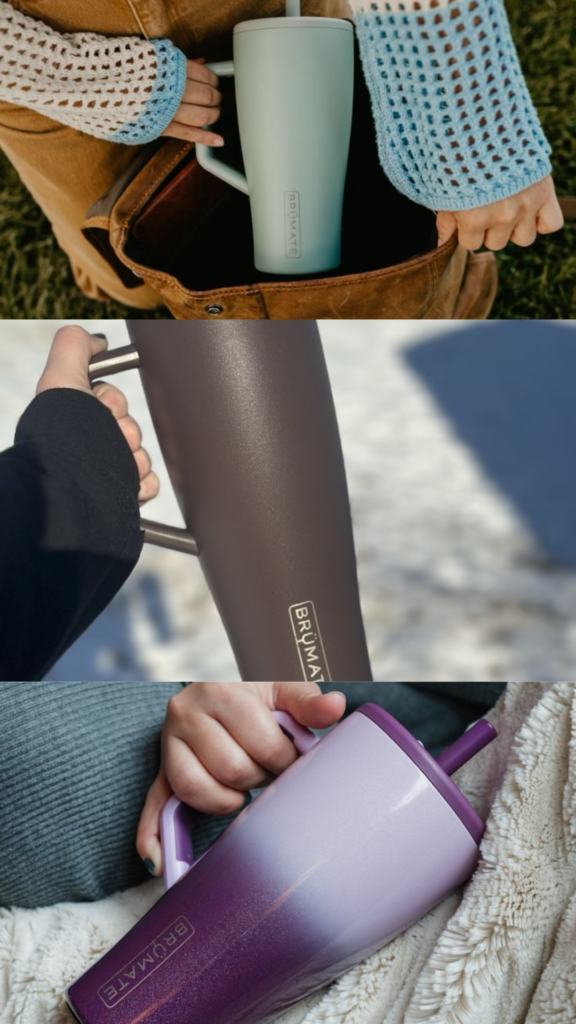
Social media has fundamentally changed the way consumers interact with products. Objects that once existed quietly in the background of daily life now appear constantly within curated digital spaces. Water bottles sit beside skincare collections. Coffee tumblers appear in airport photos, gym content, and workspace aesthetics. Coolers, travel accessories, and everyday carry items increasingly occupy the same visual territory as fashion, beauty, and interior design.
The shift may seem subtle, but it reveals something significant about modern consumer culture. Practicality alone no longer determines value. Consumers increasingly expect everyday products to contribute visually to the lifestyles they present online. Design, colour coordination, portability, and aesthetic cohesion now influence purchasing behaviour just as strongly as functionality itself.
This evolution has created what could best be described as aesthetic utility. Products are expected to work efficiently while also fitting seamlessly into a broader visual identity consumers build around wellness, travel, productivity, and leisure.
The Influence of Digital Lifestyle Culture
Platforms like Instagram and TikTok accelerated this movement by transforming routine into content. Morning coffee runs, desk organisation, fitness routines, road trips, and travel preparation all became part of aspirational digital storytelling. As audiences consumed these highly curated routines, lifestyle products naturally became more culturally visible.
Consumers now associate certain objects with specific versions of modern identity. Minimal drinkware suggests organisation and wellness. Oversized tumblers connect to productivity culture. Portable accessories align with mobility and travel-oriented lifestyles. Even colour palettes influence perception, with muted neutrals and soft tones increasingly associated with calmness, refinement, and aesthetic sophistication.
This explains why lifestyle products increasingly resemble fashion accessories in both marketing and consumer behavior. They no longer function purely as supportive objects. They operate as subtle forms of self-expression embedded into everyday routines.
How BrüMate Aligns With Modern Lifestyle Design
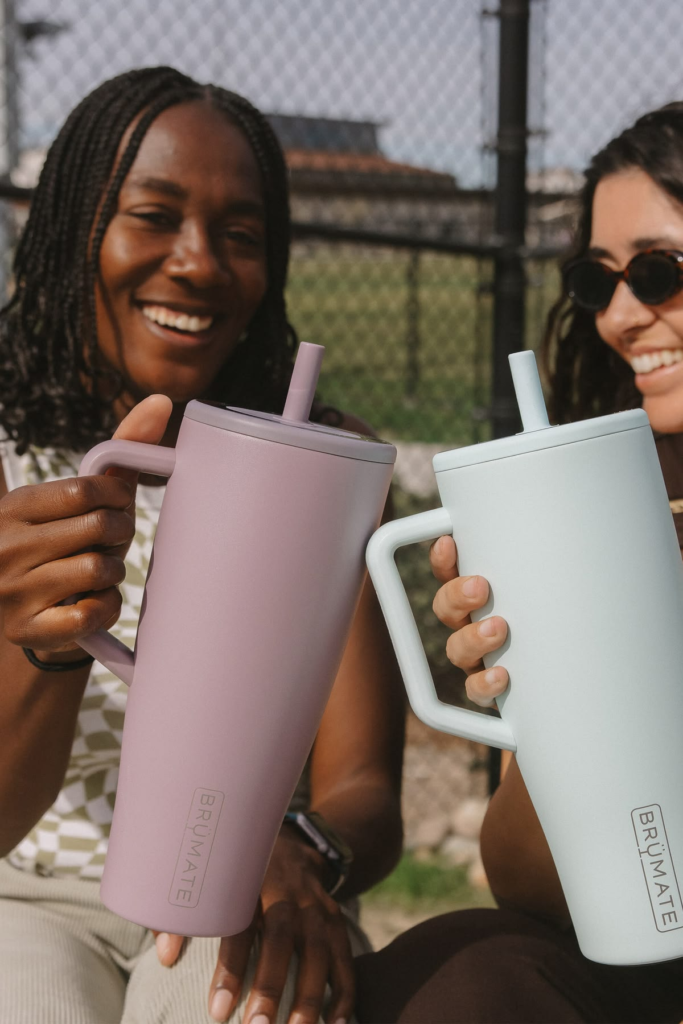
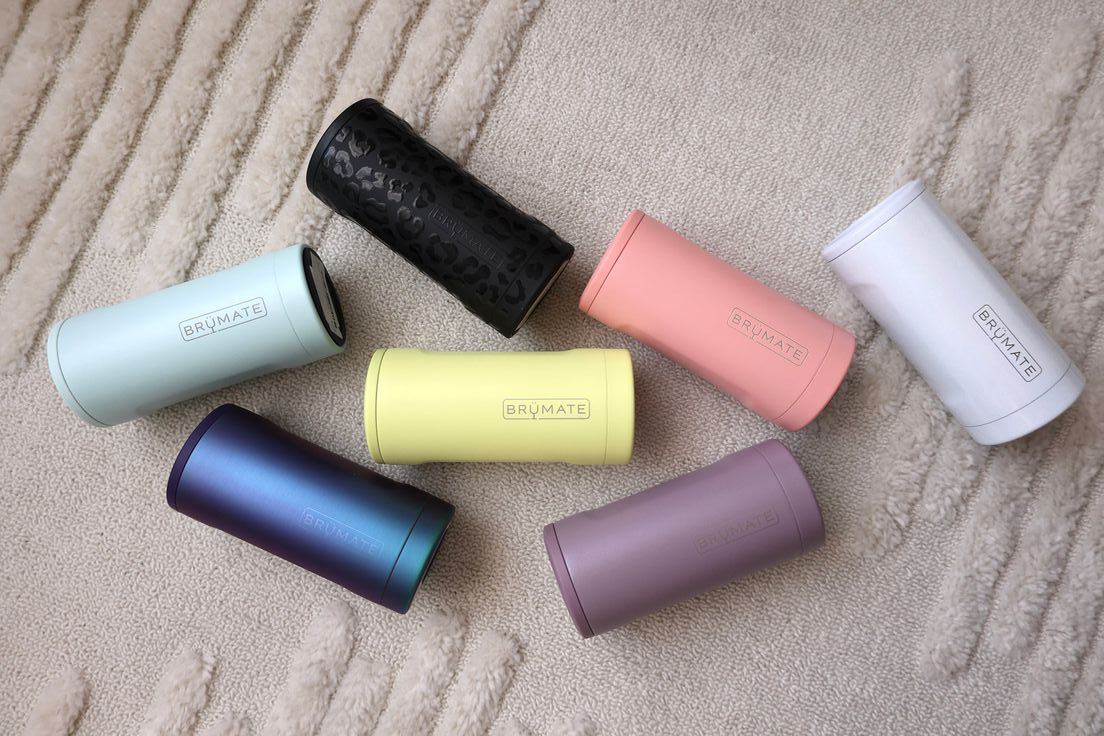
Brands like BrüMate have positioned themselves effectively within this changing consumer landscape by understanding that utility products now exist within a visually driven culture. The brand’s insulated drinkware and lifestyle accessories combine portability and performance with design-forward aesthetics that align naturally with contemporary digital lifestyles.
Rather than approaching drinkware purely from a technical perspective, BrüMate reflects the growing demand for products that integrate seamlessly into modern routines while still feeling visually intentional. Sleek finishes, colour-focused collections, and adaptable everyday functionality allow products to move fluidly between workspaces, travel settings, fitness environments, and social occasions.
This balance between practicality and aesthetic relevance has become increasingly important as consumers place greater emphasis on products that contribute positively to both lifestyle and visual identity.
The Future of Consumer Design Is Emotional
The growing visibility of everyday products within digital culture ultimately reveals how deeply emotional modern consumption has become. Consumers are not simply buying objects for isolated use anymore. They are buying products that support a certain rhythm of life, aesthetic atmosphere, or personal identity.
In today’s culture, even the smallest accessories participate in self-presentation. The rise of aesthetic utility reflects a broader movement toward intentional living, where design matters not because consumers are superficial, but because visual environments increasingly shape emotional experience itself.