From theatre productions to immersive concerts, fashion is becoming a form of emotional storytelling once again.
The Emotional Fatigue Behind Modern Fashion
The most influential fashion movements rarely emerge from clothing alone. They emerge from a collective mood. Right now, that mood is defined by overstimulation. Consumers exist in a cycle of endless scrolling, accelerated trend turnover, and aesthetics that disappear almost as quickly as they appear. In response, fashion is beginning to move away from hyper-minimal realism and toward something far more emotionally charged. Fantasy is returning to culture, not as excess, but as relief.
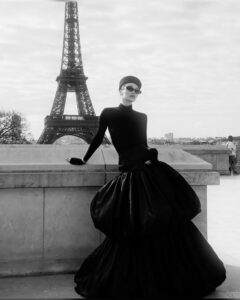
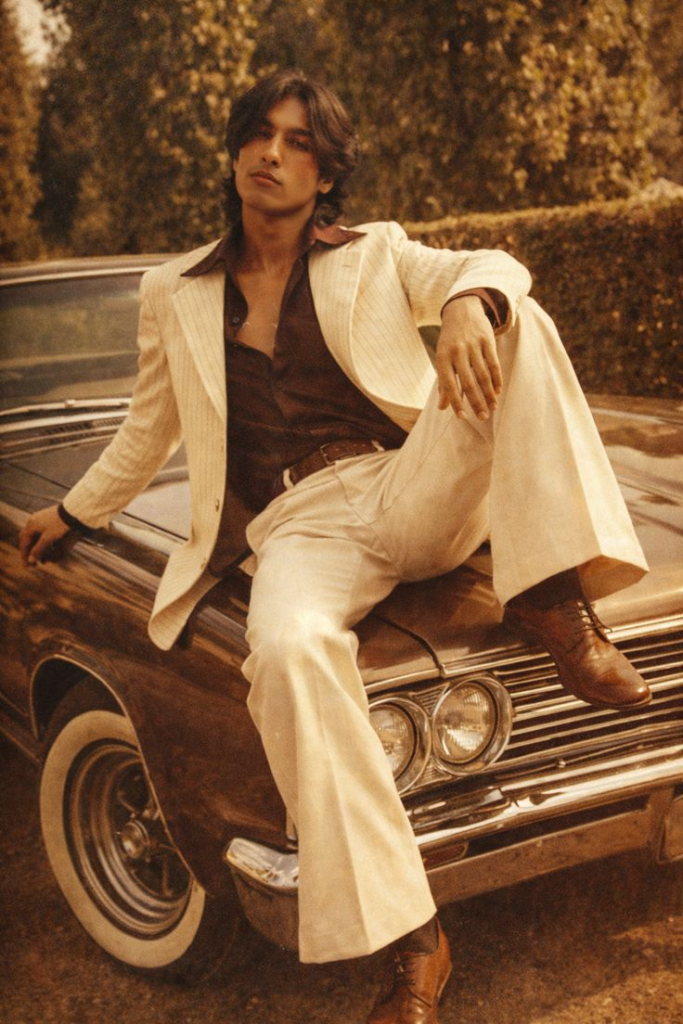
This explains why contemporary style suddenly feels more cinematic. Rich textures, vintage glamour, dark romance, dramatic silhouettes, and nostalgic references are resurfacing across both luxury and mainstream fashion. Consumers are gravitating toward clothing that creates atmosphere rather than simply functionality. The appeal lies in emotional transportation. Fashion today is increasingly being used to soften reality, romanticise routine, and create moments that feel slightly removed from ordinary life.
Why Live Entertainment Is Influencing Style Again
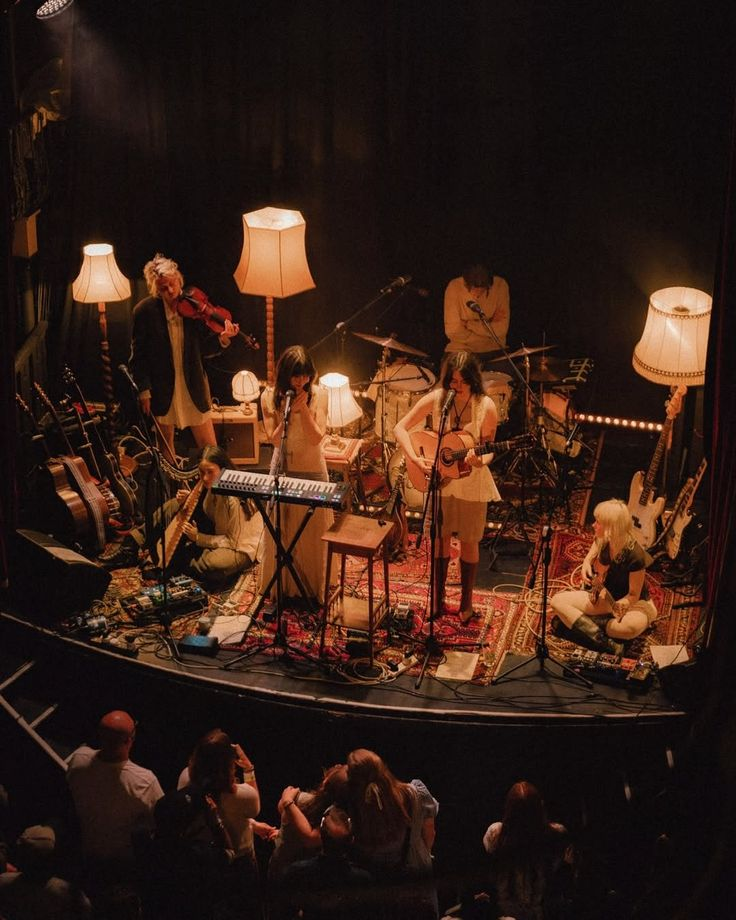
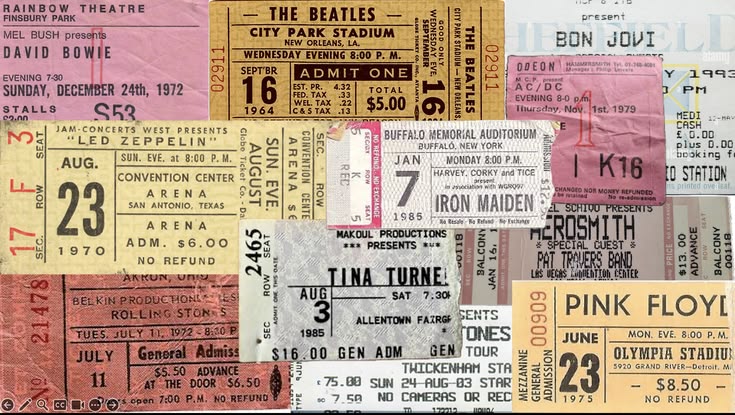
At the centre of this shift sits the growing cultural relevance of live entertainment. Theatre, musicals, concerts, and immersive productions offer something digital culture struggles to replicate: emotional presence. Unlike algorithm-driven content, live performances create temporary worlds audiences physically enter. The lighting, sound, costume design, stage aesthetics, and emotional intensity all contribute to experiences that feel immersive rather than passive.
Fashion naturally absorbs that energy. Audiences exposed to visually rich productions often carry fragments of those aesthetics back into everyday dressing. A sharply tailored coat after a noir-inspired performance. Velvet textures after a theatrical revival. Glitter eyeliner after a concert built around nostalgia and spectacle. Entertainment culture now influences fashion less through direct imitation and more through emotional residue. Consumers are dressing according to feeling rather than trend prescription.
This also explains the growing popularity of what many describe as “intentional dressing.” Outfits are becoming less transactional and more experiential. People increasingly want clothing that reflects mood, atmosphere, and identity rather than purely practicality. In many ways, fashion has started functioning similarly to storytelling. The objective is no longer simply to look attractive. It is to create an emotional presence.
How ATG Tickets Connects to Experience-Led Culture
As audiences place greater value on emotionally immersive experiences, platforms like ATG Tickets have become increasingly connected to broader lifestyle and cultural behaviour. The platform’s access to major theatre productions, live performances, concerts, and touring events places it within a growing consumer economy centred around atmosphere and experience rather than material ownership alone.
What makes this especially relevant within contemporary culture is how live entertainment now shapes surrounding industries beyond performance itself. Productions associated with strong visual identity often influence beauty trends, social behaviour, hospitality culture, and fashion aesthetics simultaneously. Consumers are no longer engaging with entertainment as isolated spectators. They build evenings, styling choices, and social experiences around it. Through its wide range of productions and events, ATG Tickets operates within a cultural space where entertainment increasingly functions as both emotional escape and lifestyle inspiration.
The Return of Atmosphere in Consumer Culture
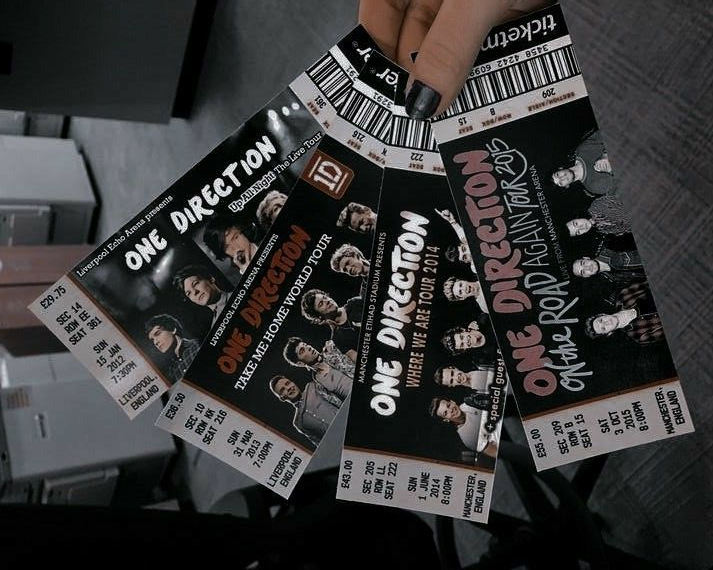
Fashion’s renewed fascination with escapism ultimately reflects a wider rejection of emotional flatness. Consumers are searching for texture again. Atmosphere again. Imagination again. In a culture where efficiency and constant visibility dominate daily life, aesthetics that feel transporting naturally become more desirable.
This is why fashion is becoming more expressive without necessarily becoming louder. The shift is not about maximalism for the sake of attention. It is about emotional resonance. Consumers want experiences, clothing, and environments that make ordinary life feel slightly more cinematic. And increasingly, the worlds created through live entertainment are giving fashion exactly the kind of inspiration modern consumers have been craving.