Consumers are increasingly gravitating toward clean silhouettes, neutral palettes, and timeless styling.
Fashion Is Moving Away From Visual Noise
The most influential shifts in fashion often begin as reactions. Right now, the growing appeal of clean dressing reflects a wider exhaustion with excess. Trend cycles have become faster, aesthetics more temporary, and social media increasingly saturated with visual intensity. Against that backdrop, simplicity suddenly feels powerful again. Consumers are gravitating toward wardrobes built around clarity rather than complexity, where clean silhouettes and restrained styling communicate confidence more effectively than overt statement dressing.
This movement extends far beyond minimalism alone. Clean dressing represents a broader cultural preference for intentionality. Neutral palettes, refined basics, structured outerwear, relaxed tailoring, and understated styling all suggest a sense of control that modern consumers increasingly value. The appeal lies not in appearing plain, but in appearing composed.
In many ways, dressing clean has become a visual form of calmness. Fashion no longer needs to compete aggressively for attention to feel aspirational. Increasingly, sophistication is communicated through restraint.
The Psychology of Understated Style
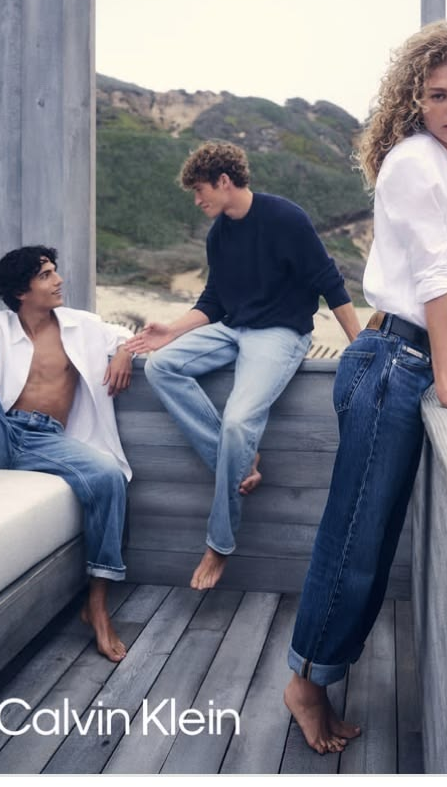
Part of the appeal behind clean dressing comes from its versatility. Consumers today move fluidly between professional, social, and lifestyle environments, making adaptable wardrobes more desirable than heavily trend-specific clothing. Clean fashion supports this flexibility because it prioritises timelessness over seasonal novelty.
There is also a psychological dimension to the movement. Understated dressing often communicates certainty. Unlike highly performative fashion trends, clean styling rarely appears dependent on external validation. It suggests comfort within personal identity rather than constant reinvention. That emotional stability has become increasingly aspirational within contemporary fashion culture.
The rise of quiet luxury, capsule wardrobes, elevated basics, and refined minimalism all reflect this wider preference for fashion that feels grounded and wearable. Consumers are no longer seeking endless accumulation. They are becoming more selective about pieces that integrate naturally into long-term personal style.
How Calvin Klein Reflects the Return of Clean Fashion
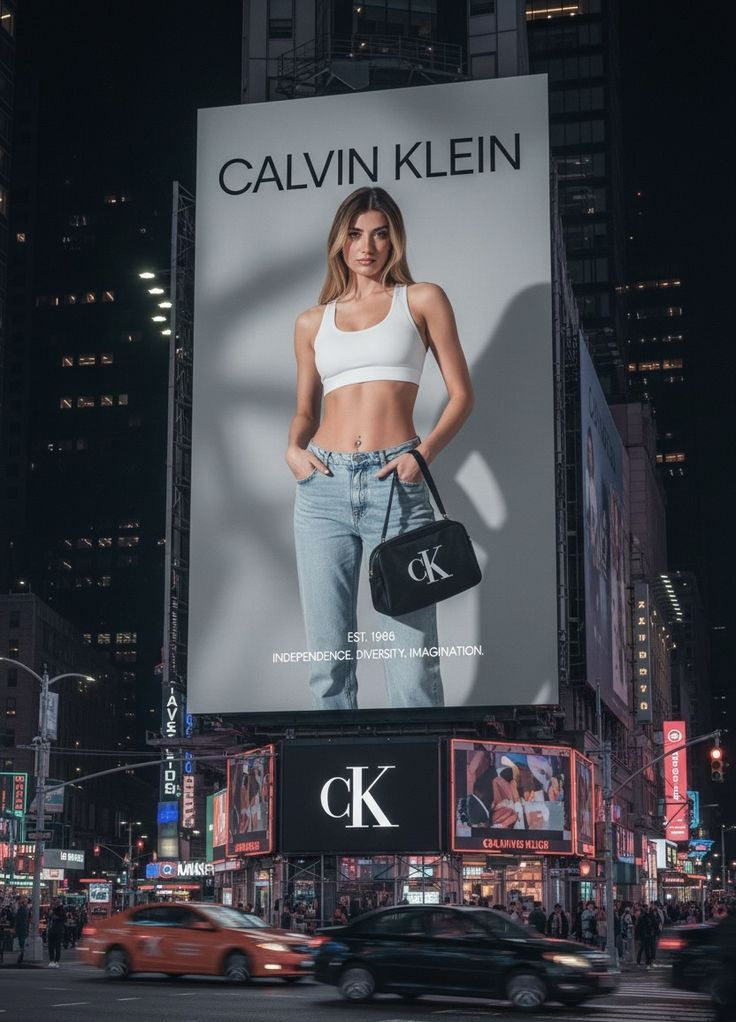
Brands like Calvin Klein continue to resonate strongly within this landscape because their design language aligns naturally with contemporary preferences for simplicity and refinement. Long associated with minimalist silhouettes, monochrome styling, elevated basics, and understated sensuality, the brand helped shape many of the aesthetics now re-emerging across modern fashion culture.
What distinguishes Calvin Klein particularly well is its consistency. Rather than chasing constant reinvention, the brand continues building around clarity, wearability, and timeless visual identity. This feels increasingly relevant within a market where consumers are becoming more intentional about longevity and versatility in fashion.
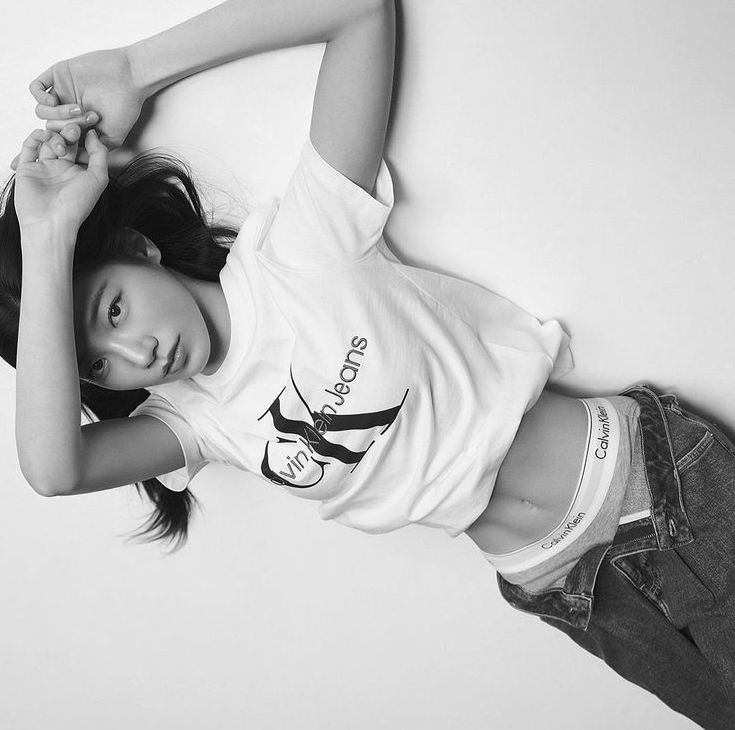
The brand’s emphasis on clean tailoring, premium essentials, and minimalist styling also reflects the broader shift toward clothing that feels effortless rather than overly constructed. In today’s fashion landscape, that restraint often carries more cultural influence than overt trend-driven design.
Why Clean Dressing Feels Contemporary
The growing popularity of clean fashion ultimately reflects a wider cultural desire for simplicity within overstimulated environments. Consumers are becoming more conscious of how clothing affects not only appearance, but emotional experience itself. Fashion that feels visually calm naturally becomes more appealing within fast-moving digital culture.
This is precisely why clean dressing feels modern again. It offers clarity without sacrificing sophistication. Rather than relying on constant novelty, it creates impact through proportion, texture, and restraint. And increasingly, that quieter form of confidence is defining the direction contemporary fashion is moving toward.