Luxury consumers are increasingly drawn toward craftsmanship, permanence, and recognisable design
When Familiarity Starts Feeling Luxurious
Fashion has entered an interesting phase where recognisability carries more cultural value than novelty. In a landscape overwhelmed by rapidly shifting aesthetics, algorithm-driven microtrends, and constant visual consumption, consumers are beginning to gravitate toward something noticeably calmer: fashion that already knows exactly what it is. Heritage brands, archival silhouettes, and enduring design codes suddenly feel more relevant precisely because they resist the pressure to endlessly reinvent themselves.
This shift reveals a growing exhaustion with disposable fashion culture. Consumers still want modernity, but they no longer want it at the expense of identity or longevity. Pieces associated with heritage fashion carry emotional familiarity attached to them. A trench coat, structured tailoring, muted outerwear, or an instantly recognisable pattern communicates continuity in a cultural moment increasingly defined by impermanence. The appeal lies not only in aesthetics, but in reassurance. Heritage fashion feels dependable in an industry built around acceleration.
The Return of Emotional Permanence
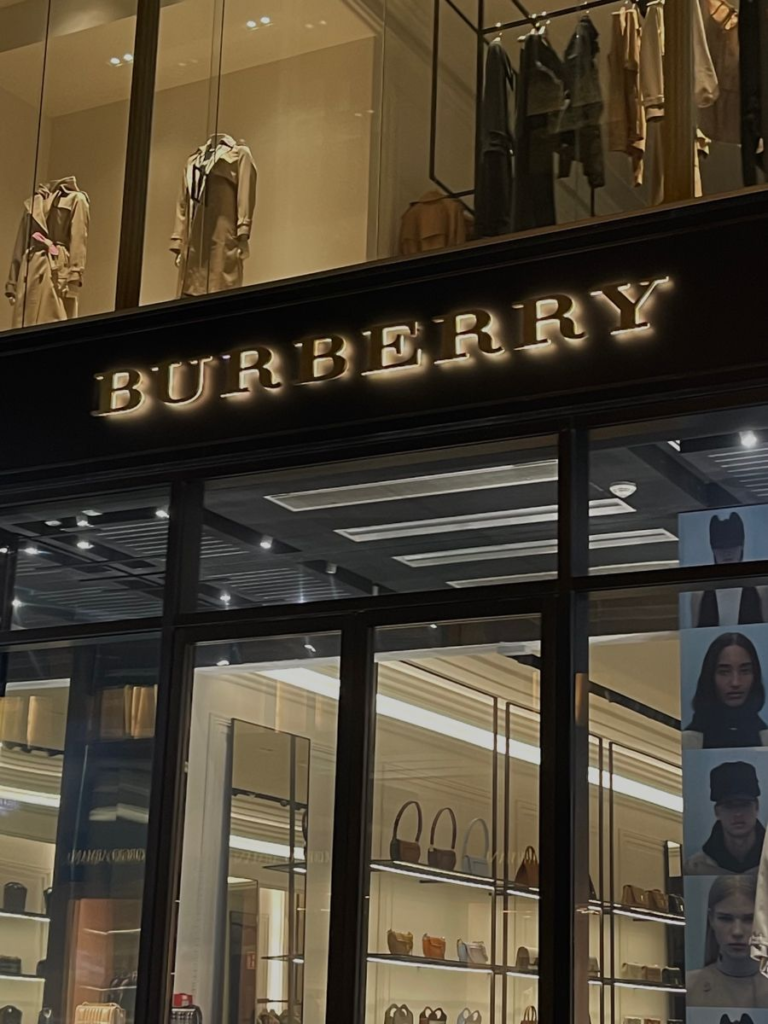
Luxury fashion today is increasingly shaped by emotional value rather than spectacle alone. Consumers still want sophistication, but they are becoming more selective about how that sophistication is communicated. Loud branding and aggressively trend-driven aesthetics no longer carry the same aspirational power they once did. Instead, consumers are gravitating toward fashion that feels quieter, more rooted, and capable of existing beyond a single season.
This explains the growing fascination with archival fashion and timeless design language. Heritage aesthetics communicate stability in a cultural landscape that often feels fragmented and temporary. Structured tailoring, refined outerwear, muted palettes, and enduring craftsmanship all align with the broader return of understated luxury. Rather than purchasing clothing purely for visibility, consumers are increasingly investing in pieces that hold narrative, identity, and longevity.
The resurgence of heritage fashion also reflects a wider shift in how luxury itself is perceived. Exclusivity alone no longer feels sufficient. Consumers want brands that feel culturally established, emotionally credible, and visually consistent over time. In many ways, heritage has become a form of trust within contemporary fashion culture.
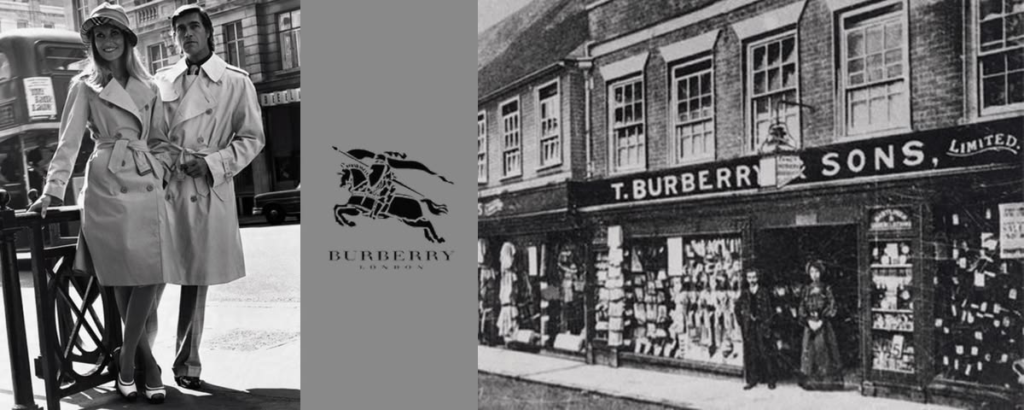
How Burberry Reflects the Return of Heritage Luxury
Few brands reflect this movement more naturally than Burberry. Long associated with British craftsmanship, timeless outerwear, and recognisable design identity, the brand occupies a unique position within modern luxury because its heritage feels embedded rather than artificially constructed. Pieces such as the Burberry trench coat have remained culturally relevant across decades precisely because they balance practicality with enduring visual sophistication.
What makes Burberry particularly relevant today is how effectively the brand aligns its legacy with contemporary consumer sensibilities. Rather than relying solely on nostalgia, the house continues reinterpreting its archival identity through modern tailoring, elevated minimalism, and refined storytelling. The balance between heritage and reinvention allows the brand to remain recognisable without feeling static. In an industry often driven by rapid aesthetic turnover, that consistency becomes increasingly valuable.
Burberry also reflects the growing consumer preference for fashion that feels emotionally anchored. Its visual language communicates refinement without excessive performance, which aligns closely with the broader movement toward quieter forms of luxury consumption.
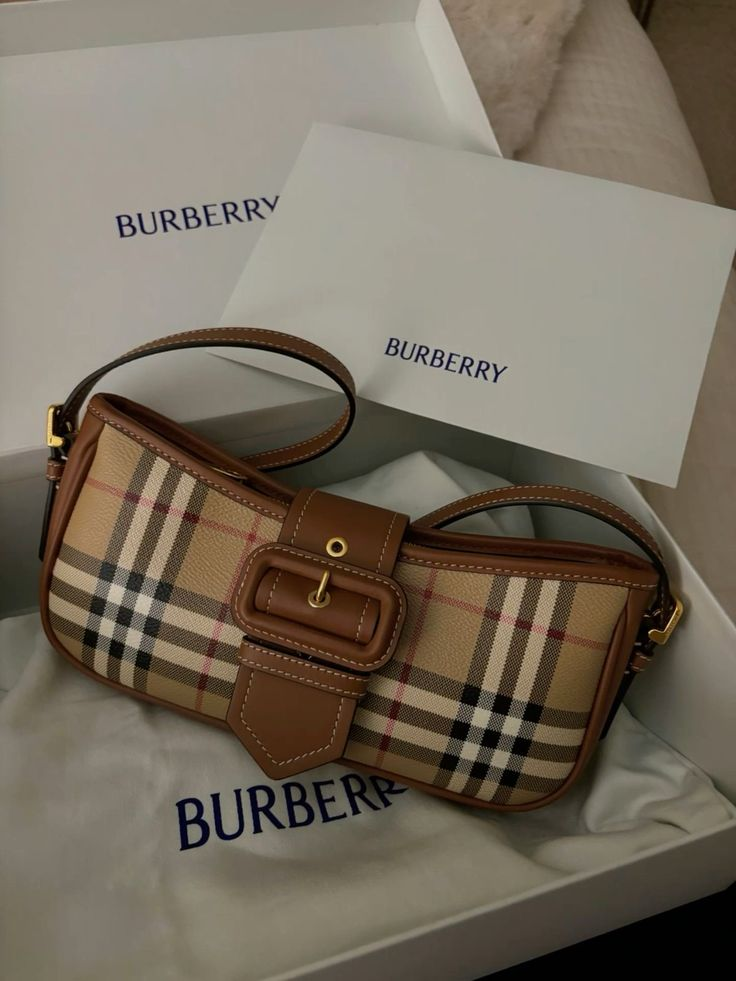
Why Heritage Feels Modern Again
Fashion trends rarely operate in isolation from cultural mood. The return of heritage fashion reflects a broader desire for stability, permanence, and emotional familiarity in a time defined by acceleration and constant change. Consumers are no longer impressed by novelty alone. They are searching for meaning, continuity, and pieces capable of existing beyond temporary trend cycles.
That is precisely why heritage fashion feels newly relevant rather than outdated. It offers something contemporary consumers increasingly value: the reassurance of longevity. In a fashion landscape saturated with fast-moving aesthetics, clothing that feels enduring has become one of luxury’s strongest statements.