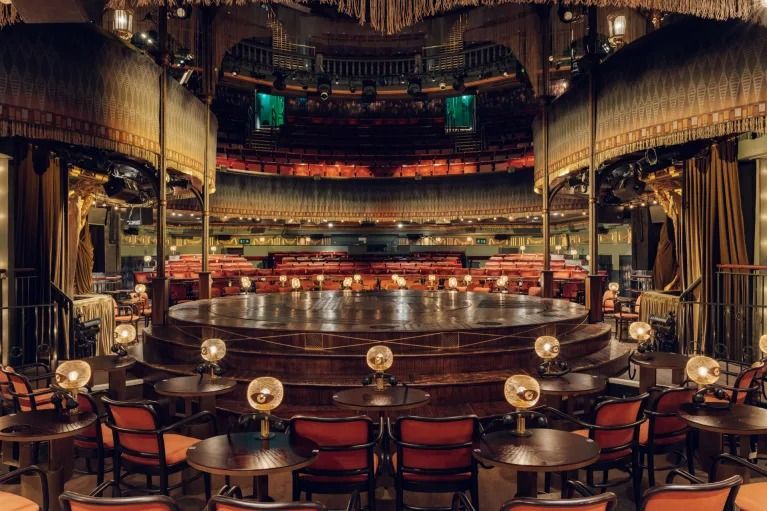
From musical-inspired glamour to concert-driven aesthetics, entertainment culture is once again influencing everyday dressing.
The Return of Fashion as Participation
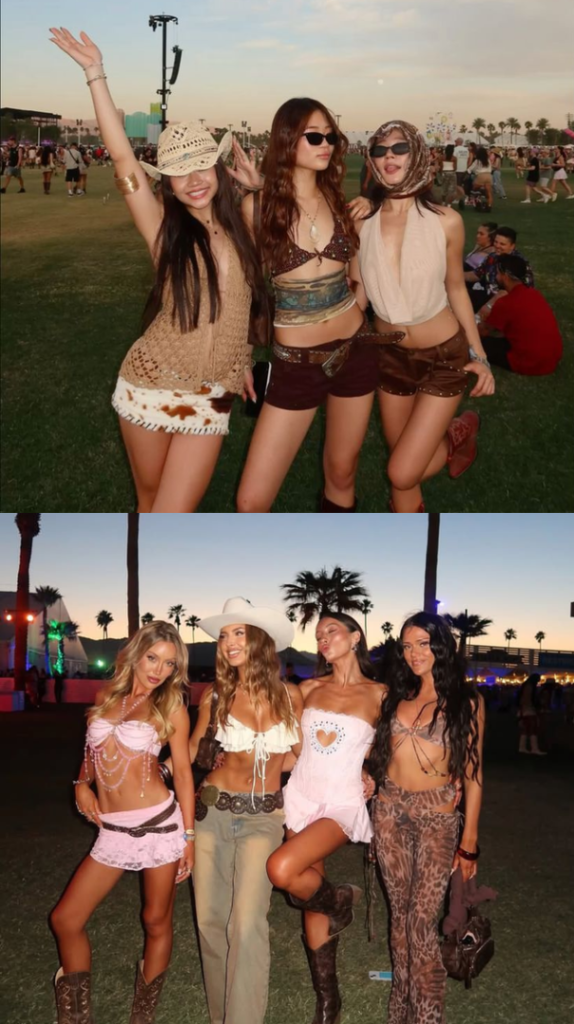
For a long time, event dressing became increasingly functional. Comfort replaced occasion, casualwear overtook formality, and many public experiences lost the sense of anticipation they once carried. But over the last few years, something has noticeably shifted. Consumers are dressing for concerts again. Theatre audiences are planning outfits around productions. Entire aesthetics now emerge from specific cultural experiences, from the glamour of West End musicals to the nostalgia-driven styling attached to pop tours and immersive performances. Fashion is no longer existing separately from entertainment culture. It is becoming part of the experience itself.
This evolution reflects a broader change in consumer psychology. In an era dominated by digital interaction and algorithm-driven content, live experiences have regained emotional significance. People increasingly crave atmosphere, immersion, and memorable forms of escapism. Clothing naturally becomes part of that emotional participation. Attending a performance is no longer simply about watching something unfold on stage. It is about entering a world temporarily and visually aligning with its mood, energy, or aesthetic language. Much like fashion weeks influence seasonal dressing, live entertainment now shapes how audiences present themselves socially.
The Rise of Experience-Led Aesthetics
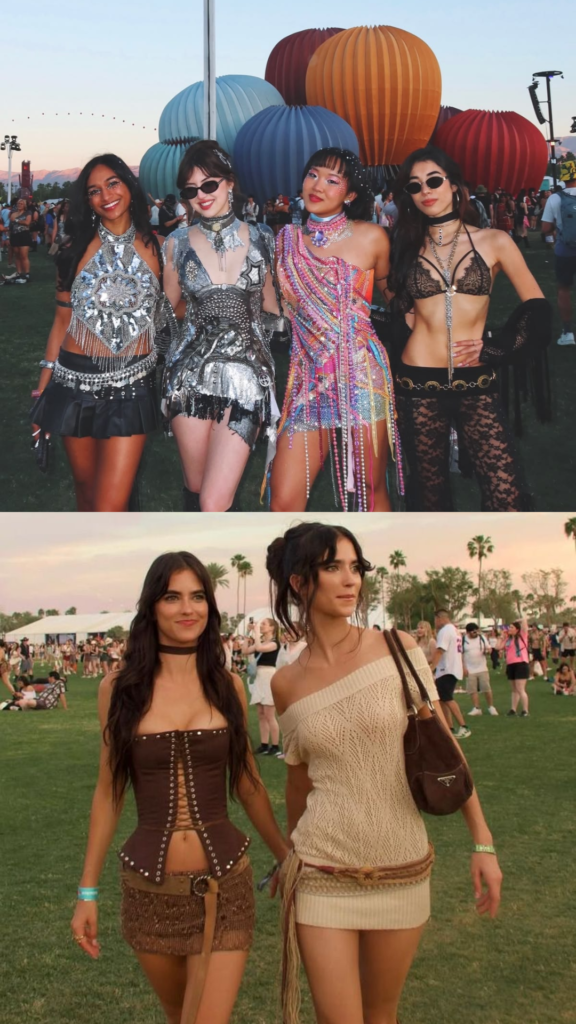
The influence of entertainment on fashion is hardly new, but its cultural impact feels particularly amplified today. Productions such as Moulin Rouge!, Cabaret, fantasy-driven theatre, revival concerts, and nostalgia-heavy performances have all contributed to a renewed appetite for expressive dressing. Audiences increasingly approach events as extensions of identity rather than isolated evenings out. The outfit becomes part of the memory itself.
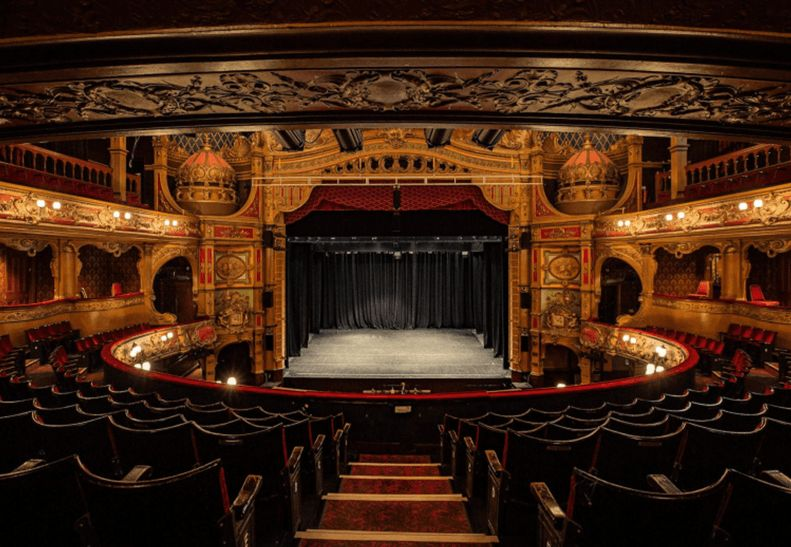
Social media has accelerated this behaviour further. Consumers no longer document only the performance; they document the full experience surrounding it. The restaurant before the show, the venue interiors, the styling choices, the atmosphere. This has transformed live entertainment into a visual lifestyle category closely tied to fashion, beauty, and aspirational culture. In many ways, attending a performance today resembles participating in a curated cultural ritual.
How ATG Tickets Sits at the Centre of Cultural Experience
Platforms like ATG Tickets have become increasingly relevant within this evolving cultural landscape because they operate at the intersection of entertainment, lifestyle, and experience-led consumption. With access to major West End productions, touring musicals, concerts, comedy performances, and immersive live events across the UK and Europe, the platform connects audiences to experiences that increasingly influence wider cultural aesthetics.
What distinguishes ATG particularly well is the breadth of genres and atmospheres available through the platform. From large-scale productions like Moulin Rouge! The Musical and Cabaret to concerts, comedy tours, and contemporary performances, the company reflects how diverse live entertainment culture has become. The brand’s emphasis on premium audience experience, hospitality, and accessible ticketing also aligns with growing consumer demand for experiences that feel immersive rather than transactional.
Fashion Is Becoming Emotional Again
The renewed relationship between entertainment and fashion ultimately reveals something deeper about modern consumers. People are increasingly searching for emotional texture in the experiences they choose, and fashion remains one of the most immediate ways individuals express emotional alignment with culture. Dressing for an event is no longer about strict formality or social obligation. It is about anticipation, immersion, and personal storytelling.
As live entertainment continues reclaiming cultural relevance, its influence on fashion will likely deepen further. Audiences no longer want to remain separate from the worlds they admire. They want to step inside them, even if only for an evening. And increasingly, personal style has become the first way they do exactly that.