
Exploring how music shapes fashion, turning personal expression, functionality, and discovery into a unique style language
The Stage as Wardrobe
Fashion has long walked hand in hand with music. From leather jackets and ripped denim to oversized hoodies and band tees, the garments worn by artists often set the tone for what audiences adopt on the street. Yet this relationship goes far beyond mere imitation or trend-following. Instruments, rehearsal spaces, studios, and long nights of practice subtly shape clothing choices, driving musicians to select pieces that are functional, comfortable, and expressive at the same time. Over time, these practical decisions accumulate meaning, evolving into personal style signatures. Musicians demonstrate that fashion is not simply decorative; it is performative, communicative, and intertwined with identity. In this sense, wardrobes become tools of self-expression, translating the energy of performance into visible, tangible style cues that ripple through creative communities.
Functional Looks with Character
Practicality often dictates musicians’ sartorial decisions, but necessity rarely undermines aesthetic impact. Jackets with deep pockets, breathable fabrics, sturdy footwear, and layered outfits all respond to the demands of performing, traveling, and rehearsing. Over time, these functional choices begin to define the aesthetic itself, producing a look that feels effortless, authentic, and lived-in. Clothing becomes expressive precisely because it shows traces of wear, movement, and personal adaptation. Just as a musical performance carries the marks of rehearsal, a wardrobe shaped by use conveys character and individuality. In contemporary fashion, this principle resonates beyond musicians, as more consumers value authenticity over perfection and longevity over fleeting novelty. A piece that appears intentional yet imperfect becomes a signature, a visual representation of taste, experience, and identity.
Reverb and the Tools Behind the Look
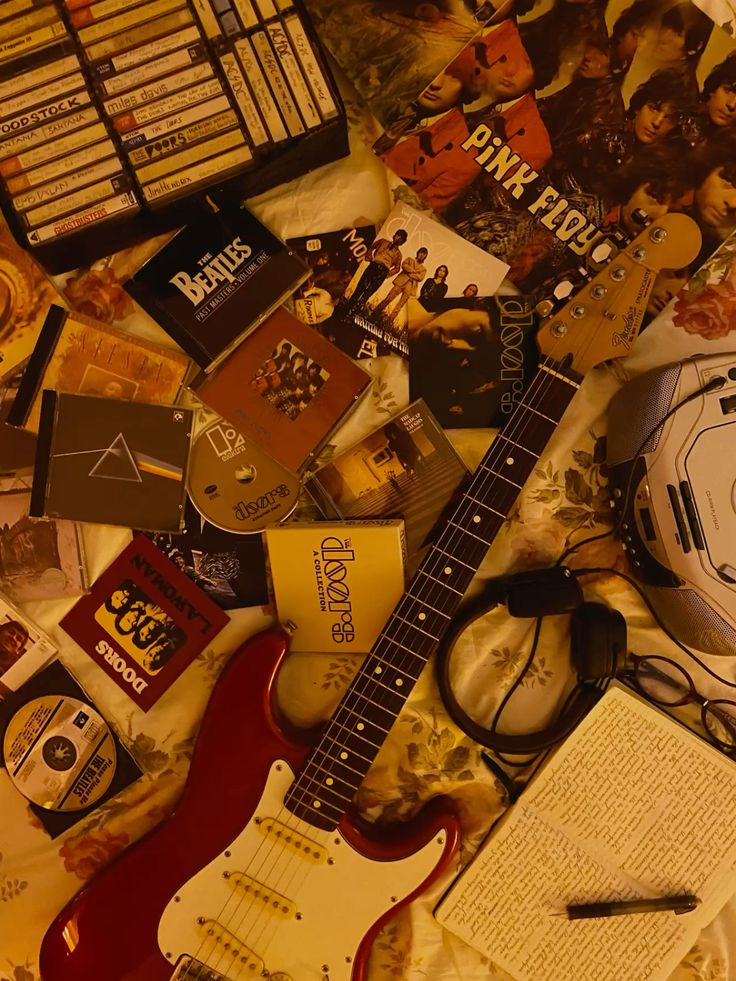
Reverb occupies a unique space where music and fashion intersect, sustaining the tools that help define personal style. By connecting musicians and enthusiasts to instruments and gear across generations, from vintage guitars and analog pedals to classic amplifiers, Reverb preserves both utility and character. These objects carry their own visual and tactile narrative, often mirroring the textured, imperfect qualities musicians seek in their wardrobes. Access to pre-owned, rare, or historically significant equipment allows artists and collectors to assemble looks that reflect both individuality and community belonging. Reverb’s marketplace goes beyond transactions, functioning as a living archive where cultural artifacts circulate, gain new life, and inform style. In doing so, it reinforces the idea that fashion, like music, is layered, intentional, and deeply tied to personal narrative and discovery.