
The Cultural Shift That Turned Style into a Shared Experience
When Fashion Stepped Off the Pedestal
For much of its history, fashion has been defined by distance. Runways, luxury houses, and elite spaces shaped trends that filtered slowly, often selectively, into everyday life. Style was aspirational precisely because it felt unattainable. Over time, however, this hierarchy began to soften. Digital media, fast trend cycles, and shifting consumer expectations transformed fashion into something more immediate and participatory. The idea of style evolved from rare moments of display to something practiced daily. In this landscape, fashion became less about who could afford exclusivity and more about how individuals interpreted trends within their own realities.
The Cultural Shift Toward Accessibility
The democratization of fashion reflects a broader cultural movement toward inclusion and visibility. Consumers today expect to participate in trends rather than observe them from a distance. Clothing is no longer valued solely for prestige, but for relevance, comfort, and adaptability to real life. This shift has blurred the lines between high fashion and mass style, allowing trends to circulate widely and rapidly. Accessibility does not diminish fashion’s cultural power; instead, it expands it. When style becomes attainable, it becomes expressive, allowing people across demographics to engage with fashion as a form of identity rather than aspiration alone.
Target and the Architecture of Everyday Style
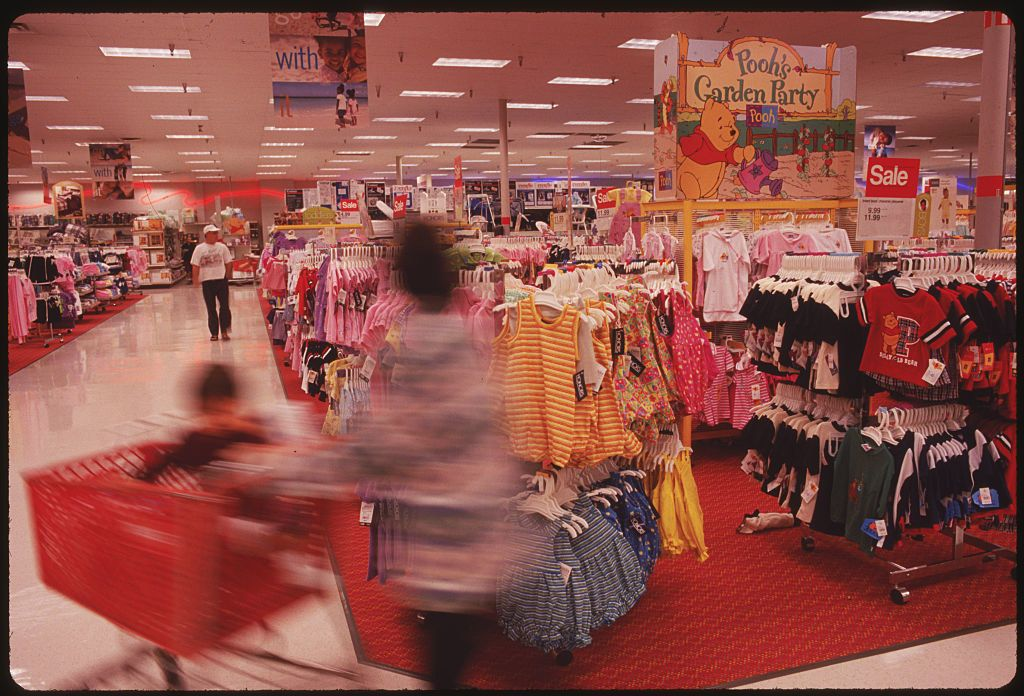
Target plays a significant role in this transformation by positioning fashion as something both current and accessible. Through its in-house apparel lines, seasonal collections, and notable designer collaborations, the brand translates trend-driven aesthetics into wearable, affordable forms. Reviews frequently point to Target’s ability to balance style with practicality, offering clothing that feels contemporary without being intimidating. Unlike luxury retailers, Target does not rely on exclusivity to signal taste. Instead, it curates fashion for daily routines, making style part of ordinary life. By doing so, Target reinforces the idea that fashion belongs in everyday spaces, not just elite ones.
A More Inclusive Fashion Landscape
Target’s role in democratizing style highlights a future where fashion is defined less by status and more by participation. As access expands, fashion becomes a shared cultural language rather than a closed system. This shift allows individuals to engage with trends on their own terms, shaping identity through choice rather than limitation. In making fashion visible and wearable for the many, not the few, Target contributes to a more inclusive understanding of style. Fashion, in this form, is no longer about entry barriers but about everyday expression, woven seamlessly into the rhythms of daily life.