


Reading gender, design, and power through the evolution of sportswear
Clothing That Learned to Separate
From its earliest forms, sportswear was designed with assumptions embedded into its seams. Athletic clothing was not simply about enabling movement but about defining who was allowed to move and how. Men’s sportswear favored structure, endurance, and uniformity, often projecting strength and seriousness. Women’s sportswear, on the other hand, carried an added burden of visual appeal, shaped by cultural expectations rather than athletic need. These differences extended beyond color or fit into fabric choices, silhouettes, and functionality. Sportswear thus became a silent instructor, teaching wearers what kind of body was ideal and what kind of performance was valued.
When Performance Challenged Aesthetics
As women’s participation in competitive and recreational sports expanded, the limitations of gendered design became increasingly visible. Athletes demanded clothing that responded to real movement, not symbolic femininity. This pressure reshaped sports fashion, pushing brands toward breathable materials, adaptable fits, and activity-specific construction across all genders. At the same time, broader fashion conversations around gender expression began influencing athletic wear. Sportswear started moving away from rigid binaries, allowing functionality to take precedence over prescribed appearance. What emerged was not uniformity, but intention, where design choices reflected lived experience rather than tradition.
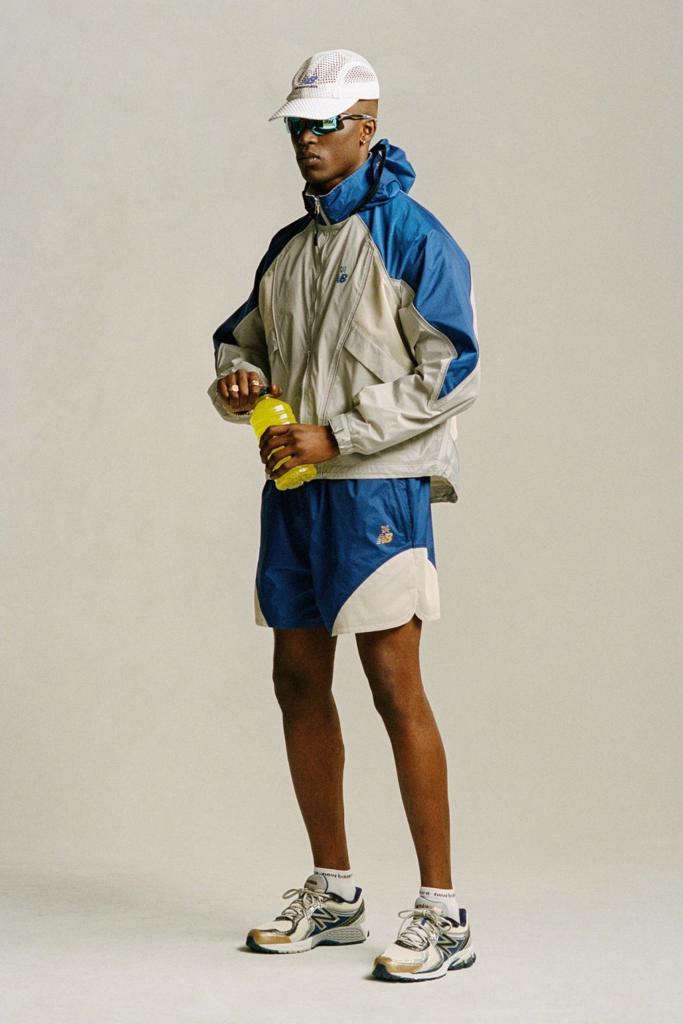
Dick’s Sporting Goods and the Retail Translation of Gender
Dick’s Sporting Goods operates at the intersection of design evolution and consumer access. Its expansive men’s and women’s sections illustrate both continuity and change within sports fashion. The company’s product range highlights how differences in fit and function are addressed without relying solely on outdated visual cues. Reviews often point to the clarity of categorization and the breadth of options across training, outdoor, and seasonal apparel. Through curated guides and brand comparisons, Dick’s allows consumers to engage with gendered sportswear as a matter of comfort and purpose rather than expectation. In doing so, it reflects how evolving design philosophies reach everyday wardrobes

Redefining Strength Through Wearability
In the contemporary fashion landscape, gendered sportswear is no longer about separation alone. It is about responsiveness, adaptability, and respect for the body in motion. Dick’s Sporting Goods plays a subtle but meaningful role in this shift by normalizing performance-first design across genders. The company’s presence reinforces the idea that athletic clothing should serve movement before symbolism. As sports fashion continues to evolve, it moves closer to a future where identity is supported rather than restricted by what we wear, and where clothing adapts to bodies rather than asking bodies to adapt to clothing.