
East Asian fashion aesthetics and their quiet reshaping of global wardrobes
A New Direction in Fashion Influence
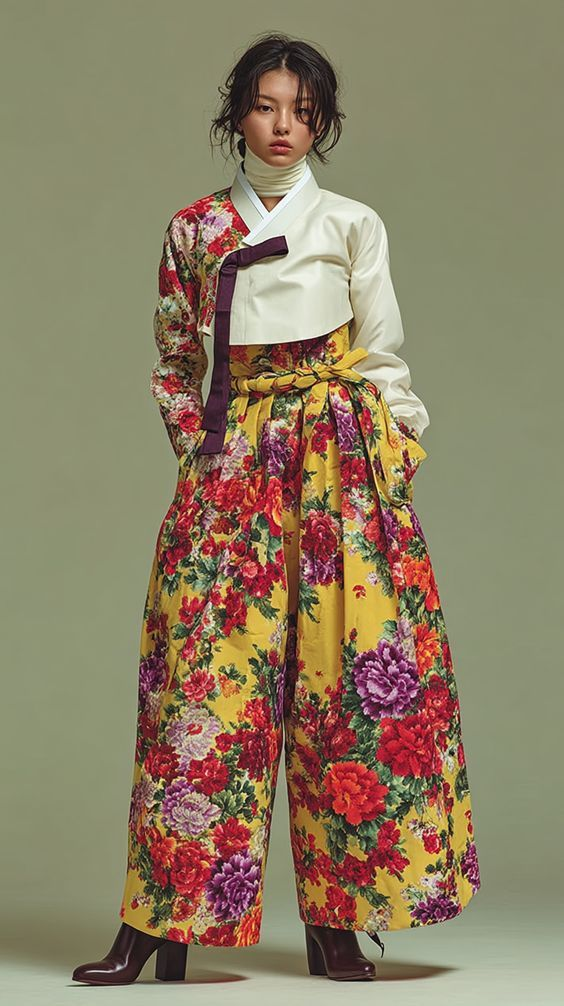
For much of modern fashion history, style authority followed a familiar route. Trends emerged from a handful of Western capitals and gradually filtered outward, shaping what was considered fashionable elsewhere. In recent years, this direction has quietly but decisively shifted. East Asian fashion cultures have moved from the margins to the reference point, influencing how clothing is styled, layered, and understood worldwide. Rather than relying on spectacle or seasonal dominance, these aesthetics emphasize mood, proportion, and subtle coordination. This shift signals a broader transformation in fashion, where influence is no longer imposed but absorbed, reshaping global wardrobes through everyday wear rather than dramatic statements.
The Language of Soft Power in Clothing
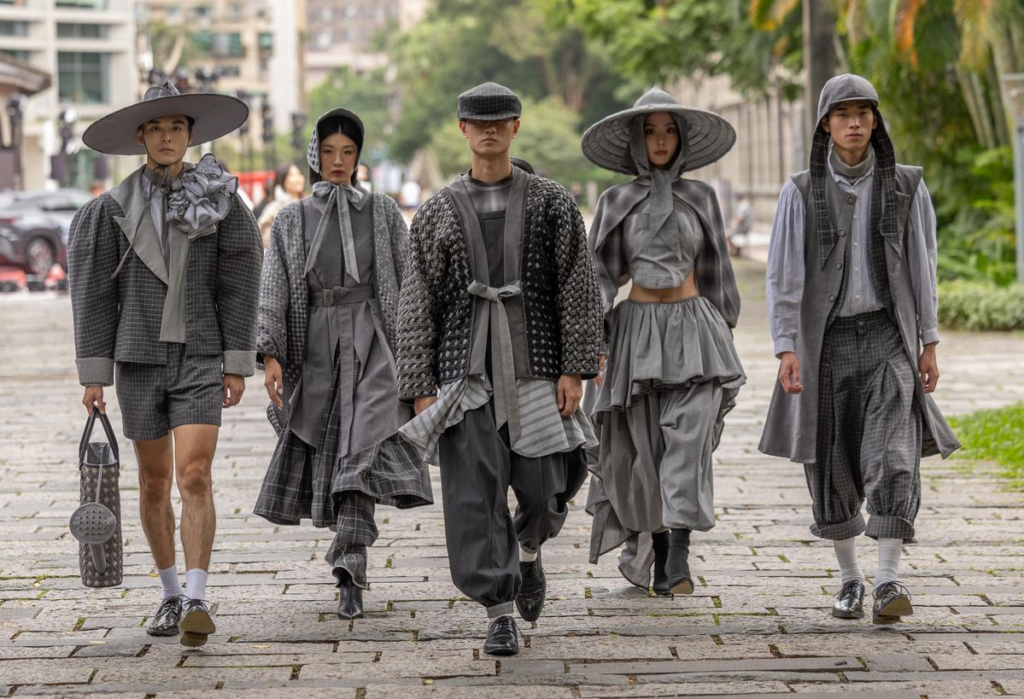
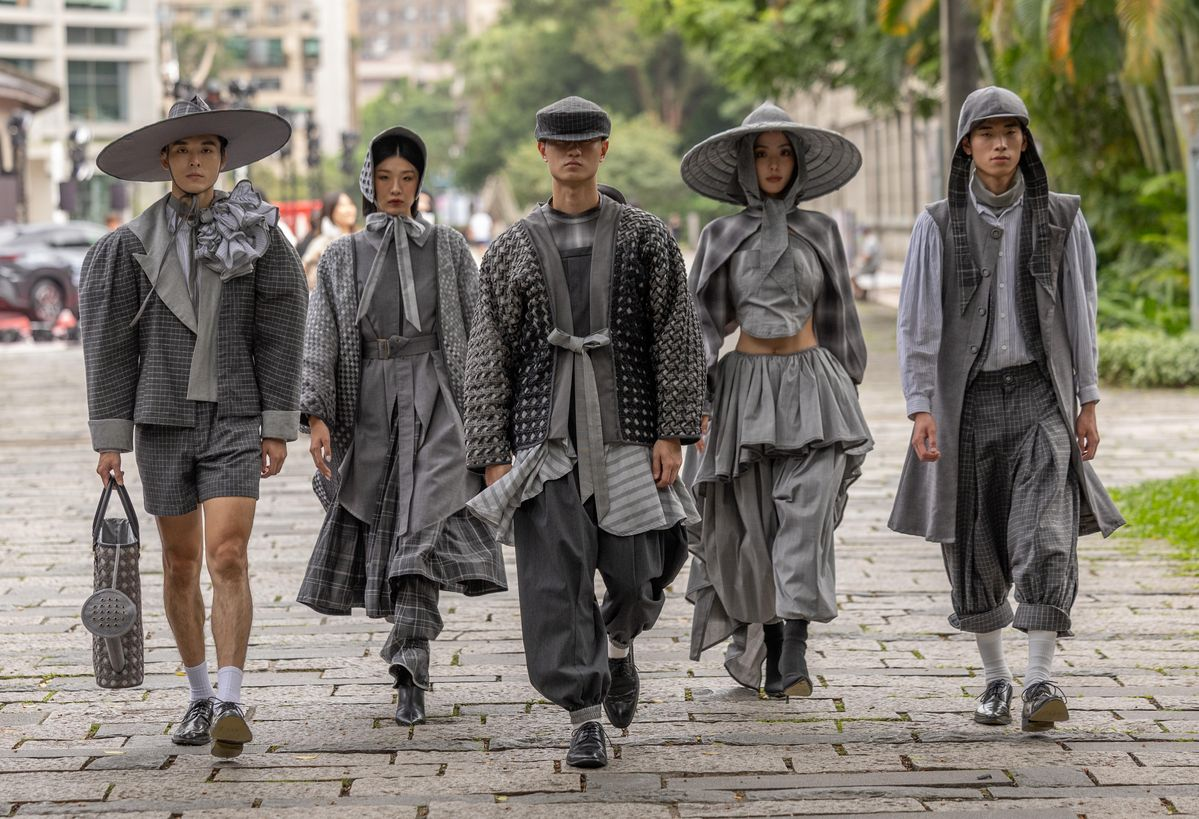
East Asian fashion speaks through nuance. Oversized silhouettes balanced with structure, restrained color palettes punctuated by detail, and playful experimentation with texture create looks that feel expressive without excess. These aesthetics travel through music, television, digital platforms, and street culture, embedding themselves into global fashion consciousness. Their influence operates gradually, allowing wearers to adapt elements rather than replicate entire looks. This flexibility makes East Asian fashion particularly resonant across cultures. It invites participation without erasing individuality, positioning fashion as a shared visual language rather than a fixed set of rules dictated from a single center.
YesStyle and the Global Circulation of East Asian Style
YesStyle plays a central role in translating East Asian fashion aesthetics for a global audience. By curating clothing and beauty products rooted in Korean, Japanese, and Chinese style cultures, the platform functions as a conduit between regional design sensibilities and international consumers. Reviews frequently highlight its trend responsiveness, range, and accessibility, underscoring its appeal to audiences seeking emerging styles rather than established Western trends. YesStyle’s emphasis on styling, layering, and coordinated looks reinforces the idea that fashion is constructed through combination rather than singular pieces. In comparison to Western fast-fashion platforms, its strength lies in cultural specificity, allowing global consumers to engage with East Asian aesthetics without flattening their distinctiveness.
A World Styled by Multiple Centers
YesStyle reflects a fashion landscape no longer defined by one dominant point of reference. Its success illustrates how regional aesthetics can shape global style without seeking validation from traditional fashion authorities. As East Asian fashion continues to inform everyday dressing across continents, platforms like YesStyle help normalize a more distributed model of influence. In this world, fashion moves through exchange rather than imitation, shaped by multiple voices and visual traditions. The result is a global style culture that feels more fluid, inclusive, and reflective of the interconnected ways people now dress, discover, and define fashion.