
Circular fashion and the quiet return of clothing, objects, and meaning
Fashion Choosing Continuity Over Novelty
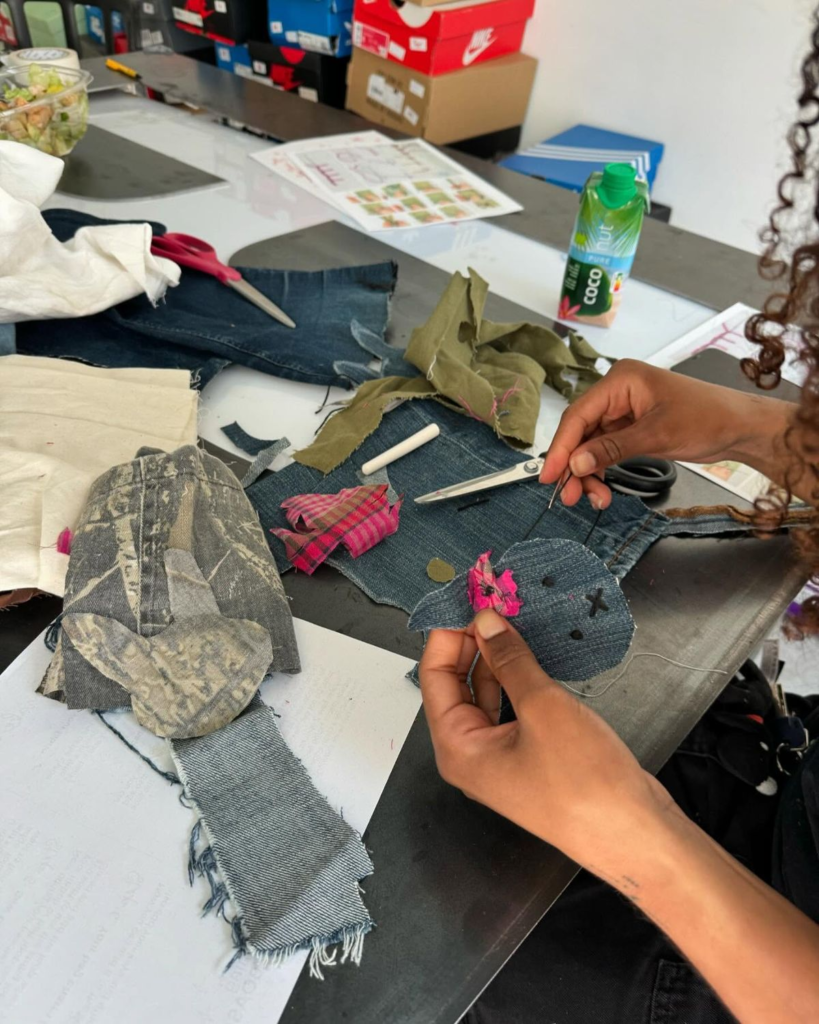
Fashion has long been driven by the promise of the new, rewarding constant replacement and rapid change. Yet beneath this surface, another logic has always existed. Garments circulate, return, and reappear, carrying traces of previous ownership and use. Circular fashion draws attention to this overlooked rhythm, where value is not exhausted after one life. Instead of viewing wear as decline, circularity reframes it as accumulation. Texture, patina, and repetition become part of a garment’s aesthetic story. In this framework, fashion is no longer defined by arrival alone, but by endurance, memory, and continued relevance.
The Aesthetics of Reuse
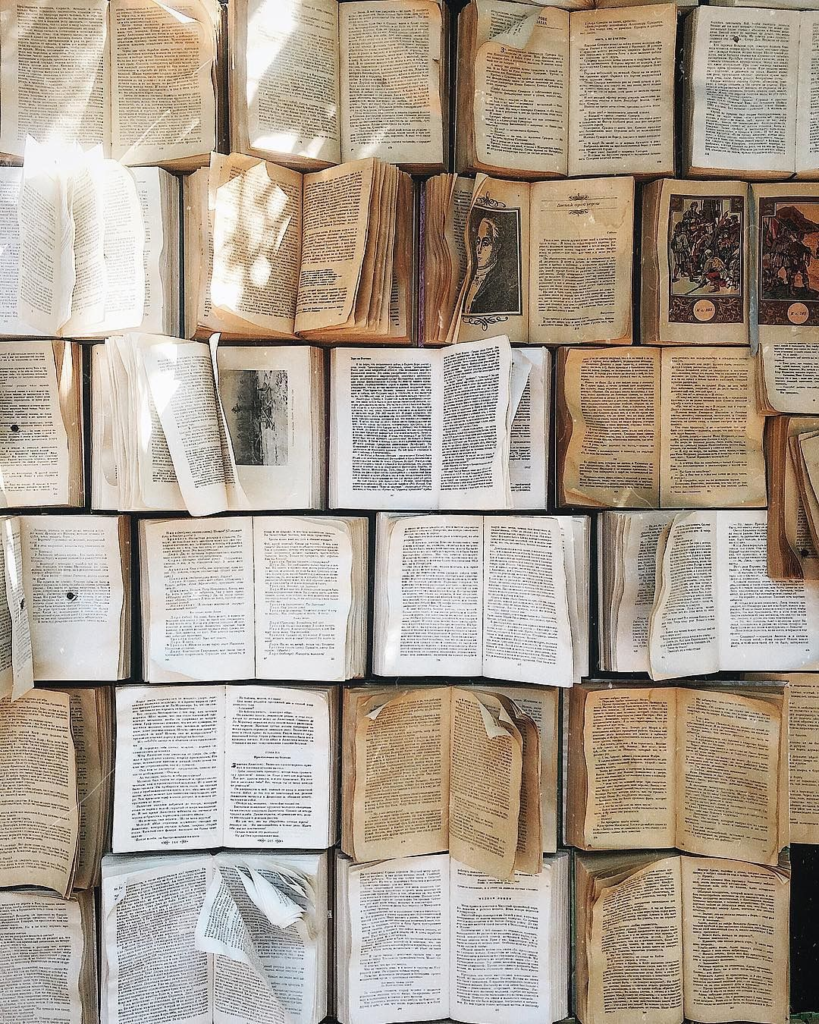
Circular fashion challenges traditional ideas of perfection. Secondhand pieces rarely arrive untouched, yet their appeal lies precisely in that difference. Subtle variations, softened fabrics, and visible history distinguish reused items from mass-produced uniformity. This shift alters how fashion is evaluated. Rather than prioritizing pristine condition, attention moves toward longevity and adaptability. Styling becomes an act of reinterpretation rather than consumption. Circularity thus introduces a slower, more reflective relationship with fashion, where clothing is valued not for novelty but for its ability to move through time and context without losing meaning.
Medimops and the Architecture of Circulation
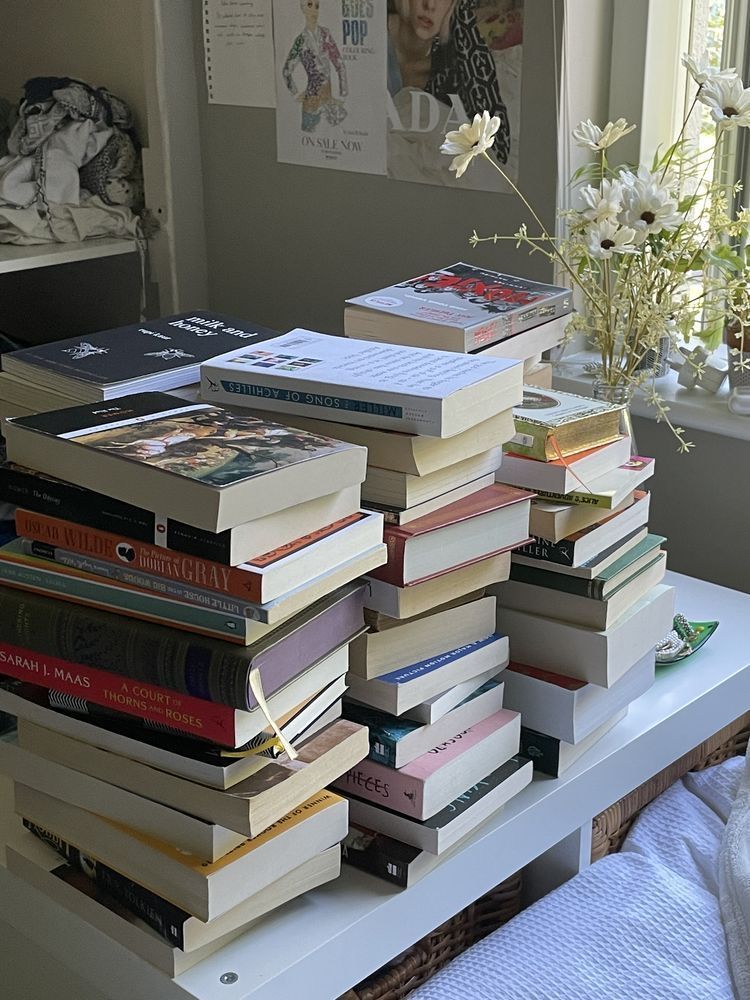
Medimops operates within this evolving fashion logic by facilitating large-scale circulation of pre-owned goods. Known primarily for secondhand books, media, and lifestyle products, the platform also participates in a broader culture of reuse that mirrors circular fashion principles. Customer reviews often emphasize reliability, quality control, and accessibility, reinforcing trust in secondhand consumption. By organizing, grading, and redistributing used items, medimops transforms reuse into a structured experience rather than an improvised one. In comparison to informal resale spaces, the platform offers consistency without stripping items of their history. Its role lies not in creating fashion, but in sustaining it through movement and redistribution.
A Future Worn More Than Once
As fashion continues to grapple with excess and acceleration, circular models offer an alternative grounded in continuity rather than replacement. medimops represents this shift by normalizing reuse as an everyday practice rather than a niche choice. Its presence supports a fashion culture where value is extended, not erased, through use. Circular fashion does not reject style or desire. Instead, it reframes them, suggesting that what lasts may ultimately matter more than what arrives first. In choosing circulation over disposal, fashion learns to exist across lives, carrying meaning forward rather than leaving it behind.